Why Nas’s “Ether” Hit So Hard
A diss record that became a verb
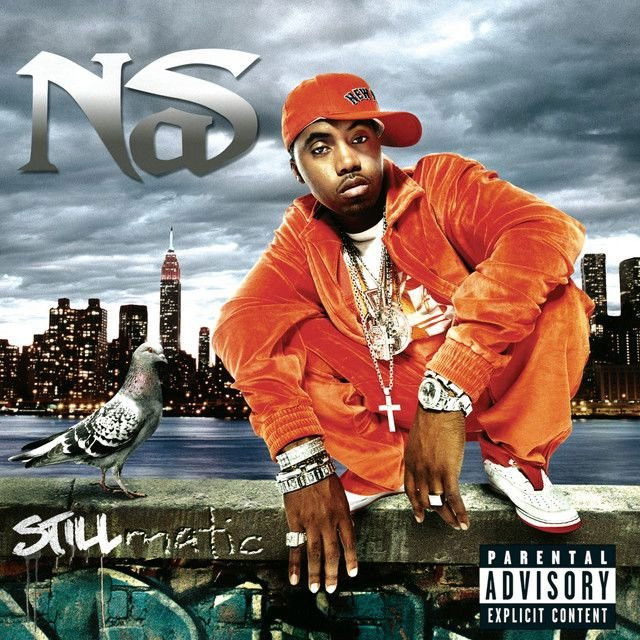
The meaning of Ether Nas starts with conflict. “Ether” is Nas’s 2001 answer to Jay-Z’s “Takeover,” released on Stillmatic during one of rap’s most famous feuds. Factually, the track came out on December 4, 2001, was written by Nasir Jones and Rondell Turner, and was produced by Ron Browz. It later became so influential that “ether” turned into hip-hop slang for totally humiliating an opponent.
"Ether" - Nas
What's up niggas, hey yo, I know you ain't talking 'bout me dog
You, what?
Loading lyrics...
Unable to load lyrics
We're unable to display the lyrics at this time. Please try again later.
What makes the song matter is not only who won the battle. It is how Nas turns a rap response into a total character attack. They do not just argue that Jay-Z was wrong. They try to strip away his image, his cool, and his authority.
Watch the official Ether
music video
What the song is really about
At its core, “Ether” is about reputation. Nas presents himself as a wounded but still rightful king, then uses the song to take back ground he feels was stolen. Early on, they position the battle as personal, professional, and symbolic at once.
The hook gives away the strategy. With fuck with your soul like ether
, Nas frames the record as something corrosive. The target is not just career standing; it is the inner self. Right after that, I prove you lost already
pushes the idea that the battle is decided before the song is even over. That confidence is part of the weapon.
Interpretation: The song’s deeper point is that rap supremacy depends on authenticity. Nas argues that if an artist’s persona is borrowed, then their power is hollow too.
How the verses build that attack
Image, status, and borrowed identity
A big part of the record is devoted to tearing down Jay-Z’s public identity. Nas repeatedly suggests that his rival copies styles, follows trends, and attaches himself to stronger figures. When they call him a fan, a phony, a fake
, the insult is not random. It supports the song’s central claim: Jay-Z is presented as manufactured rather than original.
Nas also flips hierarchy in clever ways. Instead of treating Jay-Z like an equal rival, they sometimes talk down to him like a disappointed elder. That mocking fatherly pose makes the attack sting more, because it turns competition into condescension.
A comeback narrative inside the battle
Another theme is survival. Nas says he was counted out, mocked, and left behind, then uses the song to reassert himself. In that sense, “Ether” is not only a diss. It is a comeback statement.
That context matters. Stillmatic is widely seen as a return to form after a rougher stretch in Nas’s career. “Ether” helped lead that recovery, and many fans still hear it as the moment he grabbed the conversation back.
The chorus turns anger into myth
The refrain is simple, but it does heavy lifting. Nas uses God’s Son
as part of his self-mythology, placing himself above ordinary rap competition. The repeated hook makes the attack feel ritualistic, almost like a curse.
Fuck with your soul like etherTeach you the kingI prove you lost already
This is the article’s only multi-line quote because the hook is where the whole record crystallizes. It condenses three ideas: domination, kingship, and pre-declared victory. Even when the verses get messy or wildly personal, the chorus keeps bringing the song back to power.
Why the production matters
Ron Browz’s beat is a huge reason the song lands. The instrumental is tense, hard, and slightly eerie, which fits the title’s idea of something toxic in the air. The drums hit with enough force to support battle rap, but the synth tone has a sinister edge that makes the record feel unstable.
That mood matters because Nas raps with sharp pauses, sneers, and bursts of contempt. They do not sound calm or clinical. They sound offended, amused, and ready to punish. The production gives that performance room to breathe.
Interpretation: A more polished beat might have softened the record. Browz’s rough, aggressive sound helps “Ether” feel like a street verdict instead of a studio exercise.
Why listeners called it a classic
Part of the song’s legacy comes from impact. Critics, rappers, and fans have long treated it as one of the great diss tracks. Jadakiss once praised everything from the production to the way Nas structured the attack, and even people on Jay-Z’s side admitted the record hit hard. That reaction helps explain why the song outlived the feud itself.
Just as important, “Ether” is not a careful legal brief. It is an emotional demolition job. Some lines are factual references, while others are obvious battle exaggeration. That imbalance is the point. Nas is not trying to be fair; they are trying to overwhelm.
The limits of the song
It is also important to say that some of the track’s language has aged badly. Several insults rely on homophobic slurs and gendered mockery. Those choices were common in some battle rap spaces at the time, but they still narrow the song’s artistry in places.
That does not erase its force, but it does shape how modern listeners hear it. The best reading holds both truths: “Ether” is historically major, and parts of it are ugly in ways that should not be brushed aside.
Final takeaway on the meaning of Ether Nas
The meaning of Ether Nas is bigger than one rap feud. The song is about reclaiming status by destroying a rival’s image piece by piece. Through mocking tone, theatrical confidence, and a dark beat, Nas turns insult into mythology.
In the end, “Ether” lasts because it feels less like a reply and more like a public stripping of aura. Interpretation: Whether every charge lands is almost beside the point. The song’s real victory is making listeners feel that the crown has shifted.
Disclaimer: This article offers a critical interpretation of the song’s themes and cultural context. Some meanings are necessarily interpretive rather than confirmed artist intent.








