Undying Love by Nas
The meaning of Undying Love Nas centers on a brutal idea: love that turns possessive, wounded, and destructive. On the surface, the song plays like a crime story. Under that, it is about how betrayal, pride, and shock can push a narrator from heartbreak into irreversible violence.
"Undying Love" - Nas
Uh..
Pacino life, G a roll, casino dice
Loading lyrics...
Unable to load lyrics
We're unable to display the lyrics at this time. Please try again later.
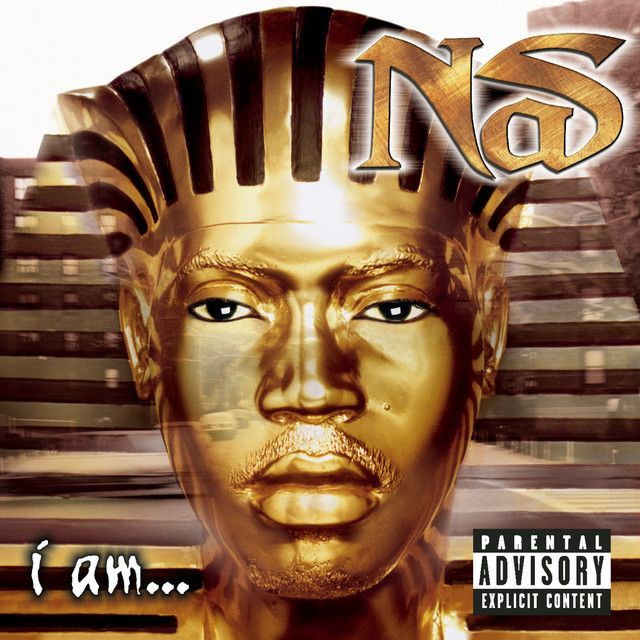
“Undying Love” appears on I Am..., released in 1999, during a period when Nas was leaning hard into cinematic storytelling and reflective street writing. The track is credited to Nasir Jones and Leshan Lewis, with production commonly credited to L.E.S. That matters, because the song is built less like a club record and more like a short film in rap form.
A Love Story That Becomes a Tragedy
At the start, Nas places the narrator in a flashy world of travel, money, and distance. They come home from Las Vegas and expect normal life to resume. Instead, they walk into signs that something is wrong: drinks left out, clothing on the floor, and voices upstairs. The details make the scene feel immediate, not abstract.
When the narrator finds their partner with another man, the song shifts from suspicion to emotional collapse. Rather than explode on the spot, they leave, call a friend, grab a gun, and come back with a plan. That choice is crucial to the song’s meaning. The pain is real, but the revenge is also deliberate.
Interpretation: Nas is not celebrating the violence here. They are showing how fast wounded love can become twisted into ownership and punishment. The title sounds romantic, but the story keeps asking what “undying” means when love survives only as obsession.

Watch the official Undying Love
music video
The Chorus Changes the Whole Song
The sung hook is simple and wounded. Phrases like I thought you loved me
and Did you believe in me?
turn the track from a crime tale into a grief spiral. The narrator is not just angry; they feel fooled, humiliated, and emotionally abandoned.
That matters because the chorus frames the shooting not as random rage but as the result of a shattered self-image. The narrator thought the relationship gave life meaning. Once that belief breaks, they cannot process the loss in any healthy way.
I thought you loved me
I thought you cared for me
Those lines are brief, but they explain the emotional engine of the entire song. The narrator keeps returning to the same stunned question: how could intimacy become betrayal so quickly?
How the Plot Unfolds Like a Movie
One reason the song is so memorable is its structure. Nas tells it step by step, almost like scenes in a screenplay:
- The narrator returns from Vegas to New York.
- They notice clues in the house and realize their partner is cheating.
- They leave, call Horse, and decide on revenge.
- The confrontation goes wrong, and the partner dies
by mistake
. - Police surround the house, and the narrator chooses death.
That final turn is what gives the song its title. In the last moments, the narrator places a ring on the dead woman’s finger and says, Now unto God, we elope
. It is one of the darkest lines in Nas’s catalog. Love becomes inseparable from death, control, guilt, and fantasy.
Jealousy, Pride, and Possession
The core theme is not healthy devotion. It is possessive love. The narrator feels betrayed, but they also act as if the partner’s betrayal erases her right to live. That is an ugly emotional truth, and Nas does not soften it.
Interpretation: The song can be heard as a warning about masculine pride. The narrator is wounded not only as a lover but as a man whose status has been damaged. The expensive ring, the surprise proposal, and the need to involve a friend all point to ego as much as heartbreak.
There is also irony in the title. “Undying love” usually suggests eternal romance. Here, it becomes a nightmare version of forever. The narrator cannot let love die naturally, so they force it into a final, deadly image.
Why the Sound Feels So Heavy
The production helps carry this meaning. Instead of bright celebration, the beat feels slow, shadowy, and tense. The instrumental leaves room for Nas’s voice to do most of the work. Their delivery is controlled at first, then more drained and haunted as the song moves toward the standoff.
That restraint is important. A louder or faster beat might have made the story feel exploitative. Here, the music stays eerie and mournful. It gives the sense of someone replaying a disaster in real time.
Nas often built songs through vivid detail, and this track is one of the strongest examples of that method. The house clues, the drive through New York, the police lights, and the final prayer all create a layered atmosphere. Even without a video, listeners can picture every room.
Artist Context Matters Here
By 1999, Nas had already proven they could write street narratives and reflective confessionals. “Undying Love” sits in that tradition of cinematic storytelling that also shaped songs across their early catalog. Reviews of I Am... were mixed overall, but this track has often stood out among fans because of how completely it commits to its narrative.
It also fits a late-1990s rap style that treated songs like mini-films. Nas was especially skilled at making internal emotion feel visual. In “Undying Love,” the storytelling is not just about what happened; it is about how a shattered mind organizes memory.
So What Is the Song Really Saying?
The best answer to the meaning of Undying Love Nas is this: it is a tragedy about love corrupted by betrayal and possession. The song does not present romance as saving or pure. It presents a narrator who confuses devotion with control, then destroys everything in the name of hurt.
That is why the ending lingers. It is not merely shocking. It is pathetic, sad, and self-made. The narrator wants love to survive, but only knows how to preserve it through violence and fantasy.
Final takeaway
“Undying Love” works because Nas makes emotional ruin feel painfully human without making it admirable. The song is gripping as storytelling, but its deeper meaning lies in how it exposes jealousy and wounded pride as forces that can turn love into something fatal.
Disclaimer: This interpretation is based on the lyrics, performance, and available song context. As with many narrative rap songs, listeners may hear different meanings in the same scenes.








