The Meaning Behind NAV’s 'Brown Boy'
They don’t have to know NAV to feel this song. Brown Boy sketches a jealous onlooker circling a superstar’s life, turning hate into obsession and, strangely, motivation. For listeners searching the meaning of Brown Boy NAV, the track doubles as a character study and a mirror for modern fandom.
"Brown Boy" - NAV
Seen him in the club with nothin' but pretty tings
Probably think I'm a weirdo, can't stop starin' at his rings (woo)
Loading lyrics...
Unable to load lyrics
We're unable to display the lyrics at this time. Please try again later.
A Portrait of Envy That Can’t Look Away
Brown Boy is told from a first‑person hater’s view. They watch the artist’s shine and spiral into resentment, then curiosity, then need. When the narrator admits they’re starting to hate
, they’re really confessing insecurity. The chorus keeps pointing to NAV’s status—selling out, trophies, attention—which inflames the speaker’s jealousy and keeps them hooked.
Interpretation: The song satirizes clout culture. It shows how success stories get distorted by people who want the rewards without the grind. The repeated fixation on shows, plaques, and cars turns lifestyle markers into symbols of craving.

Watch the official Brown Boy
music video
Who’s Talking, and Why It Matters
The voice sounds like a neighbor or old classmate who keeps tabs from the sidelines. Lines about street noise and proximity—engine roaring up the block
and think I live around the corner
—plant the character in NAV’s orbit but outside the gate. They gossip about relationships, old high school memories, and industry friends, projecting their own insecurity onto NAV.
Interpretation: The narrator could be a composite of online haters. Their boasts and complaints read like comment-section posts—emotional, petty, yet fascinated. That tension makes the hook stick.
What Actually Happens: A Quick Timeline
- They watch NAV flex in public spaces and study the details (jewelry, car, club aura).
- They chase the lifestyle, then retreat, hating what they can’t have.
- They romanticize his work ethic—
get up and grind
—and question school, jobs, and their own path. - They compare homes and status, stewing in envy.
- Finally, the music becomes a crutch: it
feel like drugs
, a hit they can’t quit.
The arc moves from distant envy to intimate dependence. That turn is the song’s core: hate is a mask for longing.
Why the Chorus Cuts Deep
The hook circles the same pressure points—attention, sales, influence—especially the idea that NAV can sell out shows
. Interpretation: The chorus is a funhouse mirror. It reflects how haters center a star in their inner life. Every brag they despise becomes proof of the star’s power and their own stuckness.
Symbols and Motifs You Might Miss
- Rings and cars: Status IDs that embody success and trigger the narrator’s insecurity.
- Engine noise: A sonic calling card of arrival; the star is near, but out of reach.
- Plaques and shows: Institutional validation that the narrator obsesses over.
- “Different dimension”: Hyperbole that turns NAV into a mythic figure—part hero, part threat.
Interpretation: These props aren’t just flexes; they’re measuring sticks. The narrator keeps holding them up against their own life and coming up short.
How the Sound Sells the Story
Production leans on trap drums, sub-bass, and glossy, slightly eerie synth pads. The pocket is steady and hypnotic, letting the vocal feel like a looped inner monologue. Ad‑libs puncture the mix to mimic the hater’s intrusive thoughts. NAV’s deadpan phrasing keeps it cool on the surface while sub-bass pressure hints at the narrator’s boiling feelings.
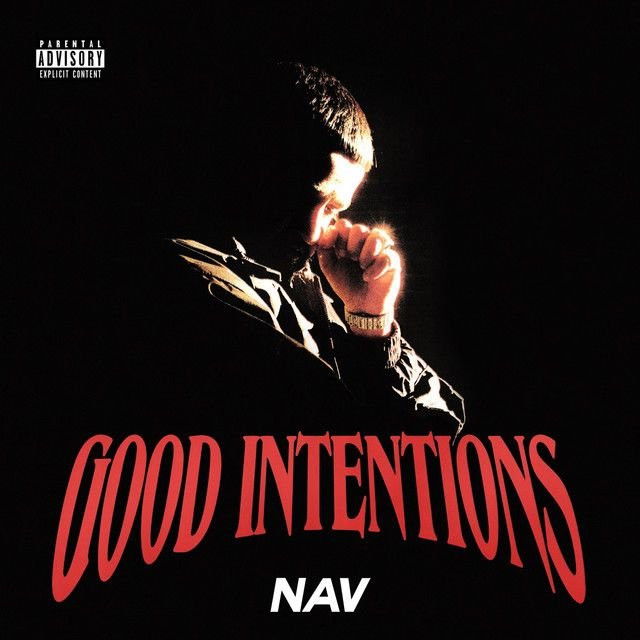
Context helps: NAV, a Punjabi-Canadian artist from Toronto’s Rexdale, is also publicly known as “Brown Boy.” He’s signed to XO/Republic and has scored multiple Billboard 200 No. 1 projects, including Bad Habits (2019) and Good Intentions (2020). Those real-world wins shadow the chorus’ fixation on shows and plaques, making the character’s envy feel grounded rather than cartoonish.
Identity, Branding, and Self-Myth
NAV has embraced “Brown Boy” as a nickname and brand across releases (including the Brown Boy 2 deluxe era). Interpretation: Here, “Brown Boy” works like an alter ego the narrator can project onto—NAV-as-symbol rather than NAV-as-person. It also nods to South Asian visibility in North American rap, where success can carry extra baggage: visibility invites scrutiny, and scrutiny breeds envy.
Two Plausible Readings
- Outer Hater: It’s mainly an outside voice. NAV writes in character to expose how envy spirals into dependence. Evidence: the neighbor talk, the gossip, the fixation on surface details.
- Inner Critic: NAV could be ventriloquizing his own doubts. The narrator admires the grind yet resents the cost, like an internal tug-of-war between ambition and fatigue.
Both readings land because the voice loves what it claims to hate. That paradox is the track’s engine.
The Takeaway
The meaning of Brown Boy NAV centers on envy turning into fuel. The narrator’s obsession shows how fame, identity, and hustle can warp in the eyes of onlookers. By the end, the hater is a fan against their will—proof that success’s loudest critics are often its most faithful audience.
Disclaimer: Song interpretations are subjective and reflect one informed reading of the lyrics and context.








