
Why 'War of Man' Feels Bigger Than Protest
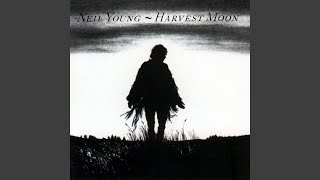
The meaning of War of Man Neil Young starts with a blunt idea: human violence does not stay on the battlefield. In this song, its damage spreads outward into nature, family, memory, and the future. Neil Young wrote the track for Harvest Moon, his 1992 album, a record released as a companion of sorts to the earlier rural warmth of Harvest and known for its reflective tone.
"War of Man" - Neil Young
Back to the nest just like the days of old
There in the safety of a mother's arms
Loading lyrics...
Unable to load lyrics
We're unable to display the lyrics at this time. Please try again later.
Even without loud sermonizing, the song feels like a warning. They present war not as glory, but as a habit of destruction that touches everything alive.
The Song's Central Message Is Simple and Harsh
At the center of the song is the repeated line No one wins
. That phrase gives the whole lyric its moral frame. Before and after the vivid images, the chorus keeps returning to the same conclusion: this is not a contest with heroes and trophies, but a cycle of loss.
Interpretation: the title points to more than one literal war. It suggests a human-made condition, a way of living built on domination, fear, and technology without conscience. The phrase war of man
sounds bigger than one event. It feels like a diagnosis.
That broad meaning matters because the verses move between soldiers, animals, poison, and children. The song’s point is that all of these belong to the same broken system.
Watch the official War of Man
music video
From Nest to Battlefield to Poisoned Ground
The opening image is protective and ancient. Small creatures return from the cold to a nest and to the safety of a mother’s arms. The scene suggests instinct, shelter, and an older order of life. Young sets up a world where care is natural before he shows how human conflict breaks it.
Then the song shifts to combat. A fighter with ringing ears and battle fatigue tries to aim higher, but the choices around him are still framed by violence. The lyric contrasts birds and healing with weapons and a barrel flash. In other words, life and death sit side by side.
Later, the imagery expands into migration and escape. Animals move two by two
, a phrase that can hint at survival, continuity, and even a Biblical flood image without stating it outright. But that survival is fragile. On the frozen delta, a father-animal runs while poison, gas, and machines close in.
This is where the meaning of War of Man Neil Young becomes clearest: war is not only bullets. It also includes contamination, industrial force, and the destruction of habitats.
Nature Is Not Just Background Here
Neil Young has long written about the land, rural life, and the costs of modern power. That larger concern helps explain why this song treats animals as more than decoration. They are witnesses and victims.
Phrases like little creatures
and frozen ground
make the damage feel physical and immediate. The song does not describe strategy or politics. Instead, it shows bodies seeking warmth, air, and safety.
Interpretation: by focusing on creatures rather than nations, Young strips away patriotic language. They move the listener toward a more basic question: what kind of species makes the world unsafe for its own young?
The Dreaming Child Offers a Brief Escape
In the middle comes the song’s most unusual turn, a parenthetical image of a child dreaming with the sky as a playground. This section feels lighter, almost mythic, and it breaks the grim momentum.
the little girl dreams
the sky's her playground
That short passage suggests imagination as a counterforce to violence. Instead of machines, there is flight. Instead of battle fire, there is wonder.
Interpretation: the child may represent hope, innocence, or the mind’s ability to imagine another world. Just as likely, the dream shows what is at risk. The song does not say the child can stop the war; it only shows that innocence still exists, briefly, inside it.
How the Music Supports the Meaning
Because Harvest Moon is widely associated with warm, acoustic textures, this song’s seriousness lands in a softer but more haunting way than a hard-rock protest might. Young’s vocal delivery is steady and reflective rather than explosive, which makes the warning sound weary and lived-in.
The arrangement supports the lyric’s sweep. The song moves with a patient tempo, giving each image room to settle. That space matters: listeners are not pushed to cheer. They are asked to picture the damage.
This is a smart production choice. A more aggressive arrangement could have narrowed the song into anger alone. Here, the gentler frame allows grief, tenderness, and dread to exist together.
Why the Chorus Keeps Hitting So Hard
The chorus returns like a verdict. Every verse offers a different scene, but the refrain keeps reducing them to the same truth. Whether the image is a soldier, a fleeing animal, or poisoned air, the result is identical: loss.
That is why the hook feels so strong. It is easy to remember, but it is also hard to argue with. The song refuses the fantasy that violence can stay controlled or contained.
Final Reading: A Human Failure, Not a Natural One
The best way to read the song is as a lament for a world damaged by human choices. It sees war as moral, environmental, and generational at the same time. In that sense, the meaning of War of Man Neil Young is not just anti-war. It is anti-cruelty, anti-arrogance, and deeply protective of fragile life.
That is why the song still works. They make the message feel timeless without making it vague.
Disclaimer: This interpretation is based on the song’s lyrics, sound, and known artist context. As with any song, listeners may hear meanings that differ from this reading.








