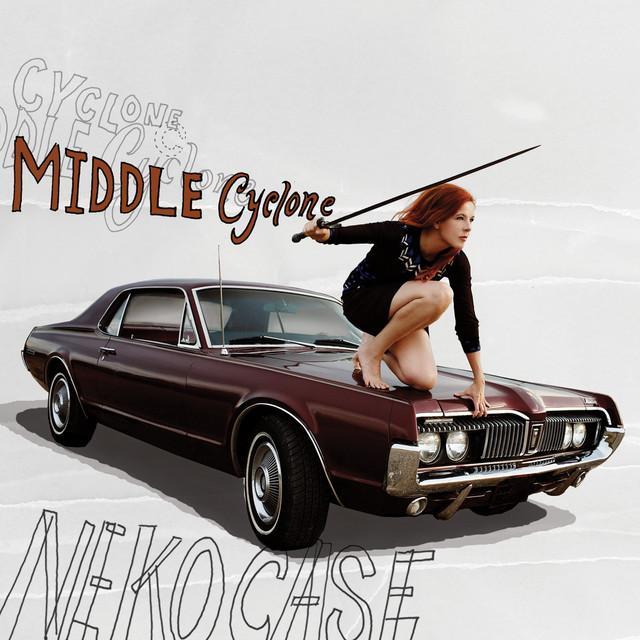
Why Neko Case Made Nature Bite Back
For anyone searching for the meaning of People Got A Lotta Nerve Neko Case, the song lands fast: it is a sharp, witty protest against human entitlement. Neko Case builds the track around one blunt idea: people expect the natural world to submit to them, then act offended when it does not.
"People Got A Lotta Nerve" - Neko Case
An elephant never forgets
Standing in the concrete cave
Loading lyrics...
Unable to load lyrics
We're unable to display the lyrics at this time. Please try again later.
That makes the song funny, angry, and sad at the same time. It sounds playful on the surface, but underneath, it is about captivity, exploitation, and the nerve it takes for humans to blame animals for acting like animals.
The Song’s Core Message Hides in Plain Sight
The verses move through examples of animals that humans fear, study, confine, or misunderstand. Case opens with the elephant image, including an elephant never forgets
, to suggest memory that is not cute or magical but heavy. In context, that memory feels tied to trauma and confinement.
She places the animal in a hard, artificial space, a concrete cave
. That phrase turns a zoo or enclosure into something cold and unnatural. The song is not romanticizing wildlife; it is showing what happens when living creatures are forced into human systems.
Interpretation: The title itself, “People Got A Lotta Nerve,” points the blame outward. The nerve belongs to humans who dominate animals, flatten their instincts into entertainment, and still expect gratitude or obedience.

Watch the official People Got A Lotta Nerve
music video
How the Verses Build a Case Against Human Arrogance
Case does not tell one neat story. Instead, she stacks scenes. The elephant section hints at suffering and spectacle. Then the song shifts to marine life, where humans name predators and pretend those names explain everything.
When she references killer whales
, the point is not that whales are evil. It is the opposite. The song mocks the way people assign scary labels, ignore context, and then seem shocked when a confined predator lashes out.
That is why the lyric about being pinned to the bottom of the tank
feels so important. A tank is not the ocean. It is a human-made box. The song forces listeners to face the fact that captivity does not erase instinct.
A Short Narrative Map
The song’s movement can be read in three beats:
- It begins with an animal remembered as wise, but trapped.
- It moves to a predator turned into a public attraction.
- It ends by repeating a warning that feels almost ceremonial, as if this cycle will keep happening.
That structure gives the song momentum. Each image sharpens the same complaint: humans keep creating conditions they cannot control, then blaming nature for the result.
Why the Chorus Is So Cutting
The chorus is the song’s most famous twist. When Case sings man eater
, she is using irony, not bragging. She flips a familiar phrase so it exposes human hypocrisy.
The next idea matters even more: people are somehow still surprised when I eat ya
. In plain language, the song asks: what did they expect? If humans corner, provoke, or cage wild beings, why act stunned when those beings remain wild?
Interpretation: The chorus may also widen beyond literal animals. It can describe any force humans try to control without respect—nature, ecosystems, even consequences themselves. The bite back is not random. It is cause and effect.
Nature, Memory, and Revenge Without Romance
One reason the song has lasted is that it avoids easy moralizing. It never turns animals into saints. These creatures are dangerous, hungry, and powerful. That is exactly the point.
Case refuses the soft-focus version of nature. She presents animals as real beings with instincts, not mascots for human feelings. The elephant remembers. The whale attacks. The predators feed. None of that is shocking inside the logic of the wild.
It will end again in moonlit song
It will end again in moonlit song
Those closing lines feel eerie rather than comforting. They suggest repetition, maybe even a cycle humans never learn from. The “moonlit” image sounds beautiful, but the repeated ending hints that this conflict between people and nature keeps returning.
How the Sound Helps Sell the Meaning
“People Got A Lotta Nerve” appeared on Middle Cyclone, released in 2009, with songwriting credited to Neko Case and Paul Rigby. The album is widely associated with stormy, nature-centered imagery and was praised by major outlets for its vivid writing and adventurous indie-rock sound.
Musically, the song helps its message by sounding bright and driving instead of solemn. The upbeat pulse creates tension with the dark subject matter. That mismatch makes the critique sharper; the listener may nod along before realizing how brutal the images are.
Case’s vocal delivery matters too. She sounds controlled, almost conversational in places, which keeps the song from tipping into melodrama. Rather than pleading for sympathy, they present the case with dry confidence. That makes the sarcasm bite harder.
The Best Way to Read the Song Today
The meaning of People Got A Lotta Nerve Neko Case is still timely because it speaks to more than one issue at once:
- animal captivity
- environmental disrespect
- human double standards
- the fantasy of controlling wild things
Interpretation: Some listeners will hear it mainly as an animal-rights song. Others will hear a broader warning about ecological arrogance. Both readings fit the lyrics.
What stays constant is the target. The song is not really asking whether animals are dangerous. It assumes they are capable of danger. Its real question is why humans keep acting innocent after creating the conditions for harm.
In that sense, the song’s title is the whole thesis. People do have a lot of nerve. They invade, rename, confine, and exploit, then recoil when nature answers back.
Disclaimer: This interpretation is based on the song’s lyrics, themes, and public context. As with most art, listeners may reasonably hear different meanings in it.








