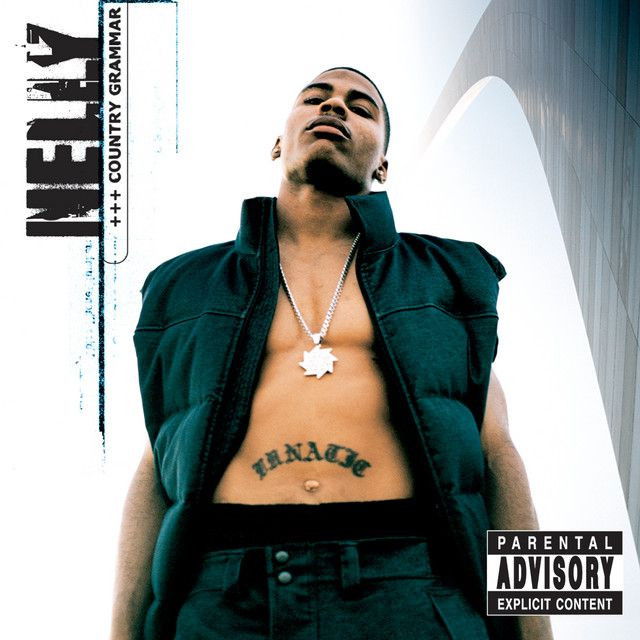
St. Louie by Nelly
A hometown anthem with sharp edges
The meaning of St. Louie Nelly starts with a simple idea: this is a city portrait, not a fantasy postcard. Nelly presents St. Louis as a place of pride, routine, danger, style, and survival all at once. The hook keeps returning to the same point: they can find him at home, in a city where everyday life includes work, hustling, boredom, and violence.
"St. Louie" - Nelly
Where the gun play ring all day (nanana)
Some got jobs and some sell yea'
Loading lyrics...
Unable to load lyrics
We're unable to display the lyrics at this time. Please try again later.
That balance matters. Nelly, born Cornell Iral Haynes Jr., is widely identified with St. Louis and first came up with the St. Lunatics before his solo breakthrough, according to widely cited biographical sources such as Wikipedia’s overview of Nelly. So when they rap about local streets and habits, the song lands less like branding and more like witness.
Watch the official St. Louie
music video
What the song is really saying
At its core, the track says that St. Louis made him. The repeated phrase find me in St. Louie
is more than a location tag. It is a claim of belonging. Even after success, the speaker stays tied to the city’s codes, dangers, and pride.
The hook also gives the song its moral tension. It describes a place where gun play ring all day
, while some people hold jobs, some sell drugs, and others drift. In plain terms, Nelly compresses a whole social landscape into a few blunt lines. The city is not shown as one thing. It is fractured, busy, funny, threatening, and familiar.
Interpretation: The song does not sound like pure social criticism, but it also does not hide harsh realities. Its power comes from holding both truths together: affection for home and awareness of what home can do to people.
Streets, names, and status markers
One of the strongest parts of the song is how specific it is. Nelly mentions local figures, neighborhoods, shopping areas, and roads. References to Natural Bridge, Kingshighway, Hanley Hills, Chesterfield, and the Galleria turn the verses into a verbal map. These details matter because they make the city feel lived in, not symbolic in a vague way.
He also fills the song with signs of image and mobility: a Navigator, a black sedan, fresh Levi’s, and a Vokal shirt. Those are not random props. They show how status works in the world of the song. Clothes, cars, and where someone rides all become proof of movement and respect.
Interpretation: These details suggest a rapper measuring success without cutting ties to the neighborhood. They are saying, in effect, that they have risen, but they still speak the language of where they came from.
The chorus turns the city into a cycle
The hook is memorable because it is broad while the verses are narrow and local. That contrast gives the song shape. The chorus states the conditions; the verses show what those conditions look like on the ground.
Some got jobs and some sell yea'
Others just smoke
Those short lines reduce the city to a hard set of options. Even when the song sounds playful or swaggering, the hook keeps reminding listeners that the environment is unequal and tense. It also has a chant quality that fits Nelly’s style, which critics have often described as hook-driven and rhythmic in a sing-song way, as noted in summaries of his artistry on Wikipedia.
How the verses build identity
The first verse leans into toughness and reputation. There are gun references, brand names, and industry nods. That mix tells listeners the speaker is moving between street credibility and rap fame. A line like have you seen her
, tied to a weapon image, shows how casually danger is folded into everyday boasting.
The second verse feels more routine and local. Morning starts, friends gather, smoke is passed around, and flows get sharpened before shows. That movement from waking up to practicing suggests that talent grows out of neighborhood rhythm, not apart from it. The city is not only where crime happens; it is also where craft gets built.
The third verse widens the frame. Nelly places St. Louis inside national rap culture with nods to Tupac, Biggie, Tim, Missy, and Eminem. By the end, the city is no longer treated like a flyover place. It stands beside the coasts, summed up in the proud regional spelling of Missouri.
How the sound carries the meaning
Production-wise, the song leans on a repetitive, almost nursery-rhyme hook and a cruising rap cadence. That matters. The easy repetition makes the chorus feel communal, like a neighborhood chant. But the lyrics underneath are full of threat and pressure. That mismatch is part of the song’s effect.
Nelly’s delivery also helps. They often rap with melodic bends rather than a flat attack, a trait often noted in descriptions of his style and one that helped separate him from many peers in the early 2000s. Here, that style softens the surface without removing the song’s menace. The result is a track that sounds inviting even when the content is hard.
A song of pride, realism, and regional ambition
The best way to understand the meaning of St. Louie Nelly is to hear it as a city anthem with no filter. It celebrates local identity, but it refuses to clean up the picture. The song argues that St. Louis contains hustle, talent, boredom, danger, fashion, friendship, and ambition in the same breath.
Interpretation: Nelly is not just saying where they are from. They are arguing that St. Louis deserves to be heard on its own terms. The city is not a backdrop to the rapper; it is the source of the voice.
Final takeaway
“St. Louie” works because it is both specific and broad. Its landmarks make it personal, while its hook turns one city into a larger statement about how environment shapes identity.
Disclaimer: This interpretation is based on the lyrics, performance, and publicly available artist context. As with any song, listeners may reasonably hear different meanings in it.









