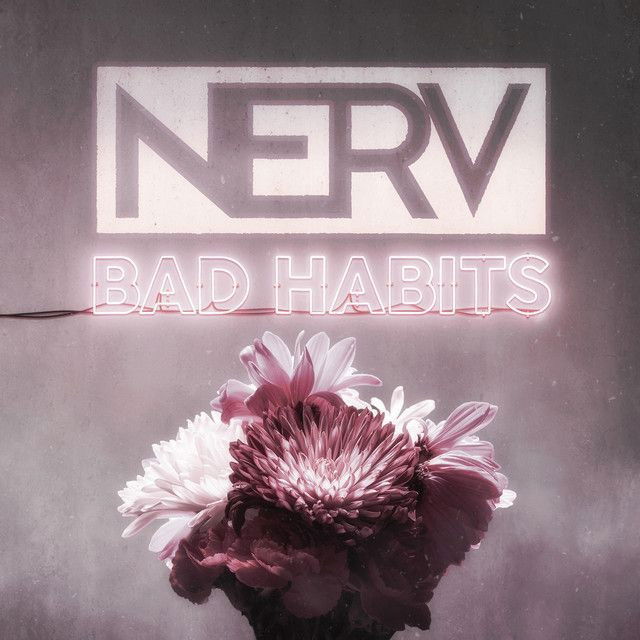
Why 'Bad Habits' by Nerv Feels So Addictive
The meaning of Bad Habits Nerv comes down to a simple tension: the song loves the rush even as it admits the damage.
"Bad Habits" - Nerv
Provided by LyricFindIt's crazy
How did this start with fire?
Burning when I met you, with desireLoading...Loading lyrics...
Unable to load lyrics
We're unable to display the lyrics at this time. Please try again later.
Where the Song’s Heart Really Lies
At its core, “Bad Habits” is about a connection that feels irresistible, immediate, and a little dangerous. The speaker is pulled into another person so fast that desire starts to feel like dependency. What begins as chemistry soon sounds like a pattern they know they should resist, but cannot.
That is the key to the meaning of Bad Habits Nerv. It is not just about romance. It is about how pleasure can blur judgment. The lyrics move from awe and excitement into a loss of control, then end with the emotional cost of that surrender.
Interpretation: The title matters because it changes how listeners hear the passion. Without it, the song could sound like a straight love track. With it, every rush of desire also carries warning.

Watch the official Bad Habits
music video
From Spark to Spiral
The opening frames attraction as something almost explosive. The song starts with fire and desire, making the relationship feel instant and consuming. When the speaker suggests they both fell into something they did not fully understand, the song hints that this bond is bigger than either of them expected.
That early section is full of closeness and temptation. Short phrases like with desire
and you got me
show how quickly interest becomes attachment. The wording is simple, but that simplicity helps. It sounds like someone caught off guard by their own feelings.
Then the song raises the stakes. When the speaker says they are losing my mind
, the relationship no longer feels playful. It feels destabilizing. Attraction is not just exciting now; it is overwhelming.
Why the Chorus Sounds Like Craving
The chorus is the clearest statement of the song’s emotional engine. The repeated idea of not wanting to stop turns intimacy into compulsion. The line breathing you in
is especially important because it treats the other person like air, something necessary for survival.
That is where the song’s metaphor becomes powerful. They are not just near this person. They are consuming them, or trying to. The feeling is described as so electric
and unexpected, which adds both thrill and danger.
Interpretation: The chorus sounds like the language of addiction on purpose. It blurs emotional need, physical attraction, and obsession. That overlap gives the song its tension.
The Turn: Pleasure Meets Consequence
Midway through, the lyrics briefly suggest awakening. The speaker admits they did not realize they were “sleeping,” then says this person woke something up in them. On one level, that sounds romantic. On another, it sounds like the start of dependency, because the other person becomes the source of feeling, energy, and purpose.
This is why the later section lands so hard. The repeated admission of lost control finally names what the earlier verses only implied. The relationship was not just intense. It became a bad pattern.
We were alone, bad habits
We lost control, we had it
Now I'm alone
That short passage is the song’s emotional reveal. The thrill is gone, and what remains is absence. The title shifts from seductive to tragic.
The Images That Carry the Meaning
Several motifs repeat across the song and sharpen its message:
- Fire suggests instant attraction and danger.
- Breath suggests dependence and closeness.
- Electricity suggests excitement that jolts the body.
- Sleep and dreaming suggest altered reality and blurred judgment.
- Control marks the line between pleasure and self-destruction.
These images all push in the same direction. The relationship does not feel calm or steady. It feels physical, consuming, and unstable.
How the Sound Likely Supports the Story
Even without unpacking every production detail, the writing points toward a modern rock track built on tension and release. The repeated hook, heavy emotional language, and breathless phrasing suggest a chorus designed to hit hard and linger.
That matters for the meaning of Bad Habits Nerv because the song’s structure mirrors its message. Verses build anticipation. The chorus floods the listener with sensation. Then the later section strips that excitement down to isolation. In other words, the arrangement likely helps listeners feel the same cycle the lyrics describe: temptation, surrender, and aftermath.
The credited writers are David Jones, Dillon Jones, Jordan Grokett, Scott Buchanan, and Tyler Clar. That collaborative writing may help explain why the song feels streamlined and immediate. Every section drives toward the hook, and the hook carries the central idea.
One Song, Two Strong Readings
The most direct reading is that “Bad Habits” tells the story of a romantic or sexual relationship that burned hot and ended badly. The emotional path supports that view from start to finish.
Interpretation: A second reading is broader. The other person could represent any destructive pattern that feels good in the moment. The lyrics use intimate language, but the title opens the door to hearing the song as a portrait of compulsion itself.
That ambiguity is part of what makes the track work. Listeners can hear a breakup song, an obsession song, or both at once.
Why the Ending Sticks
What stays with listeners is not just the attraction. It is the contrast between wanting more and being left alone. The song starts in heat and motion, then ends in emptiness. That arc gives the track emotional weight.
So, the meaning of Bad Habits Nerv is ultimately about the cost of giving in to something that feels amazing but cannot last. It understands the pleasure. It also understands the fallout.
Final Thought
“Bad Habits” captures the moment when desire stops being simple and becomes a pattern. It turns physical chemistry into a warning story, without losing the rush that made the danger appealing in the first place.
Disclaimer: This interpretation is based on the released lyrics provided and common songwriting analysis. As with any song, listeners may hear meanings that differ from the artist’s private intent.









