Why NF's "Hate Myself" Hurts So Much
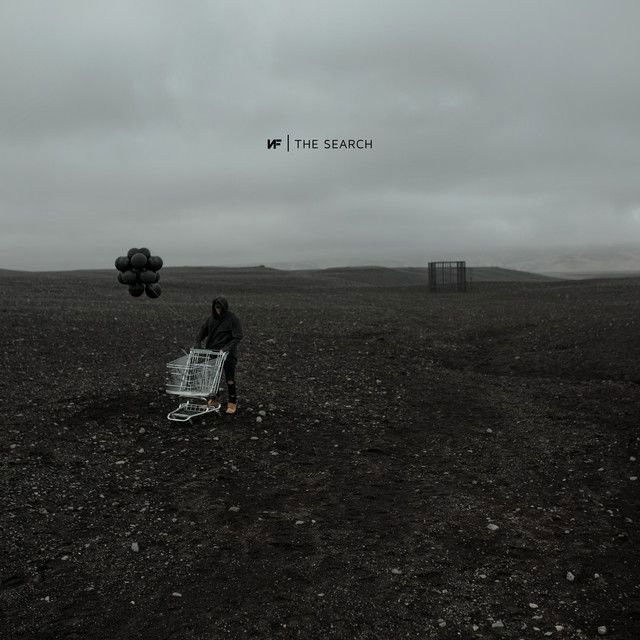
NF’s “Hate Myself” is one of the rawest songs on The Search. At its core, the meaning of Hate Myself NF comes down to a painful idea: a person may want help, love, and peace, yet still feel unable to accept any of it because they are trapped in self-hatred.
"Hate Myself" - NF
You look so misunderstood
And I wish I could help
Loading lyrics...
Unable to load lyrics
We're unable to display the lyrics at this time. Please try again later.
Released on NF’s 2019 album The Search, the song fits the project’s larger focus on anxiety, identity, and mental strain. It was written by Nate Feuerstein and Tommee Profitt, two longtime collaborators whose work often blends confession with cinematic production. That context matters, because this track is not trying to sound polished or victorious. It sounds cornered.
The Song’s Core Wound
The chorus says the central truth in plain words. The narrator admits that they cannot even see themselves clearly, and because of that, they struggle to care for others or receive care in return. When they repeat hate myself
, it is not there for shock. It is the key that unlocks every verse.
Interpretation: The song is not only about low self-esteem. It is about the way self-hatred distorts every relationship, including a relationship with God, with success, and with one’s own future.
That is why the opening lines feel so important. They suggest a split between who the person really is and how they now view themselves. The self has become, in their own eyes, damaged and hard to save.

Watch the official Hate Myself
music video
Late Nights, Loud Thoughts, No Relief
One of the song’s strongest ideas is that nighttime removes distractions. When NF says late nights are the worst
, he frames the mind as a place that gets more dangerous when everything is quiet.
The verses build that feeling with racing thoughts, spiritual exhaustion, and emotional collapse. The narrator questions their worth, their beliefs, and even their own uniqueness. Instead of feeling special, they feel broken. Instead of feeling successful, they feel empty.
A key moment comes when the song mentions suicide thoughts come and go
. Just as important, the lyric immediately clarifies that they do not want death as much as they want relief. That distinction matters. The song presents a person overwhelmed by pain, not someone glamorizing self-destruction.
Success Does Not Save Them
Another major part of the meaning of Hate Myself NF is its rejection of public success as a cure. NF has built a career on deeply personal rap, but this song pushes back against the idea that fame or achievement fixes inner wounds.
When the narrator says What is success
after hope has left, they expose a hard truth: external wins mean very little if inner peace is gone. The song even hints at frustration with interviews and public expectations. People may see a successful artist. The speaker feels unseen.
Interpretation: This part of the song can be read as a critique of celebrity culture. Audiences often assume wealth, chart success, or visibility equals emotional health. NF argues the opposite. A person can be thriving in public and collapsing in private.
The Push-Pull of Love and Faith
The song becomes even sadder when it shows that love is available, but the narrator cannot hold onto it. They are reaching out, asking for connection, then rejecting it once it arrives. That cycle helps explain why the chorus feels so helpless.
There is also a spiritual layer. The line about praying with open arms presents someone still turning toward God, even while feeling hopeless. That image suggests surrender, need, and desperation at the same time.
Pray to God with my arms openIf this is it, then I feel hopeless
This is the article’s clearest emotional pivot. The speaker is not faithless; they are exhausted. They want peace, but they feel unable to reach it.
Ashes, Caskets, and Captivity
The final verse uses some of the song’s most vivid imagery. NF describes walking through the remains of old passions and carrying emotional baggage like death weight. These are dramatic images, but they fit the album’s style. The Search often turns inner struggle into physical scenery.
Words like ashes, casket, captured, and defeat all suggest a life that feels spiritually burned out. Even peace becomes something nearby but unreachable. The repeated idea that it keeps speaking, yet cannot be had, makes the song feel like a battle between desire and self-sabotage.
Interpretation: The imagery may suggest depression as a trap of repetition. The person can still imagine peace, but imagination alone cannot break the cycle.
Why the Production Hits So Hard
Tommee Profitt’s production helps carry the meaning without overcomplicating it. The instrumental is restrained, moody, and spacious, letting NF’s voice stay exposed. That space matters because the track needs to sound isolated.
The beat does not rush toward release. Instead, it lingers, which mirrors the feeling of being stuck inside one’s own mind. NF’s delivery also shifts between controlled rap and strained confession. He often sounds as if he is trying to keep composure while falling apart.
That production choice makes the song believable. Rather than turning pain into drama for its own sake, the music supports the lyrics’ sense of emotional paralysis.
Why This Song Connects So Deeply
“Hate Myself” resonates because it says something many people feel but struggle to admit: self-hatred does not stay private. It affects love, faith, ambition, and the ability to accept help.
For listeners, that honesty can feel brutal but comforting. NF does not offer a neat solution here. He offers recognition. And sometimes recognition is why a song lasts.
In the end, the meaning of Hate Myself NF is less about one bad night than a whole pattern of inner war. It is a portrait of someone who wants healing, but cannot yet believe they deserve it.
Disclaimer: This interpretation is based on the released lyrics, performance, and known artist context. As with any song, meanings can vary from listener to listener.









