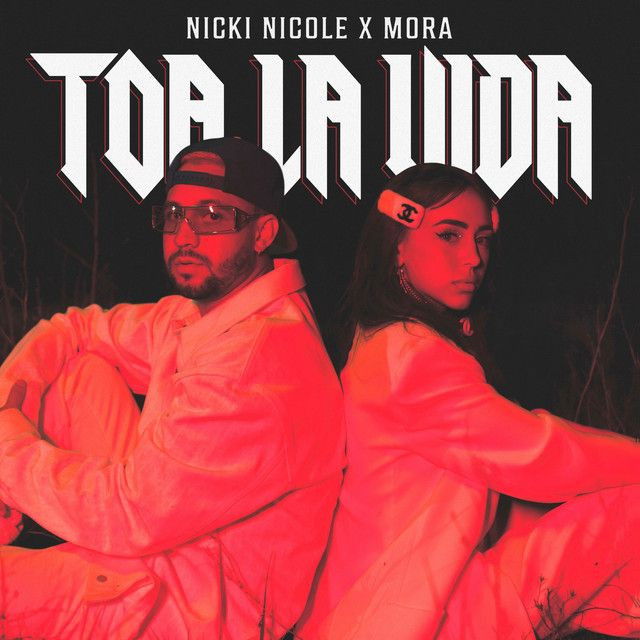
Why 'Toa la Vida' Hurts So Much
The core meaning behind the chaos
The meaning of Toa la Vida Nicki Nicole, Mora centers on a love that feels permanent even when it is clearly damaging. The song is about two people who keep reaching for each other after trust has already broken down. They promise change, disappear, drink, text late at night, and repeat the same cycle.
"Toa la Vida" - Nicki Nicole, Mora
Yeah
Yeah
Loading lyrics...
Unable to load lyrics
We're unable to display the lyrics at this time. Please try again later.
What makes the track hit so hard is that neither voice sounds fully innocent. Each person admits weakness. Each person remembers being lied to. The chorus frames love as something huge and lifelong, but the verses show a bond built on relapse, not repair.
Interpretation: the title phrase suggests forever-love, yet the song keeps proving that “forever” can become a trap. It is not a celebration of romance. It is a portrait of emotional dependence.

Watch the official Toa la Vida
music video
A duet built on mirrors
Nicki Nicole and Mora structure the song like a broken mirror. One voice says the other writes when drunk and then vanishes. The other answers with the same pain from the opposite side. That symmetry matters.
Instead of giving listeners a hero and a villain, the song presents mutual damage. Short phrases like borracho me escribe
and sigo desaparecida
show the pattern: intoxicated contact, then emotional absence. The problem is not one bad night. It is a routine.
This back-and-forth style fits both artists well. Nicki Nicole has built a career on emotional flexibility, moving across hip-hop, reggaetón, ballads, and pop on projects like Parte de Mi, which Billboard praised for its range and her “soulful powerhouse vocals” (Billboard). Mora, meanwhile, often writes from the blurry edge between desire, regret, and nightlife. Together, they make the song feel like a conversation that should have ended long ago.
What the verses reveal about the relationship
Promises keep failing
One of the song’s clearest ideas is repeated betrayal. The singers describe months passing, promises being made, and those promises collapsing almost immediately. The key emotional detail is not just that someone lied. It is that both people kept hoping anyway.
That is why phrases like te juraba que cambiaría
matter. The line points to a pattern of apology without action. In plain terms, the relationship has become a place where words are cheap.
Night and day split the pain
The imagery also divides their suffering by time. One person is out living fast at night, while the other is left crying during the day. That contrast sharpens the imbalance. One escapes through movement and distraction; the other sits with the emotional cost.
There is also a strong sense of wasted investment. They mention losing time, money, and emotional energy. Love here is not only sad. It is expensive.
“Siempre eres tú en mí
Tú me dejaste así
¿Por qué lo hiciste así?”
This brief closing moment strips away the blame game and gets to the wound underneath it. Even after all the anger, they are still marked by the same person.
The chorus turns devotion into desperation
The hook is the reason the song lingers. When they say to'a la vida
, they are not describing a healthy future plan. They are expressing a wish so intense that it ignores reality.
Interpretation: the chorus sounds romantic on first listen, but inside the full song it becomes tragic. Wanting someone for life means very little if the relationship keeps breaking both people down. The line about needing to stay alive to be with the other person raises the emotional stakes, making the attachment sound extreme, almost like survival itself depends on the bond.
That dramatic language is common in Latin urban heartbreak songs, but here it works because the verses undercut the fantasy. The hook reaches for eternal love; the story keeps landing in the same mess.
Sound and production: why the pain feels foggy
The production supports that emotional loop. The track leans into a moody urban-pop/reggaetón atmosphere rather than a bright club sound. Its beat feels slow enough to let the words sting, but steady enough to suggest repetition. That balance mirrors the song’s central problem: they are stuck moving in circles.
Nicki Nicole’s tone carries fragility and frustration at once. Mora brings a weary, confessional energy that sounds especially effective on lines like qué pendejo
, where self-criticism replaces swagger. The vocal contrast matters. Nicki often sounds wounded but controlled, while Mora sounds more openly defeated.
The result is a late-night texture: blurred, heavy, and intimate. Even without oversized production tricks, the song creates the feeling of reading old messages after too many drinks.
A few key symbols in plain English
Several recurring ideas deepen the song’s meaning:
- Alcohol: lowers defenses and restarts contact.
- Messages/texts: false connection without real change.
- Night: escape, temptation, and avoidance.
- Disappearance: emotional unavailability.
- Fire/poison: attraction that also harms.
When Mora refers to a burning force he cannot leave, the message is simple: they know the relationship hurts, yet desire keeps winning.
Final takeaway for listeners
The meaning of Toa la Vida Nicki Nicole, Mora is not just heartbreak. It is the exhaustion of loving someone through a cycle that never improves. The song captures what happens when longing survives after trust dies.
Its power comes from honesty. They do not pretend love is noble here. They show how people can miss each other, want each other, and still make each other worse.
Disclaimer: This interpretation is based on the lyrics, performance, and available artist context. Like most songs, “Toa la Vida” can support more than one valid reading.








