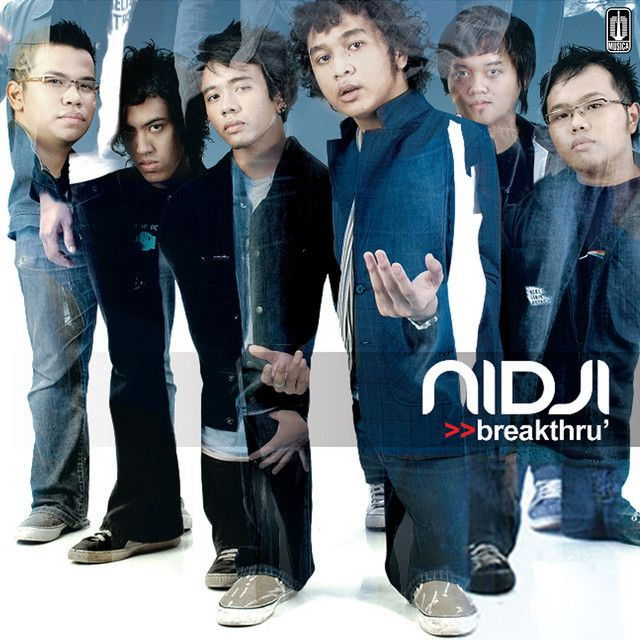
Hapus Aku by Nidji
A soft anthem of surrender, Hapus Aku turns a breakup into a quiet prayer. Instead of anger, the song holds acceptance: the idea that love can be real yet not meant to last. It’s one of the defining early singles that helped place Nidji’s bright, Britpop-leaning sound on the Indonesian rock map in the mid-2000s.
"Hapus Aku" - Nidji
Semua tak bisa kau ungkapkan
Dan kita kan bicara dengan hatiku
Loading lyrics...
Unable to load lyrics
We're unable to display the lyrics at this time. Please try again later.
What the Song Is Really Saying: Acceptance Over Anger
If you’re searching for the meaning of Hapus Aku Nidji, start with the chorus idea: acceptance. The narrator admits the love cannot continue—summed up by the phrase Dia bukan milikku
—and chooses to step back. The request Hapus aku
is not self-loathing; it’s a decision to release the bond.
Interpretation: the singer isn’t asking to be erased as a person, but to be erased from the other person’s story. Time becomes the healer, the editor, and the eraser that makes moving on possible for both sides.

Watch the official Hapus Aku
music video
The Voice Behind the Plea: Who’s Talking, and to Whom?
The voice is first person, addressing both a higher power and their own conscience. Lines like Yakinkan aku Tuhan
show they’re asking for clarity and strength. They also try to converse inwardly—dengan hatiku
—as if negotiating the heart’s stubborn hope.
Interpretation: the song stages a three-way dialogue—self, God, and the absent lover—yet it never turns accusatory. That restraint is its emotional center.
A Simple Timeline of Letting Go
- The narrator names the hurt—
Tuliskan kesedihan
—as a first step to clarity. - They drop romance narratives—
Buang semua puisi
—rejecting idealized memories. - They accept reality: the love isn’t theirs to keep.
- They hand it to time and faith: erase me from your path, and let me heal.
- The refrain returns like a mantra, teaching the heart what the mind already knows.
Symbols You Can Hear and See
- Writing and tearing pages: The move from
Tuliskan kesedihan
to discarding poems suggests purging the script of a doomed romance. It’s a ritual of closure. - Time as eraser: Rather than a dramatic goodbye, the song trusts slow healing. The “erase” is gentle, not violent—more fading ink than ripped photo.
- Prayer as recovery: The spiritual ask reframes heartbreak as growth. Instead of winning or losing, the goal is acceptance.
- The “death” of love: When the lyric speaks of love being “killed,” it reads as metaphor—an acknowledgement that the feeling changed or ended, not a wish for harm.
How the Sound Deepens the Hurt
Nidji’s arrangement turns sorrow into lift. Guitars shimmer with a Britpop glow while synths widen the space, a style the band is known for. The drums give a steady, mid-tempo pulse that feels like walking forward, not collapsing.
Vocally, Giring rides the melody with earnest, open-throated phrasing. He doesn’t over-adorn the lines; the plainness makes the plea feel true. As the chorus hits, the band swells, echoing the act of letting go—a rise that feels like release rather than triumph.
Context matters: Hapus Aku comes from their early era, around the debut album Breakthru (2006). Those years established their alternative pop/rock identity, often compared with Britpop textures and arena-ready hooks. The tension between sparkling sonics and somber words is exactly why the track resonates. Pain, here, has polish—and that contrast makes the emotion more memorable.
Alternate Readings That Also Fit
- Interpretation 1: Erasing the shared footprint. The narrator asks time to remove their presence from the other person’s life, so the other can thrive without lingering ties.
- Interpretation 2: Erasing the fantasy. The “erase” could mean clearing false stories—those poems and promises—so the singer can see reality and move on.
- Interpretation 3: Surrender to a higher plan. The repeated prayer implies fate is accepted; the singer yields agency, trusting a purpose beyond the breakup.
Each reading is supported by the balance of humility and resolve. There’s no bargaining for a reunion—only the courage to step aside.
Takeaway: Why It Still Hurts (And Helps)
The meaning of Hapus Aku Nidji is simple and human: accept what isn’t yours, ask for strength, and let time do its slow work. It hurts because it demands humility. It helps because it offers a clear path forward.
Disclaimer: Song meanings are subjective. This reading draws on the lyrics, band context, and production choices, but listeners may hear it differently.







