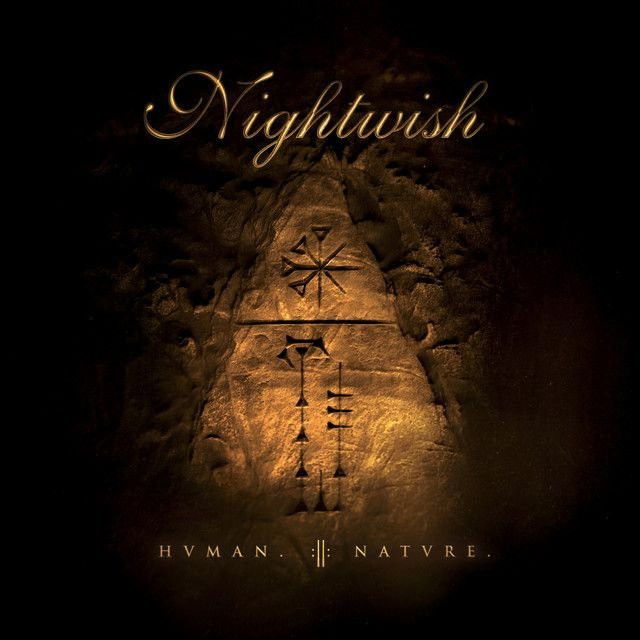
Harvest by Nightwish
Nightwish often writes on a huge scale, but this song finds something cosmic in the soil.
"Harvest" - Nightwish
Provided by LyricFindMy harvest will come
Tiny valorous straw
Among the millionsLoading...Loading lyrics...
Unable to load lyrics
We're unable to display the lyrics at this time. Please try again later.
Why the meaning of Harvest Nightwish feels so grounded
For many listeners, the meaning of Harvest Nightwish comes down to one big idea: a good life is not about possession or glory, but about growth, care, and returning what they have received. The song uses farming images to talk about human life as part of a larger cycle.
That fits Nightwish’s wider history. The Finnish band, formed in 1996, is known for symphonic metal, folk color, and big philosophical themes. Over time, they have mixed heavy music with orchestral and acoustic elements, and they have sold more than 10 million records worldwide while becoming one of Finland’s biggest acts. Those broad facts help explain why a song as earthy as “Harvest” still feels fully Nightwish.
Watch the official Harvest
music video
A folk hymn inside a symphonic metal world
“Harvest” appears on Human. :II: Nature. from 2020, an album that explores humanity and the natural world. In factual terms, Nightwish’s lineup at that time included Floor Jansen, Tuomas Holopainen, Emppu Vuorinen, Troy Donockley, and Kai Hahto, with Troy already established as a full member after joining permanently in 2013.
The track matters because Troy Donockley is not just a color in the background here. He is one of the credited writers, and his lead vocal gives the song its plainspoken warmth. Instead of aiming for grand drama, the arrangement leans into folk instrumentation and a communal feel. That choice makes the song sound like advice passed down across generations.
What the song is really saying
At its core, the lyric presents life as a field people borrow for a while. The opening idea, my harvest will come
, suggests that everyone reaches a season of reckoning and fulfillment. But the song does not frame that moment as selfish reward.
Instead, it quickly widens the picture. A person is only a tiny valorous straw
among millions, facing the same sun as everyone else. That image shrinks the ego without making human effort seem worthless. They are small, but still brave. Their task is to stand, grow, and take part.
Interpretation: this is a song about humility with purpose. It says a life matters most when it serves something beyond the self.
The chorus turns labor into legacy
The chorus is the clearest key to the song’s message. When it says join the harvest of hundred fields
, it imagines many lives, places, and struggles feeding one shared outcome. The line about all things going back to one grain suggests common origin and common end.
That is why the next ideas matter so much. The lyric urges people to inspire a child
and then repeats surrender to the earth
. In plain terms, the song praises two linked acts:
- passing something good to the next generation
- accepting that human life returns to nature
This makes the chorus feel less like a celebration of farming and more like a philosophy of stewardship.
Images of beauty, death, and acceptance
One of the strongest parts of “Harvest” is how it holds beauty and death together. The song mentions crops, sunlight, storm, and the unsettling image of a child before the scythe. That contrast keeps the pastoral setting from becoming too sweet.
Offer light to the coming day
Inspire a child
Water the field, surrender to the earth
This short passage brings the song’s values into focus. People should give light, nurture life, and then accept limits. The phrase arrive alive
at the end sounds almost simple, but it lands as a final instruction: be truly present in the life they are given.
A gentle critique hidden in the middle
There is also a sharper edge in the second verse. The lyric says some people have beauty beyond poetry, yet choose silence and misery. It then contrasts easy words and tame crowds with a more daring way to live.
Interpretation: this section may be criticizing modern emptiness or passive living. The song seems to argue that people often settle for comfort, performance, or social obedience instead of meaningful work and real connection.
That reading fits the rest of the track. “Harvest” treats life as participation, not spectatorship. They are meant to water the field, not just admire it.
How the sound carries the message
Production and arrangement are essential here. Nightwish is famous for huge symphonic scale, but this song gets its power through restraint. Troy’s voice sounds conversational and weathered, which helps the lyric feel lived-in rather than theatrical.
The folk textures also matter. They connect the song to old traditions, communal labor, and seasonal ritual. In a catalog known for metal force and cinematic scope, “Harvest” works because it chooses closeness over explosion. Even so, it still belongs in Nightwish’s world, where nature, humanity, and time often meet in the same frame.
Final reading: what “Harvest” leaves behind
The best way to understand the meaning of Harvest Nightwish is to see it as a song about living usefully inside a cycle they cannot control. It asks for courage, but not conquest. It asks for care, not status.
The song’s deepest comfort is that smallness is not failure. A single grain, a field, a child, a life: each one matters because it belongs to a larger whole.
Disclaimer: This interpretation is based on the lyrics, the song’s musical presentation, and publicly known band context. As with any poem or song, other readings are possible.









