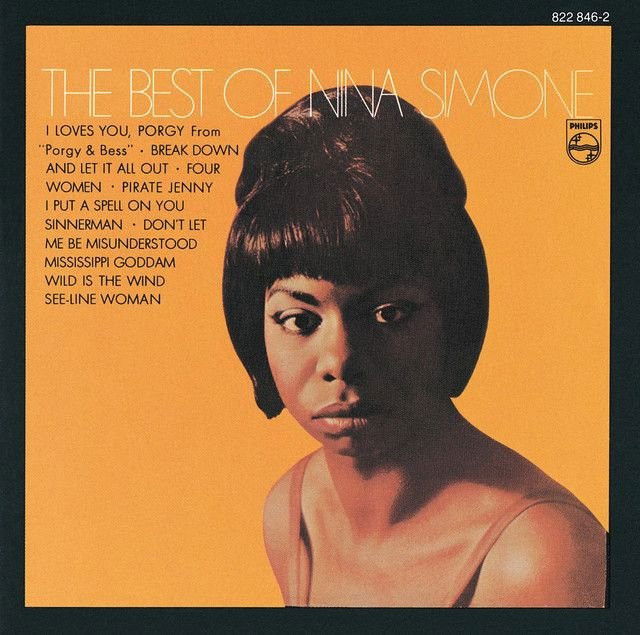
Why 'Go to Hell' by Nina Simone Still Bites
The meaning of Go to Hell Nina Simone starts with a warning, but it does not stay that simple. On the surface, the song sounds like a blunt sermon about sin and punishment. Yet the more they listen, the more it feels like Nina Simone is doing more than preaching. She turns old religious language into a sharp performance about human behavior, pride, and moral failure.
"Go to Hell" - Nina Simone
And evil-doin's your thrill
And trouble and mischief is all you live for
Loading lyrics...
Unable to load lyrics
We're unable to display the lyrics at this time. Please try again later.
Recorded during a period when Simone could move between jazz, blues, gospel, and protest with unusual force, the song fits the bold style heard across her Philips years. It was written by Morris Jr. Bailey, but Simone’s delivery is what gives it lasting power. They do not just hear a message about the afterlife. They hear judgment used as theater, warning, and social critique all at once.
A Moral Warning With Teeth
At its core, the song says that actions have consequences. Each verse names a different kind of wrongdoing: giving in to evil, living in selfish comfort, leading children astray, or repeating the old story of temptation and fall. The repeated threat of go to Hell
is less about subtle poetry than about force. Simone wants the phrase to hit like a bell.
That directness matters. This is not a private confession song. It addresses people who think they can escape judgment. When the lyric points at those living high and mighty
, it expands from personal sin to social arrogance. The target is not only the wicked in a church sense. It may also be the smug, powerful, and morally careless.
Interpretation: That is why the song can feel bigger than religion. Hell becomes a name for accountability. Simone sings as if no money, status, or excuse can protect anyone from what they have chosen to become.

Watch the official Go to Hell
music video
The Voice Sounds Like a Sermon and a Challenge
One reason the song works so well is the way Simone performs it. Her voice does not float above the music; it commands it. She uses repetition, pauses, and emphasis like a preacher addressing a room that needs waking up.
The most striking moments come when she leans hard on the title phrase and on words like natural soul
. She is not describing abstract theology in a calm way. She is pushing the listener to feel the danger of losing their moral center.
Where your natural soul burns
Where you pay for your sins
Those lines turn hell into more than a place. It becomes the result of corruption. In plain terms, the song argues that wrongdoing damages the soul before any final punishment arrives.
How the Verses Build the Song’s Message
The song moves in a clear sequence, and that structure helps explain the meaning of Go to Hell Nina Simone.
- It begins with people drawn to evil for pleasure, the ones who treat harm like entertainment.
- It then shifts to comfort and wealth, warning those who live off others while ignoring the soul.
- Next, it broadens into family and society, urging adults to keep children from wrong paths.
- Finally, it reaches biblical history and the story of Satan, placing human failure in a larger tradition of rebellion.
This progression matters. Simone starts with individual choice, then moves outward to class, parenting, and myth. The message grows from personal behavior into a whole moral world. By the end, sin looks less like one bad act and more like a pattern that repeats across generations.
Religion, Satire, and Social Critique
There is a real religious frame here. The song uses Christian images of Satan, sin, punishment, and the fall of man. But Simone often sang material in ways that added irony, tension, or social meaning beyond the lyric on the page. That is part of why this song feels alive.
When she warns the rich and the proud, the track edges toward satire. The line about living off the land is not neutral. It suggests greed and moral laziness. In that sense, hell is not only a church lesson. It is also a rebuke to people who exploit others and still believe themselves respectable.
Interpretation: Some listeners may hear the song as a coded attack on hypocrisy, especially the hypocrisy of respectable society. Simone’s art often challenged false innocence, as discussed by the Nina Simone Estate. This song fits that larger pattern, even if it does so through a traditional moral warning.
Why the Sound Makes the Threat Feel Real
Musically, the song sits in jazz but draws strongly from gospel performance. The arrangement supports the message by giving Simone space to declare rather than simply sing. Brass, rhythm, and backing responses create a public feeling, almost like a stage sermon or call-and-response warning.
The groove keeps moving, which is important. A slower, softer arrangement might make the song mournful. Instead, this one feels driving and confrontational. That pulse turns judgment into momentum. They are not asked to reflect quietly; they are pressed forward by the beat.
Simone’s phrasing also adds drama. She stretches some words, punches others, and repeats the title until it sounds nearly physical. The result is a performance that feels half jazz number, half courtroom verdict.
The Lasting Meaning of 'Go to Hell'
So what is the lasting meaning of Go to Hell Nina Simone? Factually, it is a song about sin and punishment, written in clear religious language. But in performance, Simone makes it feel larger: a warning against cruelty, greed, vanity, and the false belief that power erases guilt.
That is why the song still lands. It is not delicate, and it is not meant to be. It uses a hard phrase to say that every choice shapes the soul. Whether listeners hear it as theology, satire, or social criticism, the force comes from the same place: Simone sounds like someone who refuses to let wrongdoing pass without a name.
Disclaimer: This interpretation separates documented facts from critical reading. Meanings can vary by listener, and some themes above are informed interpretations rather than confirmed statements from Nina Simone.







