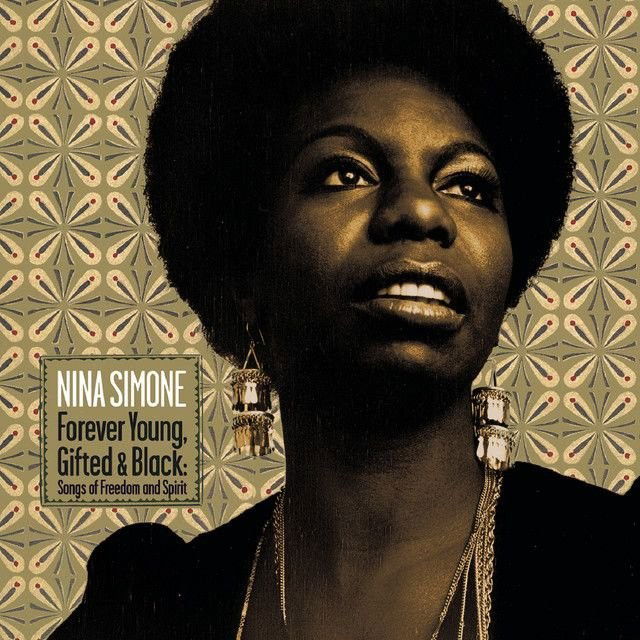
Why 'Young, Gifted and Black' Still Matters
A song that turns pride into purpose
The meaning of To Be Young, Gifted & Black Nina Simone starts with a simple but powerful idea: Black identity is not a burden to overcome, but a source of worth, talent, and future promise. Nina Simone does not frame that message as private comfort alone. They deliver it like a public affirmation, aimed especially at children and young people who may be growing up in a world that doubts them.
"To Be Young, Gifted & Black" - Nina Simone
Oh, what a lovely precious dream
To be young, gifted and black
Loading lyrics...
Unable to load lyrics
We're unable to display the lyrics at this time. Please try again later.
The song is both tender and firm. It praises Black youth, but it also pushes listeners to believe in themselves and to keep going when life gets hard. That mix helps explain why the track became a civil-rights-era anthem rather than just an inspirational song.
Watch the official To Be Young, Gifted & Black
music video
Where the song came from
This song carries deep personal and historical weight. Its title comes from Lorraine Hansberry’s final work, and Simone wrote it in memory of Hansberry, the playwright behind A Raisin in the Sun. According to the Wikipedia entry, Simone first performed it at the 1969 Harlem Cultural Festival before a crowd of about 50,000, and a famous live version later appeared on Black Gold in 1970.
That context matters. Simone was not singing in a vacuum. They were addressing Black audiences during the civil rights era, when public statements of dignity and self-definition had urgent political force. The song became a way to speak hope into a community facing racism, exclusion, and grief.
The core message in the lyric
At the center of the lyric is a repeated phrase, young, gifted and black
. Simone treats those words almost like a truth that listeners need to hear again and again until it feels natural. The repetition is important because the culture around the song often sent the opposite message.
The lyric keeps widening its focus. It does not only praise one person. It says there are countless children in the world who deserve to see themselves as valuable. When Simone sings about a million boys and girls
, the song moves from personal identity to collective belonging.
That is why the track feels both intimate and communal. It speaks to one listener at a time, but it also builds a shared sense of pride.
How the lines build the theme
Encouragement, not denial
One of the song’s smartest choices is that it does not pretend pain is unreal. Simone admits moments of struggle and low feeling. Then they answer that pain with reassurance, including the line your soul's intact
. In plain terms, the song argues that oppression may wound people, but it does not erase their inner worth.
That makes the message more credible. Instead of cheap positivity, Simone offers pride that has survived hardship.
A message to the next generation
Another key line points outward: We must begin to tell our young
. This turns the song into a mission. Adults are responsible for teaching confidence and truth to Black children.
Interpretation: This may be the song’s deepest idea. It is not only about feeling proud in the present. It is about passing that pride along so the next generation does not inherit only fear, silence, or shame.
The chorus as an anthem
The hook works because it is easy to remember and impossible to miss. Simone builds the chorus like a declaration, then lets the room absorb it. By the time they reach is where it's at
, the phrase sounds less like slang and more like a stamp of approval on Black life itself.
There's a world waiting for you
Yours is the quest that's just begun
Those lines paraphrase the song’s big promise: Black youth are not trapped by the present moment. They have a future, and that future asks for courage, ambition, and belief.
How the sound carries the meaning
The best-known version is live, and that matters a lot. A live setting lets Simone sound less polished and more direct, almost as if they are speaking with the audience rather than performing at them. The arrangement blends soul, blues, jazz, and gospel feeling. That mix gives the song both warmth and authority.
The tempo is steady, not rushed. It leaves room for the words to land. The backing musicians support rather than crowd the vocal, which keeps the message front and center. Simone’s phrasing also shifts between gentle reflection and commanding emphasis, showing both care and conviction.
In practical terms, the production makes the song feel like a gathering. It sounds communal, as if the audience is being invited into a shared statement of self-respect.
Why the Hansberry connection matters
Lorraine Hansberry’s influence helps explain the song’s emotional depth. Hansberry was a major Black writer who thought hard about identity, art, and justice. Simone’s tribute is not only mourning a friend. It continues Hansberry’s work by turning language into empowerment.
Interpretation: The song can be heard as a bridge between grief and action. Simone looks back at loss, including lines about being haunted by youth, but they refuse to stay in sorrow. Instead, they turn memory into a public gift for others.
Legacy beyond its moment
The song’s reach has lasted for decades. It charted in 1970, inspired major covers by Aretha Franklin and Donny Hathaway, and remains tied to Simone’s legacy as an artist who joined music to activism. Its 1969 festival performance also gained new life through Summer of Soul, which helped modern audiences see how powerfully Simone commanded a crowd.
That lasting influence comes from more than history. The song still speaks to debates about representation, education, and who gets told they matter. Its message remains direct: pride is necessary, and naming dignity out loud can change how people see themselves.
The lasting takeaway
The meaning of To Be Young, Gifted & Black Nina Simone is both personal and public. It tells Black listeners, especially the young, that their talent and humanity are real. It also tells the wider world that Black identity deserves celebration, not apology.
That is why the song still feels alive. It is a declaration, a comfort, and a call to teach the next generation that they belong.
Disclaimer: This interpretation is based on the song’s lyrics, performance history, and public context. As with any art, listeners may hear additional meanings.







