Dumb by Nirvana
A simple song with a hard question
The meaning of Dumb Nirvana starts with a contradiction. The song sounds warm, melodic, and almost gentle, yet its words circle pain, isolation, and emotional confusion. On the surface, it can seem like one of Nirvana’s plainest songs. In practice, that simplicity is the trick: Kurt Cobain packs a lot into very short lines.
"Dumb" - Nirvana
But I can pretend
The sun is gone
Loading lyrics...
Unable to load lyrics
We're unable to display the lyrics at this time. Please try again later.
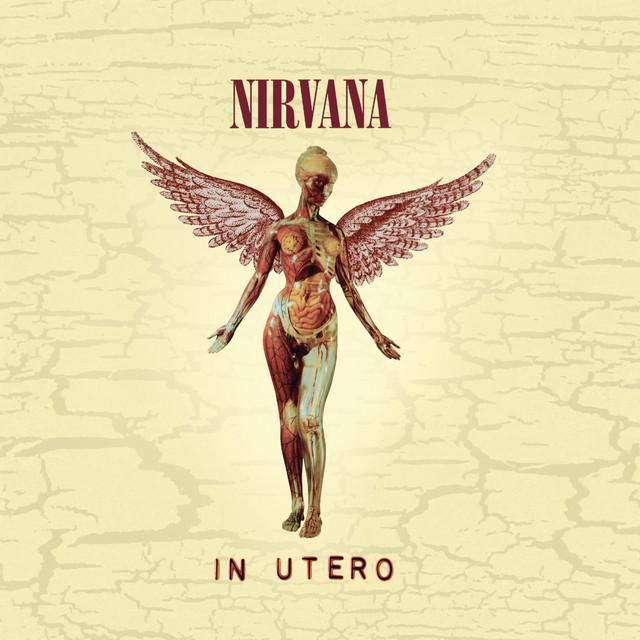
Factually, “Dumb” was written by Cobain and appeared on In Utero, released on September 21, 1993. The album version was recorded at Pachyderm Studios with producer Steve Albini, and it includes a cello part by Kera Schaley. Critics and historians often note its softer, pop-leaning shape within an otherwise abrasive album.[1]
Watch the official Dumb
music video
What the song is really saying
A clear reading is that the narrator feels cut off from other people but tries to survive by acting okay. Early lines like I'm not like them
and I can pretend
suggest someone who feels like an outsider and knows they are performing normalcy.
That leads to the song’s central tension: is the speaker truly foolish, or just relieved to stop overthinking? The famous refrain, I think I'm dumb
, is immediately complicated by maybe just happy
. That shift matters. The song does not firmly choose one answer.
Interpretation: this can be heard as self-mockery from someone who cannot trust simple happiness. If they feel good, they suspect it must come from ignorance, denial, or numbness rather than peace.
Cobain himself offered one factual clue in a 1993 Melody Maker interview, saying the song was about people who are “easily amused” and happy despite limited lives.[2] Even so, the lyrics are open enough that many listeners hear more than social observation. They hear self-judgment too.
Outsider, mask, and false comfort
One reason the song lasts is that it never sounds preachy. Instead of attacking “dumb” people from a distance, it blurs the line between observer and subject. The narrator may be describing others, but they also seem trapped inside the same mindset.
That is why the opening feels so important. The speaker does not fit in, yet they imitate belonging. The emotional logic is easy to follow:
- They feel different.
- They fake ease.
- They chase relief.
- They question whether that relief is real.
That pattern turns the song into more than a character sketch. It becomes a portrait of someone who wants comfort but mistrusts the cost.
The drug imagery under the surface
The second verse makes the song darker. Phrases like My heart is broke
and Help me inhale
tie emotional damage to a possible chemical escape. The mention of glue makes the image even more uneasy, pointing toward inhalants or, at minimum, a crude way of trying to repair what is broken.
Interpretation: the verse can be read literally as drug imagery, but it also works metaphorically. The speaker wants another person to help patch up pain, even if the fix is temporary and unhealthy.
The floating and coming down deepen that reading. The song describes a brief high, then an aftermath. Instead of healing, there is only a cycle: lift, drift, crash. That pattern fits intoxication, but it also fits unstable happiness in general.
A bridge built from fragments
The bridge is one of the most cryptic sections in Nirvana’s catalog. Its clipped images move fast and refuse a clean narrative.
Wish away
The soul is cheap
Even in this small moment, the song sounds exhausted. Wishes replace action. The soul becomes something devalued. Burns need soothing, and someone has to be woken up. The ideas feel dreamlike, but the emotional direction is clear: escape has consequences.
Interpretation: this section may represent the mental blur after a high, or the emptiness that follows any attempt to numb pain rather than face it.
Why the music changes the meaning
The arrangement is a huge part of why the meaning of Dumb Nirvana feels so affecting. Rather than exploding into loud grunge catharsis, the song stays restrained. Albini later recalled changing Dave Grohl’s bass drum on the track to get a more bouncy, jazzy feel, which helps explain why the rhythm feels light even when the lyrics do not.[1]
The cello is especially important. Schaley’s part adds sadness without melodrama. It turns the song into something close to chamber pop, and that softness makes Cobain’s voice sound more exposed. There is nowhere to hide behind distortion.
This contrast is the song’s secret weapon: the prettier it sounds, the more unsettling the words become. Listeners are invited in by melody, then left to sit with confusion and hurt.
Context inside Nirvana’s career
“Dumb” also matters because it shows a different side of Cobain’s writing. Though Nirvana were famous for loud-quiet dynamics, this song leans into melody and understatement. Early versions existed before In Utero, and the track later became a highlight of MTV Unplugged in New York, where its acoustic setting proved how strong the composition was without studio force.[1]
That history matters because it shows Cobain was not only a writer of rage. He could also write with tenderness, irony, and emotional ambiguity. “Dumb” captures all three at once.
The best way to understand it
The strongest reading is that “Dumb” is about the uneasy appeal of numb happiness. It asks whether feeling less might make life easier, and whether that ease is worth the loss of self-awareness.
Cobain’s own comment about “easily amused” people gives one factual anchor.[2] But the song endures because it also sounds like a private confession. It can be social critique, self-portrait, or a drug-song warning at the same time.
That openness is why the track still resonates. It does not solve the problem it raises. It just lets listeners hear how close happiness, denial, and damage can sometimes sound.
Disclaimer: Song meanings are interpretive. While this article uses documented context, any reading of “Dumb” remains an informed interpretation rather than a single definitive answer.







