Why 'Pennyroyal Tea' Feels Like a Slow Collapse
The meaning of Pennyroyal Tea Nirvana starts with a voice that sounds worn out before the first chorus even lands. The song does not tell a neat story. Instead, it piles up body symptoms, bitter humor, and thoughts of escape until the listener feels trapped inside one person’s failing energy.
"Pennyroyal Tea" - Nirvana
I have very bad posture
Sit and drink Pennyroyal Tea
Loading lyrics...
Unable to load lyrics
We're unable to display the lyrics at this time. Please try again later.
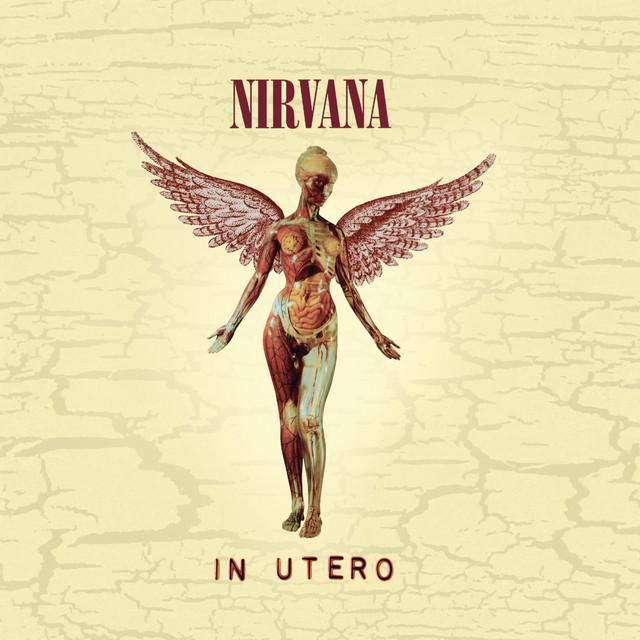
Factually, “Pennyroyal Tea” was written by Kurt Cobain and released on In Utero in 1993. It was recorded at Pachyderm Studios with Steve Albini, and later remixed by Scott Litt for a planned single that was canceled after Cobain’s death, according to the documented release history at Wikipedia.
The Heart of the Song Is Depression, Not Mystery
If listeners want the clearest key to the song, Cobain gave one. In a 1993 interview summarized by Wikipedia, he said the song was about a person who was “beyond depressed” and essentially lying on their deathbed. That matters because it keeps the interpretation grounded.
So when the narrator asks to sit and drink Pennyroyal Tea
, they are not simply describing a beverage. They are reaching for some kind of purge, cure, or exit. The repeated image sounds calm on the surface, but the calm is deceptive.
Interpretation: the tea becomes a symbol for wanting to empty the self out. The phrase distill the life
turns that desire into something almost chemical, as if pain could be boiled down and removed.

Watch the official Pennyroyal Tea
music video
A Body in Pain, a Mind in Freefall
One reason the lyric feels so unsettling is that it ties emotional collapse to physical misery. The narrator mentions posture, sleep, stomach remedies, and weakness. These details make the song feel less abstract than many rock songs about sadness.
When they say I’m so tired I can’t sleep
, the line captures a familiar depressive loop: total exhaustion mixed with total restlessness. The song also mentions warm milk, laxatives, and antacids, which turns the room into a kind of sickbed.
Cobain’s own long-documented stomach pain is relevant here, and he admitted that experience “rubbed off” on the song, as noted in the same interview summary at Wikipedia. That does not make the song purely autobiographical, but it explains why the suffering feels so specific.
What the Chorus Really Suggests
The chorus is memorable because it sounds almost ritualistic. The repeated request to drink the tea, followed by anemic royalty
, mixes illness with status. “Royalty” usually implies power, but “anemic” drains it of strength.
Interpretation: this could be Cobain mocking the idea of rock-star importance. By the time In Utero arrived, Nirvana were one of the biggest bands in America, yet this song presents a speaker who feels weak, pale, and emptied out. In that reading, “royalty” is hollow prestige.
It can also be heard more personally. The narrator may feel both grand and useless at once, like someone who knows their pain is dramatic but cannot stop living inside it.
The Leonard Cohen Line Opens a Darker Door
The strangest image may be the request for a Leonard Cohen afterworld
. It is funny, bleak, and strangely elegant. Cobain said he listened to Cohen and read bleak literature when he was depressed, even though it made him feel worse, according to Wikipedia.
That helps explain the line. It is not just a cool name-drop. It imagines an afterlife shaped by sorrowful art, where sadness becomes permanent atmosphere.
Give me a Leonard Cohen afterworld
So I can sigh eternally
Paraphrased, the speaker is not asking for heaven. They are asking for an endless poetic sadness. That is what makes the line so revealing: even the fantasy of escape still sounds miserable.
Why the Sound Matters as Much as the Words
The studio version supports the lyric’s tension between fragility and violence. The song opens with a more restrained, almost folk-like feel, then hits harder in the chorus. David Fricke of Rolling Stone, quoted in the song’s reception history at Wikipedia, described that contrast as a quiet intro followed by a heavy, fuzzed-out surge.
That design mirrors the song’s meaning. The verses sound dazed and inward. The chorus sounds like the pain breaking through the skin.
Albini later said the track took more takes than most of the album, and that Dave Grohl’s bass drum was changed to give it a more “bouncy, jazzy” sound, as documented at Wikipedia. Those details matter because the rhythm gives the song an uneasy lift. It never fully sinks, which makes the despair feel even more unstable.
The Unplugged Version Shows the Song’s Bare Bones
A big part of the song’s legacy comes from Nirvana’s 1993 MTV Unplugged performance, where Cobain played it alone. It was the only solo performance in that set, according to Wikipedia.
Without the full band, the song loses some rage and gains more loneliness. The melody stands out, and so does the narrator’s frailty. For many listeners, that performance makes the meaning of Pennyroyal Tea Nirvana feel even clearer: this is a song about someone trying to survive their own mind and body, while half-imagining disappearance as relief.
Final Take on Its Meaning
So, what is the meaning of Pennyroyal Tea Nirvana? Most clearly, it is a portrait of deep depression described through sickness, self-disgust, and darkly comic symbols of cleansing. The tea, the medicines, and the afterworld all point toward one wish: to remove pain, even if that removal sounds dangerous.
Interpretation disclaimer: song meaning is never fully fixed, and listeners may hear themes of abortion, addiction, fame, or self-erasure differently. But the strongest evidence from Cobain’s own comments and the song’s imagery points to emotional collapse as its center.







