What "Rape Me" by Nirvana Really Means
The meaning of Rape Me Nirvana has been debated for decades, mostly because the title is so confrontational. But the clearest place to start is with Kurt Cobain’s own explanation: he described the song as anti-rape and said it was written from the victim’s perspective. That blunt framing shaped both the song’s power and the backlash around it.
"Rape Me" - Nirvana
Rape me, rape me again
I'm not the only one, ah-ah
Loading lyrics...
Unable to load lyrics
We're unable to display the lyrics at this time. Please try again later.
A Title Meant to Shock, Not to Endorse
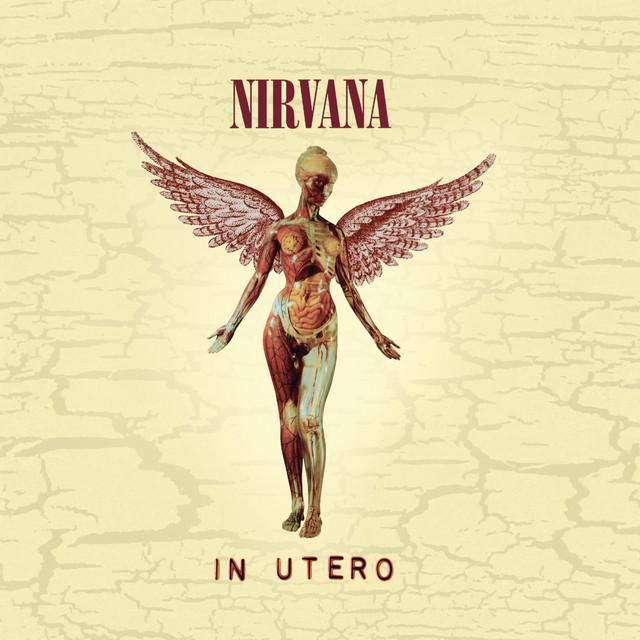
Factually, “Rape Me” was written by Kurt Cobain and released on In Utero in September 1993, with Steve Albini producing the album sessions in February 1993. It later appeared as a double A-side single with “All Apologies” in December 1993. Those details are widely documented in sources such as Wikipedia.
Cobain also explained the song’s intent in interviews. In Spin, he said it came from the viewpoint of someone refusing to be spiritually destroyed by violence. In Rolling Stone, he described a victim defiantly telling an attacker to get it over with because justice would eventually come back on him. Those comments matter because they separate the song’s language from its message.
So, at its core, the song is not inviting harm. It is using extreme words to show rage, endurance, and a refusal to be erased.
Watch the official Rape Me
music video
The Chorus Turns Pain Into Defiance
The chorus is simple, repetitive, and hard to forget. That is part of why the song caused so much alarm. But repetition here works like a taunt, not a surrender.
When Cobain repeats rape me
and then follows it with I’m not the only one
, the song broadens from one victim to many. It suggests that sexual violence is not rare or isolated. In that sense, the hook sounds like both testimony and accusation.
I’m not the only one
I’m not the only one
That brief refrain is the emotional key to the song. It shifts the meaning from private suffering to shared experience. Interpretation: this is why the song can feel like a protest chant buried inside a grunge single.
The Verses Push Back Against Violation
The lyrics do not tell a detailed story with clear scenes. Instead, they pile up damaged, ugly images to create a feeling of violation and disgust. Phrases like Hate me
and Waste me
sound like the speaker is throwing an abuser’s cruelty back in his face.
Then the bridge gets even nastier. Lines such as My favorite inside source
and You’re gonna stink and burn
seem to move beyond assault into betrayal, infection, rot, and revenge. Biographer Michael Azerrad and others have linked this section to Cobain’s anger at media intrusion surrounding him, Courtney Love, and their family, especially after tabloid-style scrutiny in 1992. That reading does not cancel the anti-rape meaning. It suggests the song may widen into a broader attack on exploitation itself.
Interpretation: the song can be heard in two layers:
- A direct anti-rape statement from a victim’s perspective.
- A larger statement about being used, invaded, or publicly violated.
Both readings fit the song’s language and history.
Why the Music Feels So Unsettling
Part of the meaning comes from the sound. Critics have long pointed out that the riff and soft-loud dynamic resemble, or even invert, “Smells Like Teen Spirit.” Pitchfork and other writers have noted that similarity, while Charles R. Cross described it as another example of Cobain’s catchy but disturbing style.
That familiarity is important. The music begins in a way that feels almost recognizable, then turns harsher and more uncomfortable. Albini later said Cobain’s screaming at the end was recorded to overwhelm the band and become an unpleasant presence, a choice mentioned in accounts of the session and album history.
That production choice supports the song’s subject. The listener is not supposed to feel clean or safe by the ending. The performance makes the emotional wound audible.
Why the Song Caused So Much Controversy
The song’s reputation is tied to how people reacted to its title. According to reporting summarized in Wikipedia, MTV resisted a full performance of it at the 1992 Video Music Awards, worrying it could look like the network was normalizing rape. Major retailers also objected to the title, leading to the censored In Utero packaging that renamed it Waif Me
while leaving the actual recording unchanged.
That conflict says a lot about the song. Cobain wanted language so blunt that, in his view, no one could miss the point. Yet many people still focused on the surface shock first. That gap between intention and reception is central to the song’s legacy.
Some critics praised the song’s force. Others argued its bluntness was risky or too easy to misunderstand. Both reactions make sense. The track is designed to be hard to sit with.
The Lasting Meaning of Rape Me Nirvana
Today, the meaning of Rape Me Nirvana still rests on that tension between directness and discomfort. Factually, Cobain said it was anti-rape. Artistically, the song goes further, turning trauma into confrontation and private pain into a public warning.
Its repeated hook, ugly imagery, and abrasive ending all work toward the same idea: violence may wound a person, but it does not grant moral victory to the attacker. Interpretation: that is why the song still lands as one of Nirvana’s most disturbing and defiant recordings.
They made a song that refuses politeness because the subject does not deserve politeness.
Disclaimer: Song meaning is always part fact and part interpretation. Cobain’s comments provide the strongest guide here, but listeners may still hear additional layers based on the lyrics, performance, and historical context.







