Why "Famous Hoes" Feels Empty Under the Flex
The meaning of Famous Hoes NLE Choppa becomes clearer when they listen past the shock value. On the surface, the song sounds like a hard street anthem full of threats, ego, and reckless energy. Under that surface, though, it also sounds like a young artist describing a life where fame, romance, drugs, and grief all blur together.
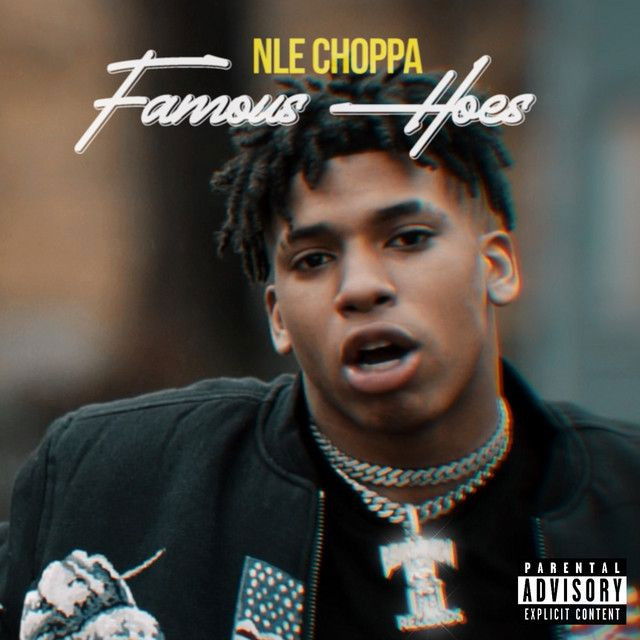
"Famous Hoes" - NLE Choppa
Oh, no
Oh, no, oh
Loading lyrics...
Unable to load lyrics
We're unable to display the lyrics at this time. Please try again later.
NLE Choppa broke out fast with viral singles before later projects like Top Shotta and Me vs. Me expanded that image. "Famous Hoes" belongs to that early run of records that built his reputation for raw, aggressive delivery and volatile storytelling. Factually, the song is one of the singles listed in his discography, and the credited writers include Akash Chandani, Alessia De Gasperis Brigante, Alex Christian Jean Petit, and Bryson Potts, Choppa’s real name.
The Core Idea Behind the Chaos
At its heart, the song is about emotional emptiness hiding inside power and attention. The hook centers on a short, bitter image: make her famous
, then get blocked. Paraphrased, the narrator says he can boost someone’s status, but that still does not lead to loyalty or love.
That is why the song feels colder than a normal flex track. They are not celebrating fame as something healing. Instead, fame looks temporary and transactional, especially in relationships.
Interpretation: The title itself sounds mocking, but the deeper target may be the whole culture around clout. In this reading, the song is less about one woman and more about a world where everybody uses everybody.

Watch the official Famous Hoes
music video
Grief, Pills, and Numbness
One of the most revealing moments is the line about hearing that friends died and nearly losing a heartbeat. That detail interrupts the bragging and adds real pain. The song does not stop to mourn for long, but that may be the point.
They move right from loss into references to Percs and Roxys, with the phrase need to slow down
acting like a rare moment of self-awareness. Instead of sounding reflective for long, the song quickly rushes back into threats and bravado.
Interpretation: This pattern suggests emotional survival by numbness. Rather than process death directly, the narrator buries it under drugs, movement, and violence. That makes the record feel unstable, as if every boast is also a defense mechanism.
A Voice Trapped in Survival Mode
The verses speak in a first-person voice, but the world around that voice feels crowded by enemies, weapons, and fading affection. Even lines about being high or choosing which car to drive do not sound luxurious. They sound disoriented.
That matters for the meaning of Famous Hoes NLE Choppa because the song’s confidence is never calm. It is jumpy, reactive, and always ready for conflict. When the narrator says don’t kill my vibe
, the phrase is not peaceful. It is a warning.
Three story beats that shape the song
- A shallow relationship collapses almost as soon as status enters it.
- News of death and heavy drug use reveal emotional strain.
- The song ends in full street-war posture, where retaliation replaces reflection.
Taken together, those beats show someone who treats danger as normal because normal life no longer feels available.
How the Hook Reframes the Song
The chorus is catchy, but it is also cruel. By repeating the idea that he can elevate someone socially and still lose them, the song turns fame into something hollow. The emotional message is not, “They all want me.” It is closer to, “Even with influence, nothing lasts.”
That refrain also sharpens the contrast with the violence in the verses. The song jumps from romantic disappointment to street threats so fast that both begin to feel linked. Rejection, grief, and aggression all sit in the same emotional register.
looking for your love
feelings is departin'
This brief moment matters because it strips away some of the armor. Even in rough language, they admit that love is missing and emotional distance keeps growing.
The Symbols That Keep Repeating
Several motifs drive the song:
- Fame as currency: attention can raise someone’s profile, but not create trust.
- Weapons as identity: guns are not just tools here; they signal status, power, and constant alertness.
- Drugs as escape: pills and intoxication suggest a need to mute pain.
- The street as fate: the environment feels closed off, as if violence is the expected outcome.
When the lyrics mention being in the trenches or the “choppa house,” they create a myth around survival. But that myth is ugly, not glamorous. It traps the narrator in a cycle where toughness is the only visible language.
Why the Beat Matters So Much
Production is key to the song’s meaning. The beat, tagged by CashMoneyAP, uses a dark, minimal trap style that leaves space for Choppa’s forceful attack. The drums hit hard, and the instrumental does not soften the lyrics. Instead, it makes everything feel more immediate.
That sparse aggression matters because it mirrors the emotional content. There is little warmth in the mix, and that helps the song communicate paranoia and hardness. Even when the hook is memorable, the sound underneath it feels tense.
Choppa’s delivery also shifts meaning. He raps with urgency, often sounding like each line is being pushed out in the moment rather than calmly planned. That style makes the song feel lived-in, even when the lyrics exaggerate for effect.
A Final Read on What It Means
So, what is "Famous Hoes" really saying? The strongest reading is that it shows a life where fame cannot fix loneliness, violence has become routine, and grief gets turned into aggression before it can become healing. The song sells intensity, but it also reveals damage.
That is what gives the meaning of Famous Hoes NLE Choppa its edge. It is not only about women or status. It is about emotional emptiness inside a world built on clout, danger, and survival.
Disclaimer: This article offers an interpretation of the song based on its lyrics, performance, and public context. Meanings can vary from listener to listener.








