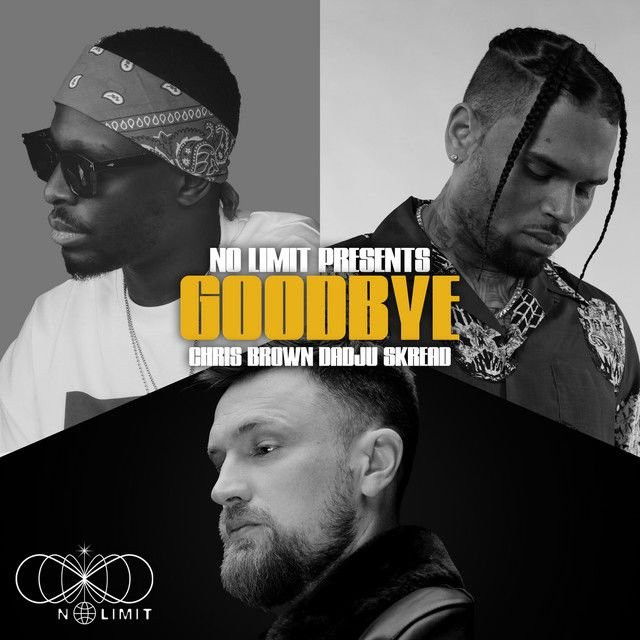
Goodbye by No Limit, Dadju, Chris Brown, Skread
They came for a late-night vibe and left with a confession. This breakdown looks at the meaning of Goodbye No Limit, Dadju, Chris Brown, Skread—how a bilingual R&B plea turns heartache into a hook you can’t shake.
"Goodbye" - No Limit, Dadju, Chris Brown, Skread
T'es partie sans que je puisse te dire
À quel point tu comptais pour moi
Loading lyrics...
Unable to load lyrics
We're unable to display the lyrics at this time. Please try again later.
A Heart Left Empty: The Core Message
At its center, Goodbye is a story of regret after a relationship ends. The French verses sit in mourning: an empty room where love used to live. When the narrator admits their heart feels mon cœur totalement vide
, they’re naming the hollow that follows loss. The chorus strips language down to what’s left: just a fragile goodbye, bye
.
Interpretation: The song argues that closure isn’t clean. Even when the end is clear, memory keeps bargaining. The speaker wants to rewind time, but the only sentence they can finish is farewell.
Watch the official Goodbye
music video
Who’s Speaking, and Why It Hurts
The viewpoint is first person, talking to someone who has left. The repeated question tu es où?
captures the shock of absence—half a search, half a denial. Guilt sharpens the ache: the narrator admits they stayed resté froid
, too distant when warmth was needed.
Interpretation: This coldness signals emotional neglect. The loss isn’t only that love ended; it’s that the speaker sees how their own detachment helped ruin it. That self-blame deepens the sorrow.
From Grief to Heat: The Two-Voice Tension
Dadju’s French verses dwell on memory, emptiness, and regret. Then Chris Brown enters with a slick, sensual pivot—flirting with the present, teasing escape and contact. Lines like I see through you
and unfinished business
flip the mood from mourning to desire.
Interpretation: This is the song’s key tension. One voice clings to the past and pain; the other reaches for the body and now. Together, they mirror how breakups really feel—oscillating between “we’re over” and “maybe one more night will fix it.”
How the Sound Sells the Story
Goodbye rides a mid-tempo groove with smooth pads, airy reverb, and restrained trap drums. The bass is warm but not heavy, making room for close-mic vocals that feel whispered in your ear. That intimacy suits grief and seduction at once.
The bilingual structure also works musically. French vowels stretch across melodies with a plaintive tone, while the English verse tightens the rhythm into short, percussive phrases. Call-and-response ad-libs in the hook keep the emotion circling, as if the narrator can’t stop rehearsing the same goodbye.
What the Chorus Really Means
The refrain repeats the admission that the heart is empty and that only farewell remains. By anchoring the hook to goodbye, bye
, the writers make finality catchy—and therefore inescapable. Each return to the chorus feels like checking a locked door again, hoping it might open this time.
Interpretation: The hook tells them (and us) that words can’t repair what silence broke. Naming goodbye is the first honest act after indecision.
Symbols and Motifs You Might Miss
- Coldness: Being
resté froid
symbolizes emotional shutdown, the opposite of touch and warmth. - Searching: The refrain’s
tu es où?
is both literal and metaphorical—looking for a person and for the self that existed with them. - Cinema: Talk of making a “movie” and “deleted scenes” frames love as a narrative they tried to edit. In the end, the cut footage is all that remains.
Context and Craft: Where France Meets U.S. R&B
Written by Christopher Maurice Brown, Dadju N’Singula, and Mathieu Le Carpentier, the track folds Francophone pop feeling into sleek American R&B. The melodic toplines favor simplicity over runs, leaving space for the bilingual interplay. Production choices—wide synths, softened transients, and spacious delays—underline distance, while the close vocal mix keeps the confession personal.
Interpretation: Skread’s touch leans atmospheric, which amplifies the song’s late-night mood. The result is a cross-cultural breakup ballad that feels familiar yet fresh to U.S. ears.
Alternate Readings You Might Hear
- Interpretation 1: A metaphorical “death” of the relationship. The speaker’s coldness “lets it die,” and the song is a eulogy to what they could have been.
- Interpretation 2: An inner debate. Dadju voices grief and guilt; Brown embodies impulse and denial. The track becomes one person’s argument with themselves.
Takeaway
The meaning of Goodbye No Limit, Dadju, Chris Brown, Skread lands in the clash between remorse and desire. They can’t undo the past, and the only honest word is goodbye—but the body still remembers. That friction makes the song linger.
Disclaimer: Lyrics and interpretations are subjective. This analysis offers one informed reading based on the recording and credited writers.








