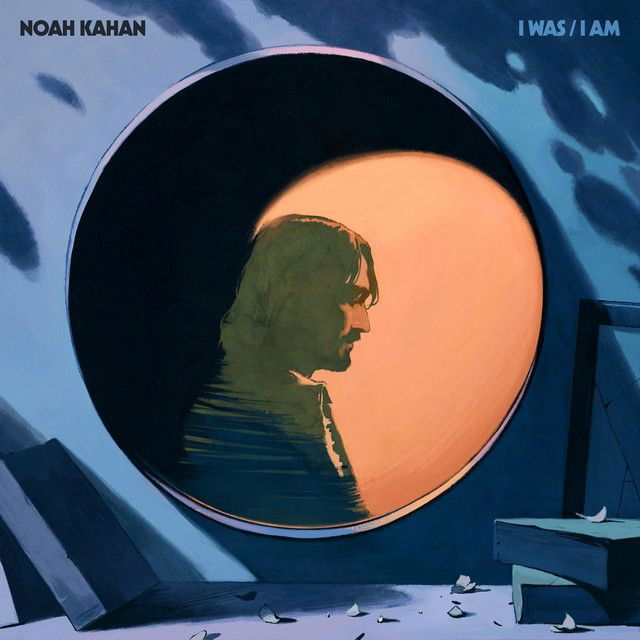
Bad Luck by Noah Kahan
Why This Song Hurts So Much
The meaning of Bad Luck Noah Kahan centers on a painful question: if someone has a troubled past, can they still be loved without conditions? The song presents a speaker who is trying to rebuild their life, but who still fears they will always be seen as damaged.
"Bad Luck" - Noah Kahan
That I got older?
That I got that tattoo off my shoulder
Loading lyrics...
Unable to load lyrics
We're unable to display the lyrics at this time. Please try again later.
That tension drives every section. They imagine change, growth, and even recovery, yet they cannot stop asking whether any of it is enough. The result is one of Noah Kahan’s sharpest portraits of self-blame.
Watch the official Bad Luck
music video
A Song About Shame, Not Just Romance
On the surface, the track sounds like a conversation with a partner or ex. The speaker asks whether this person would accept them if they got healthier, steadier, and easier to love. But under that relationship story is a deeper struggle with identity.
They are not only worried about losing someone. They are worried that they are, at the core, bad luck
. That phrase matters because it turns mistakes into fate. Instead of saying they did bad things, the speaker suggests they bring trouble with them.
Interpretation: This is what gives the song its sting. The speaker is not asking for simple forgiveness. They are asking whether they can ever escape the story they tell themselves.
The Verses Build a Case for and Against Themself
The opening verse imagines personal change. The speaker wonders whether sobriety, age, and visible signs of growth would finally make them lovable. They want redemption, but they also suspect that love based only on improvement would be fragile.
The next lines turn darker. They ask what happens if the truth is less flattering: if they are struggling, unstable, or hard to be around. In other words, would love survive the worst version of them, not just the polished one?
That is why short phrases like got sober
and would you love me then
hit so hard. They are not bragging about progress. They are testing whether love depends on performance.
The Chorus Turns Insecurity Into Identity
The chorus is where the song’s meaning becomes brutally clear. It moves from fear into self-definition. The speaker recalls believing they might die young
, then collapses that fear into the repeated claim that they are cursed in some way.
This is more than drama. Repetition makes the chorus sound like a thought loop. The hook does what intrusive thinking often does: it reduces a whole life to one cruel label.
I'm bad luck
I'm bad luck
I'm bad luck
Because the line comes after confessions about burnout and drinking, the song links self-harm, regret, and fatalism. The speaker does not just think they make bad choices; they think they poison whatever they touch.
How Noah Kahan’s Style Shapes the Meaning
Kahan’s work often blends small-town detail, emotional candor, and folk-pop energy. Songs across Stick Season and related releases often focus on mental strain, memory, and the need to be understood. “Bad Luck” fits that world, even as it feels especially blunt.
The production helps. Rather than sounding hushed or distant, the song pushes forward with a firm pulse and a strong singalong structure. That matters because the arrangement creates a contrast: the music is accessible and even anthemic, while the lyrics are full of disgust and fear.
Interpretation: That contrast mirrors how people often hide distress in charm, humor, or momentum. The speaker sounds functional enough to keep moving, but emotionally they are spiraling.
Images of Damage and Exhaustion
Several recurring images sharpen the song’s themes:
- Sobriety and relapse language suggest an unstable path toward healing.
- Nighttime exhaustion points to overthinking and emotional burnout.
- The body appears as something marked, worn down, or in need of repair.
- Language and distance show how hard love feels to understand and receive.
One especially revealing idea is that love feels unfamiliar, almost untranslatable. That suggests the speaker is not simply unloved; they may not know how to trust love when it appears.
Another key phrase is doing everything that I can
. That line does not erase the earlier self-judgment, but it adds urgency and effort. They are not proud of their past, yet they are still trying to be better than it.
Is the Song Asking for Forgiveness?
Partly, yes. But it also asks for recognition. The speaker wants someone to see both truths at once: they have caused pain, and they are still worth care.
That is why the song avoids a neat ending. It does not claim recovery is complete or that love has been restored. Instead, it stays in the hard middle, where a person knows they need help but is unsure whether anyone can separate them from their worst moments.
According to official credits, the song was written by Gregg Wattenberg, Kellen Pomeranz, and Noah Kahan. That polished writing team shows in the track’s balance of conversational detail and sticky chorus writing.
The Lasting Meaning of "Bad Luck"
The meaning of Bad Luck Noah Kahan is ultimately about the fear of being unfixable. It turns guilt into a relationship question: if someone sees the full mess, do they stay or go?
What makes the song resonate is that it never treats healing as simple. The speaker wants grace, but they also cannot stop accusing themself. That conflict makes “Bad Luck” feel less like a breakup song and more like a portrait of a person begging not to be defined by their lowest seasons.
Disclaimer: This interpretation is based on the released lyrics, credited songwriting, and publicly available artist context. As with any song, listeners may hear different meanings.








