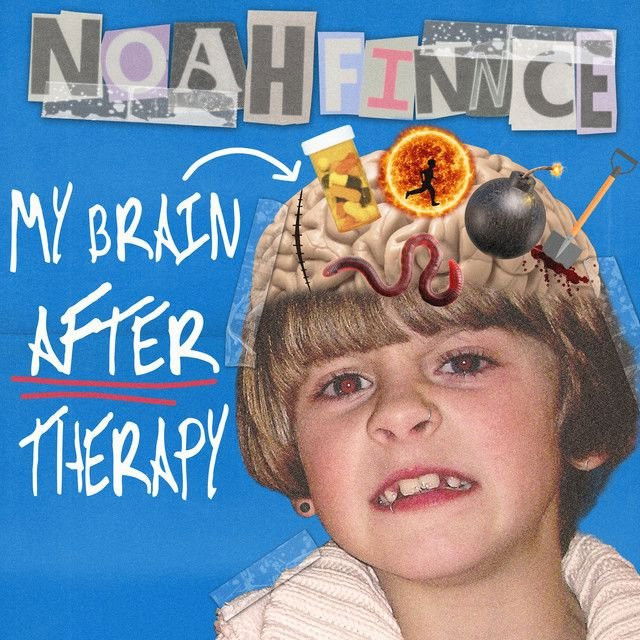
Why NOAHFINNCE’s ‘TELL ME THAT YOU’RE OKAY’ Hurts
The meaning of TELL ME THAT YOU’RE OKAY NOAHFINNCE comes down to one painful idea: they show how caring for other people can turn into a way of avoiding their own pain. The song is fast, sharp, and funny in spots, but its real subject is emotional dependence.
"TELL ME THAT YOU’RE OKAY" - NOAHFINNCE
If you figure out your shit then I'll forget mine
Tell me that you're okay and I'm fine
Loading lyrics...
Unable to load lyrics
We're unable to display the lyrics at this time. Please try again later.
NOAHFINNCE has built a style that mixes pop-punk energy with blunt, online-era honesty, as seen across their official releases and artist profiles from Hopeless Records and Spotify. Here, that approach fits the topic perfectly. The song sounds loud and restless because the narrator’s mind is loud and restless too.
The Song’s Core Wound Is Codependency
At its center, the song is about a person who feels okay only when someone else is okay. The hook says this directly with tell me that you’re okay
. In plain terms, they want another person’s stability to calm their own chaos.
That is why the repeated idea feels so desperate instead of comforting. The narrator is not just asking for reassurance. They are outsourcing their emotional balance.
The lyric codependent crisis
is unusually direct. Rather than hiding behind vague imagery, the song names the pattern. That bluntness gives it force: they know what is happening, but knowing does not mean they can stop it.

Watch the official TELL ME THAT YOU’RE OKAY
music video
How the Verses Trace the Pattern
The verses build a backstory for that emotional habit. Early lines point to a fractured home life, including child of divorce
. That does not automatically explain everything, but it suggests a childhood where instability became normal.
From there, the song moves into a mindset where the narrator believes they must repair what is broken. When they insist they can fix things, the point is not confidence. It sounds more like panic dressed up as responsibility.
Another key line is adult problems, just a kid
. That phrase captures the song’s emotional timeline in miniature. They may be older now, but part of them still feels stuck in a role they learned young: manage the crisis, protect others, and ignore the self.
When Humor Covers Real Pain
One of the most striking parts of the song is how it uses dark humor. There is a moment where the narrator recalls seeing something deeply disturbing in childhood, then reacts with a joke.
That’s pretty funny right?
The point is not that the event was funny. The point is that joking becomes a defense. Interpretation: the song suggests humor is one of the narrator’s survival tools, a way to keep painful memories at a distance.
That also explains the track’s tone. It swings between sarcasm, confession, and anxiety. Instead of feeling inconsistent, that mix feels true to someone who has learned to laugh before they fully process what hurts.
The Chorus Turns Care Into Escape
The chorus is where the meaning of TELL ME THAT YOU’RE OKAY NOAHFINNCE becomes clearest. The narrator says, in effect, that if another person sorts out their life, then they can forget their own mess.
That is an important difference. They are not simply being compassionate. They are using someone else’s crisis as a distraction from their own.
The later line about trying to separate their mess while cleaning up another person’s adds to this. Interpretation: the song argues that “helping” can become a kind of emotional control. If they can organize someone else’s pain, maybe their own pain will feel less overwhelming.
Sound and Production: Why It Feels So Urgent
The songwriting credits provided for the track list Noah Adams, RORY, and Stefan Abingdon as writers. That collaborative setup makes sense because the song balances diary-like detail with a strong, chant-ready chorus.
Musically, it leans into pop-punk and alternative rock traits: fast momentum, punchy drums, sharp guitar edges, and a vocal delivery that sounds half-spoken in places and fully cracked-open in others. Even without overcomplicated production details, the arrangement communicates stress.
The energy matters. A slower version might sound reflective. This version sounds trapped in motion. That supports the theme of overthinking, emotional spiraling, and trying to stay busy enough not to feel everything at once.
Two Strong Readings of the Lyrics
Reading One: A Portrait of Trauma Habits
The most grounded reading is that the song maps how childhood instability can shape adult relationships. The narrator seems to have learned that love means crisis management. In that reading, the song is about repeating an old role long after it stopped being healthy.
Reading Two: Self-Awareness Without Relief
A second reading is that the song is about the frustration of being able to name a problem but not solve it. The lyrics are self-aware, even clinical at times, yet the chorus keeps circling back to the same need. They understand the trap. They are still inside it.
Why the Song Connects So Strongly
Part of the song’s power is how plainly it speaks. It does not dress up emotional dependence as romance or nobility. It shows the uglier truth: sometimes people help because they are scared to face themselves.
That honesty is what makes the track resonate. Many listeners will recognize the feeling of being the fixer, the stable one, or the person who confuses rescuing with love.
In the end, the meaning of TELL ME THAT YOU’RE OKAY NOAHFINNCE is not just about one unhealthy bond. It is about the deeper fear underneath it: if nobody else is okay, they might have to finally admit they are not okay either.
Disclaimer: This interpretation is based on the lyrics provided and publicly available artist context. Song meaning can be personal, and listeners may hear it differently.









