Why “Ghetto Angels” Hits So Hard
The meaning of Ghetto Angels NoCap starts with a simple but heavy idea: success does not erase grief. In this song, they present fame, money, and survival as things that happened alongside deep personal loss, not after it. The track is less about celebrating escape and more about carrying the dead forward.
"Ghetto Angels" - NoCap
Know it sound strange, but I'ma die for all my dead homies
Nobody really know how he feels
Loading lyrics...
Unable to load lyrics
We're unable to display the lyrics at this time. Please try again later.
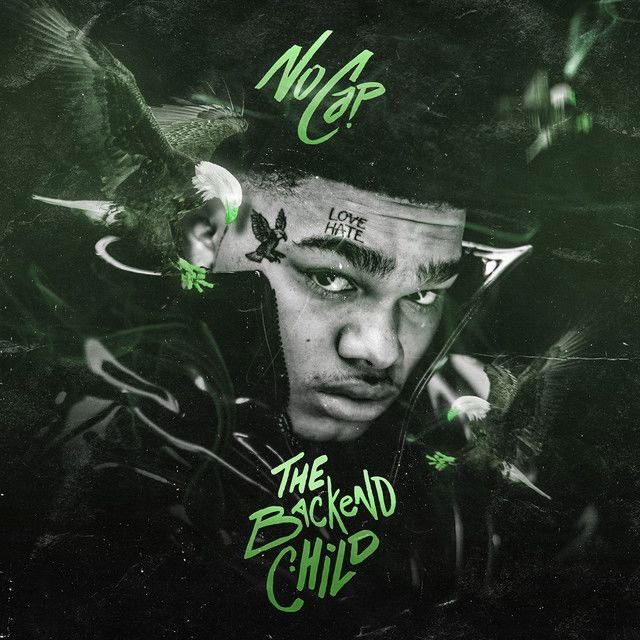
Released in 2019 as the lead single from The Backend Child, “Ghetto Angels” became NoCap’s breakout hit. That matters because the song sounds like an arrival story on the surface, but emotionally it is a mourning record. Even as their career rises, the voice in the song stays stuck in moments of death, guilt, and memory.
The Heart of the Song Is Grief That Won’t Move On
At its core, the song is about surviving when other people did not. NoCap frames that survival as painful, confusing, and even lonely. They do not act like healing is neat or fast. Instead, the verses show someone still asking questions, still angry, and still replaying losses.
When they say why did you leave?
, the point is not just heartbreak. It is the kind of question grief asks even when no answer can come back. The same goes for I really miss my dawgs
, a plain phrase that works because it sounds unfiltered, like something said in the middle of crying rather than written for effect.
Interpretation: the song’s power comes from how it refuses distance. It does not package pain into a lesson. It lets pain stay raw.
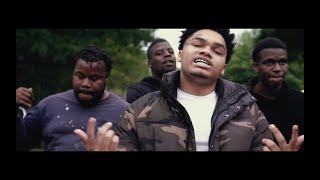
Watch the official Ghetto Angels
music video
A Chorus About Protection, Not Closure
The chorus gives the song its title image and its emotional twist. Instead of saying the dead are gone forever, NoCap imagines them as spiritual guards. The key phrase protected by these ghetto angels
turns loss into a form of presence.
That does not mean the pain is solved. It means they are trying to live with it. Calling the dead “angels” gives dignity and comfort, while keeping the word “ghetto” ties those spirits to the neighborhood, the streets, and the real conditions that shaped their lives.
I'm protected by these ghetto angelsI'm protected by the hood gangsters
Those lines connect the sacred and the street. The dead are remembered not as abstract souls, but as specific people from a specific place.
Scenes of Loss Make the Song Feel Immediate
One reason the meaning of Ghetto Angels NoCap lands so strongly is that the song uses concrete details. NoCap mentions friends and family by name, recalls deaths in sequence, and even describes medical aftermath and funeral imagery. These are not broad statements about hardship; they are snapshots.
That specificity creates two effects:
- It makes the grief feel lived, not performed.
- It shows how death keeps interrupting daily life.
A line like death brought me anger
matters because it tells the listener that sorrow has changed shape. The speaker is not only sad; they are hardened by repeated loss. Elsewhere, they admit to questioning God while failing to pray, which reveals spiritual conflict instead of certainty.
Interpretation: the song suggests that repeated trauma can damage faith without fully destroying it. They still speak toward heaven, even while doubting it.
Survivor’s Guilt Runs Under Every Verse
The song keeps returning to a painful question: why is the speaker still here when others are not? That feeling becomes survivor’s guilt. NoCap talks like someone who has made it out, yet cannot enjoy that success without feeling responsible to the people left behind.
When they reference getting rich and famous, the moment is not triumphant. It feels haunted. Success arrives at the same time that losses pile up, so achievement starts to feel morally complicated. The song also hints at self-medication and emotional numbing, showing that grief is not just memory; it changes behavior.
This is where the record becomes bigger than one story. It speaks to a wider reality in rap, where mobility and mourning often happen together.
The Sound Carries the Pain as Much as the Lyrics
Factually, “Ghetto Angels” is built on a piano-driven beat produced by Juse Dayne. That production choice is important. The piano gives the song a bare, elegiac feeling, while the drums stay restrained enough to leave room for the voice.
NoCap’s delivery sits between rapping and singing, which is perfect for this material. They sound like they are confessing, not just performing. Some lines come out almost conversationally; others stretch into melody, as if normal speech cannot hold the emotion.
The music video deepens that feeling. Its opening a cappella section, noted by critics, makes the song feel communal, like a neighborhood memorial instead of a solo statement. That fits the track’s larger message: grief here belongs to a whole circle, not just one person.
Artist Context Helps Explain Why It Resonated
NoCap said in a Genius interview, quoted by Wikipedia, that the song was later dedicated to a friend who died after hearing it. That detail adds real-world weight to a track already centered on loss. It helps explain why listeners treated it as more than another melodic street rap single.
The response was strong. Pitchfork included it among the best rap songs of 2019, and the song later reached Platinum certification in the United States. Reception like that suggests people heard something honest in it: not polished grief, but grief still happening.
Final Take on the Meaning
The meaning of Ghetto Angels NoCap is about carrying the dead as both wound and protection. The song shows grief as anger, guilt, prayer, memory, and survival all at once. Its lasting impact comes from that tension: they are broken by loss, but still moving under the watch of the people they loved.
Disclaimer: This interpretation is based on the lyrics, publicly available artist context, and the song’s production and reception. As with any art, listeners may hear it differently.








