Memphis Will Be Laid To Waste by Norma Jean
Why This Song Still Hits So Hard
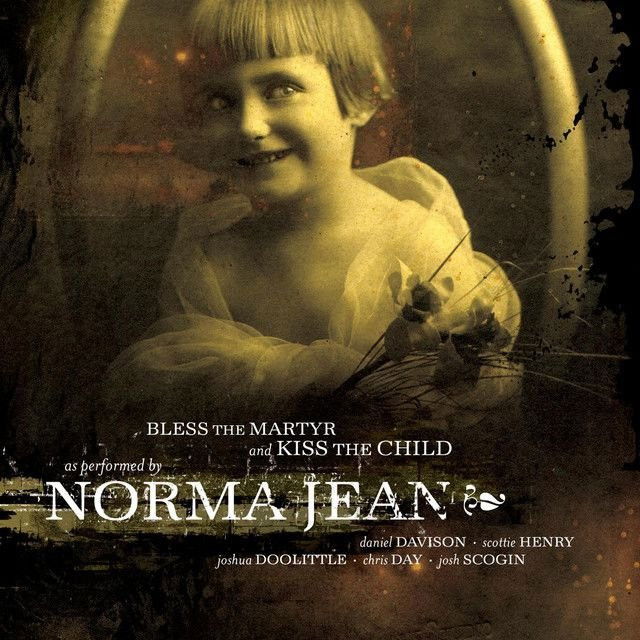
The meaning of Memphis Will Be Laid To Waste Norma Jean starts with contradiction. The song sounds furious, but it is also deeply wounded. It comes from Norma Jean's 2002 debut Bless the Martyr and Kiss the Child, a landmark heavy record released on August 13, 2002 and produced by Adam Dutkiewicz with the band. The album is widely associated with early metalcore, mathcore, and post-hardcore chaos, and it was recorded live with very few overdubs, which helps explain its raw feel.[^1]
"Memphis Will Be Laid To Waste" - Norma Jean
In your tuxedo suit
I'll give it a name
Loading lyrics...
Unable to load lyrics
We're unable to display the lyrics at this time. Please try again later.
On this track, that rawness matters. They use images of dancing, graves, fashion, regret, and fading devotion to describe a collapse. The song is not just angry at a person. Interpretation: it is angry at emptiness itself.

Watch the official Memphis Will Be Laid To Waste
music video
The Core Meaning Beneath the Violence
On the surface, the opening sounds like a threat. Phrases like lower defenses
and your murderer
create a scene of domination and destruction. But the song works better as metaphor than literal story.
The key line is mediocrity is the killer
. That turns the track away from physical violence and toward spiritual or emotional decay. In other words, the real enemy may be compromise, shallowness, or a life that has lost conviction.
Another crucial phrase is Christ is not a fashion
. That line gives the song one of its clearest targets: performative belief. They seem to reject faith worn as style, trend, or identity badge. Interpretation: the song attacks hollow religion and the way people can dress belief up while letting its substance die.
A Two-Part Song About Collapse and Regret
The first movement: accusation
The first section is harsh and blunt. It stages a twisted dance where one figure is trapped with the force destroying them. The image of waltzing in formal clothes adds irony. This is not messy collapse in the street. It is collapse dressed up to look elegant.
That contrast matters. The song suggests that ruin can look polished. A person can seem composed while their inner life is falling apart.
The second movement: memory
When Aaron Weiss enters, the track changes shape. Weiss, of mewithoutYou, is officially featured on the song.[^1] His part is more lyrical and reflective, filled with jewelry, color, cobblestones, and regret. The violence of the opening gives way to haunted aftermath.
Instead of pure confrontation, they hear a speaker replaying a failed connection. The line All I know now is regret
acts like the emotional answer to the earlier aggression. Rage was never the whole story. Loss was.
Symbols That Unlock the Lyrics
Dance, graves, and performance
The repeated dance imagery is important. A waltz is controlled, formal, and graceful. Pairing it with death imagery creates a vision of people moving beautifully inside something deadly. Interpretation: the song may be saying that false love, false faith, or social performance can become a ritual of self-destruction.
Fashion and faith
The line about Christ not being fashion is one of the song's clearest statements. It points to a world where sacred things become trends. In that reading, the song's cruelty is prophetic language: exaggerated, severe, meant to wake people up.
Gold, emeralds, and scarlet
The Aaron Weiss section fills the song with rich colors and objects. Those details make desire look expensive and refined, but they do not save the relationship. Beauty is present, yet everything is still broken. That gap between appearance and truth is central to the song.
Oh how seldom we belong
but how elegant our kiss
Those lines, quoted briefly, capture the problem. The bond feels beautiful, yet it does not feel secure or real.
How the Sound Carries the Meaning
Norma Jean's debut was recorded with a live, almost no-overdub approach, and the booklet stated it was made without computers.[^1] That matters because Memphis Will Be Laid To Waste feels unstable in a human way. The guitars lurch, the drums push forward, and Josh Scogin's vocals sound more like rupture than performance.
Then the song opens up for Weiss's contribution, adding a different texture. His spoken-sung cadence does not calm the song so much as deepen it. It turns destruction into mourning.
This is why the track became one of the band's signature songs and even received a music video that aired on Uranium and Headbangers Ball.[^1] It is heavy, but it is also cinematic.
A Few Strong Interpretations
There is no single official explanation attached to every image, so the best readings should stay modest.
- Interpretation: a critique of shallow Christianity. The direct line about fashion supports this strongly.
- Interpretation: a breakup told through spiritual language. The regret, beauty, distance, and unanswered question in the second half support this too.
- Interpretation: both at once. The song may blur failed romance and failed devotion, showing how people confuse love, image, and belief.
That third reading is often the most convincing because the song keeps personal and spiritual damage tightly linked.
Why the Song Endures
The meaning of Memphis Will Be Laid To Waste Norma Jean lasts because the song refuses easy separation between faith, identity, and desire. They present collapse as something theatrical, intimate, and self-inflicted all at once.
Its harshness is the point. The track sounds like a warning against living beautifully on the outside while something essential dies underneath.
Disclaimer: This article offers interpretation based on the lyrics, recording context, and available historical sources. Song meaning can remain open, and different listeners may hear it differently.
[^1]: Factual details summarized from the album's documented release, personnel, production, and reception history.







