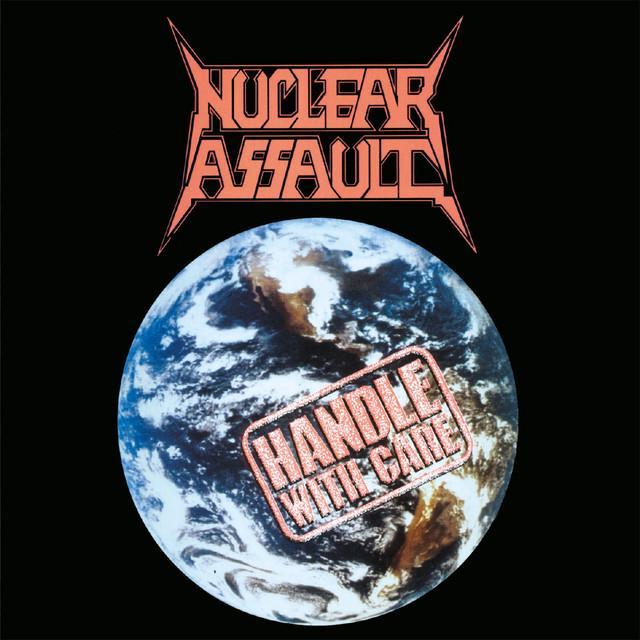
Why ‘Torture Tactics’ Hits Like a Warning
The meaning of Torture Tactics Nuclear Assault comes through fast and hard: this is a song about power enforced by violence, and about the loneliness built into that kind of rule. Nuclear Assault do not frame tyranny as clever or stable. They present it as brutal, fearful, and eventually doomed.
"Torture Tactics" - Nuclear Assault
Leave others to their fate
Never looking back
Loading lyrics...
Unable to load lyrics
We're unable to display the lyrics at this time. Please try again later.
Even on the page, the lyrics move with a march-like force. They describe a world where authority comes from weapons, where ordinary people live under pressure, and where the rulers fear the uprising they helped create. That makes the song feel less like fantasy and more like a political warning.
A Thrash Song About Oppression, Not Shock
At its core, the track criticizes a regime that survives through force. The opening idea, walk the path of hate
, paints oppression as a chosen moral road. The figures in the song are not confused leaders. They are people who abandon empathy and accept cruelty as policy.
That becomes clearer when the lyric says their laws come from a gun
. The point is simple: this is not justice. It is rule by threat. The song links legal power and physical violence so tightly that one becomes the mask of the other.
Interpretation: They seem to be describing authoritarian government in general, though some details also hint at specific systems of segregation and police control. The song’s language is broad enough to apply to more than one real-world case.
Watch the official Torture Tactics
music video
The Refrain Turns Power Into Isolation
The key line is repeated after each verse: alone you stand
and alone you fall
. That refrain gives the whole song its shape.
Before and after those words, the verses show rulers acting without pity, without shame, and without mercy. Then the chorus strips away the image of strength. The rulers may command fear, but they do not create loyalty. They stand apart from the people they dominate, and that separation becomes their weakness.
Interpretation: The refrain suggests that violence isolates the oppressor morally and politically. A government can force obedience for a time, but fear is not the same as support.
Images of Control: Boots, Passbooks, and Guns
The song uses a few striking symbols instead of long storytelling. The image of the tread of boots
suggests military or police occupation. It is less about one soldier than about the sound of constant intimidation.
The mention of passbooks is especially important. Passbooks are historically tied to systems that restrict movement and identity, including apartheid-era controls in South Africa. In the song, they stand for everyday humiliation: not just violence in prisons or secret rooms, but control built into normal life.
Then the lyric returns to the gun again. Weapons are not only tools in this song; they are the foundation of the whole social order. If a system needs a gun behind every law, Nuclear Assault imply that the system has already failed morally.
How the Verses Build a Cycle of Abuse
The lyrics move in a clear sequence:
- The rulers choose hate and reject regret.
- They govern through fear and armed force.
- The public lives under surveillance and restricted freedom.
- The oppressed may one day revolt.
That final shift matters. The song says the oppressed have almost no release except death, then imagines a future where their day will come
. This is the turning point of the lyric. It changes the song from pure description to warning.
their only one release is death
perhaps their day will come
These lines do not celebrate violence so much as predict backlash. When people are denied freedom for too long, the song suggests, revolt becomes likely.
Why the Sound Fits the Message
Nuclear Assault came out of the 1980s thrash scene, a style known for speed, aggression, and politically charged anger. The band was founded by bassist Danny Lilker after his time in Anthrax, a fact covered in band histories and metal references such as AllMusic and Encyclopaedia Metallum. That context matters because thrash often turns social fear into direct, confrontational music.
On a song like this, fast riffing and punchy drumming do more than create energy. They mirror the tension of a society under pressure. The clipped, slogan-like lyrics also fit thrash well. Instead of poetic ambiguity, the band goes for impact. Every short line lands like a shouted accusation.
Interpretation: The bluntness is part of the meaning. A softer arrangement might invite reflection, but this kind of attack demands moral attention right away.
Artist Context and Writing Credits
The song is credited here to Anthony Bramante, Danny Lilker, Glenn Evans, and John Connelly. That shared writing approach fits Nuclear Assault’s band identity, which often blended political frustration with compact, forceful songwriting.
More broadly, thrash metal in the 1980s often addressed war, corruption, censorship, and state violence. Nuclear Assault were part of that tradition, using speed and sarcasm to push against systems of control rather than escape from them.
The Lasting Meaning of Torture Tactics Nuclear Assault
The meaning of Torture Tactics Nuclear Assault is not hard to find: oppressive power may look strong, but it is built on fear, and fear cannot hold forever. The song attacks cruelty from two sides at once. It shows what domination does to the victims, and it shows how it hollows out the people who wield it.
That is why the refrain matters so much. The oppressor seems towering in the verses, but the chorus reduces them to a solitary figure heading toward collapse. In just a few lines, Nuclear Assault turn political anger into a sharp moral verdict.
Disclaimer: This interpretation is based on the lyrics provided, common historical associations in the imagery, and the band’s broader thrash-metal context. As with any song, listeners may hear additional meanings.








