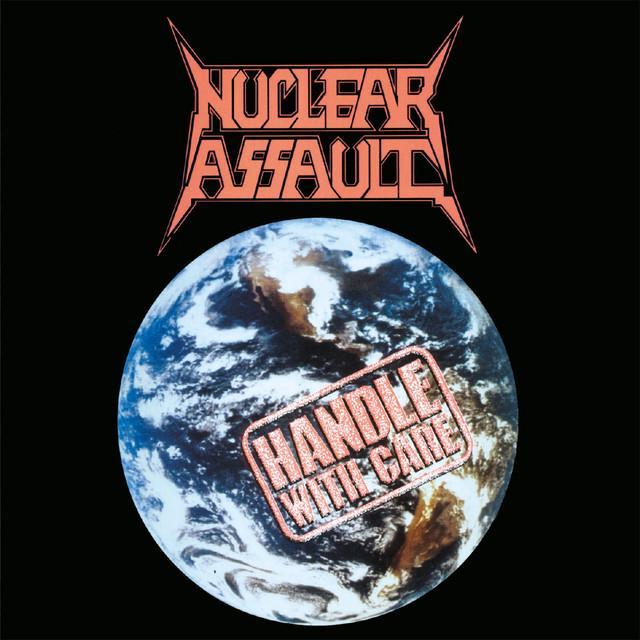
When Freedom Dies by Nuclear Assault
The meaning of When Freedom Dies Nuclear Assault comes down to one hard idea: fear can turn a free society into the very thing it once fought against. In a short, direct lyric, Nuclear Assault build a political warning that still lands with force.
"When Freedom Dies" - Nuclear Assault
Against a common foe, the enemy
The years of death endured, the years of pain
Loading lyrics...
Unable to load lyrics
We're unable to display the lyrics at this time. Please try again later.
They were never a band that avoided public issues. Nuclear Assault emerged from New York’s East Coast thrash scene in 1984 and became known for aggressive, political material, a key part of the U.S. thrash movement alongside acts like Overkill and Anthrax, according to publicly available band histories. That context matters here, because this song fits their larger habit of turning social anxiety into blunt, fast metal.
A Thrash Song With a History Lesson
At first, the lyric sketches a familiar wartime story. People unite in a crisis against a shared enemy. The opening lines describe a period of suffering, then resistance against a destructive force. In simple terms, the song says a nation can be morally clear during war.
But it does not stay there. After victory, the message darkens. The lyric suggests that once the outside threat is beaten, another danger appears from within: panic, control, and the slow loss of rights. That shift is the heart of the song.
A key phrase is time of need
. It frames the opening as a moment when unity makes sense. Yet the band then contrasts that with what happens after the emergency passes. Their point is not that collective action is bad. Their point is that fear can outlive the crisis.

Watch the official When Freedom Dies
music video
The Chorus Delivers the Whole Argument
The chorus is where the track states its thesis most clearly. Nuclear Assault repeat freedom dies for security
, then push it further with we become the enemy
. Paraphrased, they are saying that a country can win a war and still lose its moral identity.
That is why the refrain feels so sharp. It is not only accusing governments. It uses “we,” which spreads responsibility across society. The song suggests that people often accept new controls because they are scared, and only later realize what they traded away.
We become the enemy
When freedom dies for security
This is the only moment in the lyric that sounds like a slogan, and that seems intentional. Interpretation: the chorus works like a civic warning label. It is memorable because the band want listeners to carry that line outside the song.
How the Verses Build the Warning
The verses move in a clear timeline:
- A people face a brutal enemy.
- They endure pain and finally win.
- After the war, fear continues.
- That fear leads to repression at home.
- The former victims start resembling their old foe.
The line about blind fear prevailed
is especially important. It suggests that the real postwar problem is not reasoned caution but panic. Then the lyric brings in the image of atomic rain
, which points strongly to Cold War nuclear anxiety.
That historical reading makes sense. Interpretation: the song appears to look at the years after World War II, when victory over fascism gave way to suspicion, militarization, and fear of nuclear destruction. The lyric does not name a country, but the “we” voice makes it feel close to home for American listeners.
The Moral Twist: Safety Can Become Its Own Threat
What makes this song stronger than a simple protest track is its final turn. It says people not only feared attack; they also changed inwardly. The closing idea, we are the same
, is the most bitter line in the song.
Paraphrased, the band argue that if a society abandons freedom in the name of protection, it starts mirroring the mindset it hates. That does not mean the two sides are literally identical in every way. It means fear can erase the moral difference people once defended.
This is where the meaning of When Freedom Dies Nuclear Assault becomes broader than Cold War commentary. It can apply to censorship, surveillance, emergency powers, or any moment when leaders and citizens treat liberty as optional.
Why the Sound Matters as Much as the Words
Nuclear Assault’s style helps sell the message. They are an American thrash/crossover thrash band, and that genre is built for urgency: fast tempos, clipped riffs, hard snare hits, and vocals that sound like they are pushing through alarm sirens rather than floating above them.
That matters because this lyric is not poetic in a dreamy way. It is stripped down, almost like a shouted editorial. The likely musical setting—rapid drumming, tight palm-muted guitar work, and a forceful chorus—would make the warning feel immediate. Instead of inviting reflection first, the track creates pressure, then forces reflection afterward.
In that sense, the production style common to late-1980s and early-1990s thrash becomes part of the message. The music does not comfort the listener. It corners them with the argument.
Artist Context Helps Explain the Song
Band history also supports this reading. Nuclear Assault built a reputation on politically charged material, and they were one of the prominent East Coast thrash acts of the era. Public discographies show a catalog filled with social criticism, not escapism.
That makes this song feel consistent rather than unusual. They often treated metal as a space for civic anger. Here, they turn that anger into a warning about fear-driven conformity.
Final Take on the Meaning
So, what is the song about? The clearest answer is this: it warns that freedom rarely disappears all at once. It shrinks when people accept control as the price of feeling safe.
The song’s lasting power comes from how little it wastes. In a few verses and one cutting refrain, Nuclear Assault argue that the worst political loss is not just defeat by an outside force. It is the moment a society defeats that force, then copies its logic anyway.
Disclaimer: This interpretation is based on the released lyrics, the band’s known themes, and historical context. As with any song, listeners may hear additional meanings.








