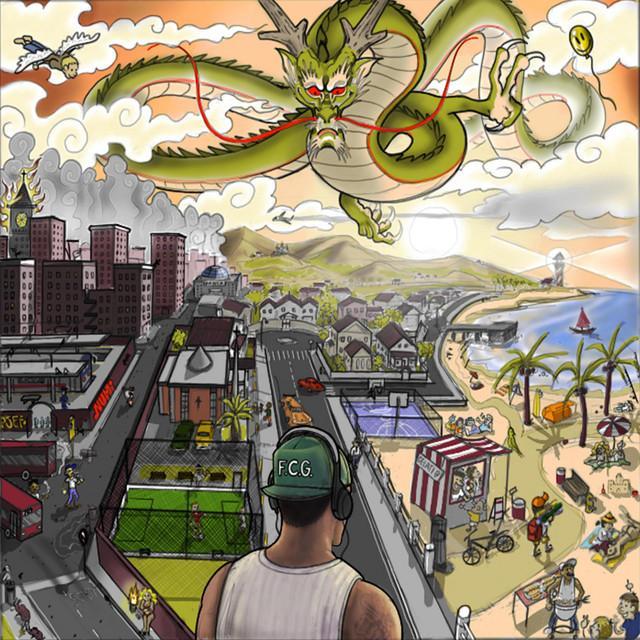
What "Lungomare bouganville" Really Escapes
The meaning of Lungomare bouganville Numi comes from a tension the song never fully resolves. On one side, they want ease, money, travel, sex, and distance from pressure. On the other, they carry anger, old survival habits, and a deep distrust of people and scenes around them.
"Lungomare bouganville" - Numi
Sto sempre su immobiliare.it o skyscanner
Ora i rapper mi annoiano, li faccio a fette
Loading lyrics...
Unable to load lyrics
We're unable to display the lyrics at this time. Please try again later.
That is why the song feels so alive: it is not simply about relaxing by the sea. It is about trying to invent peace while still thinking like someone who had to fight for everything.
A Seaside Image Against an Urban Mind
At the center of the track is a striking contrast. The chorus paints a soft place of escape: lungomare bouganville
, books, drinks, and a slower mood. Paraphrased, they imagine a coastline lined with color and warmth, where the body can finally unclench.
But the verses keep breaking that picture. They jump through scams, rent sites, flights, trap houses, fake friends, and social posturing. That contrast suggests the seaside image is less a location than a mental shelter.
Interpretation: the song uses the boulevard-by-the-sea image as a private fantasy of control. They are not describing stable peace. They are describing a momentary break from a life built on speed, suspicion, and self-protection.
The Narrator Sounds Tough Because They Feel Cornered
A lot of the writing is aggressive, funny, and deliberately crude. There are boasts, insults, and flashes of violence. Yet beneath that surface, the voice sounds exhausted by performance.
When they say the rap world is rotten and full of ego, the complaint does more than attack others. It also reveals disappointment. They seem to know the system rewards visibility over honesty, and that knowledge makes them more cynical.
That is why lines about money hit hard. The track argues that cash tells the truth about character more than public talk does. Paraphrased, they trust actions and spending habits over slogans, identity branding, or scene politics.
The Chorus Is Not Simple Happiness
The hook matters because it briefly changes the song’s temperature. In a track full of motion and threat, the chorus says sono in chill
and also adds senza prendere le pill
. In plain terms, they present calm as something achieved without chemical numbness.
That detail is important. The song is not praising pure innocence; alcohol and vice are still present. But it does suggest a search for clearer relief. Reading, sun, and stillness become alternatives to compulsive escape.
mi rilasso con dei libri
siamo liberi
Those short phrases make the dream feel almost modest. Freedom here is not grand political liberation. It is the ability to breathe, think, and be left alone.
Rome, Milan, and the Geography of Split Identity
The place references give the song its social texture. Rome and Milan are not just settings; they represent different systems of survival and ambition. They describe Milan as an inversion of life in South Rome, which suggests they feel pulled between two codes.
One code is street knowledge, speed, and improvisation. The other is polished urban ambition, where image and transactions rule. Travel references to Greece, Tokyo, buses, trains, and flight sites deepen that feeling. They are always looking elsewhere, always one search away from leaving.
Interpretation: movement in the song signals restlessness, not freedom. They can imagine many exits, but the emotional baggage keeps traveling with them.
Violence, Desire, and the Need to Stay in Control
Some of the darkest lines show how close pleasure and danger sit together in this track. Sexual boasts, threats, and memories of conflict all arrive in the same emotional register. Even when they sound amused, they rarely sound safe.
A key moment comes when they say they drown violence in vodka, then reach toward Moksha
. That is a sharp contrast: intoxication beside spiritual release. The line implies they know brute force and indulgence will not heal them, but they still reach for those tools first.
The image of evil folded inward like a matryoshka also matters. It suggests pain stacked inside pain, with each layer hiding another one. This is one reason the song feels more complex than a standard flex record.
How the Sound Likely Supports the Meaning
Without overclaiming details that are not officially credited here, the writing strongly points toward a modern Italian rap/trap frame: blunt drums, a cool loop, and a vocal delivery that alternates between deadpan and cutting emphasis. That kind of production would fit the song’s split mood.
A restrained, hypnotic beat lets the chorus feel airy while leaving room for hard-edged verses. In songs like this, minimal production often helps the listener focus on attitude shifts. The result is that the calm sections feel fragile, almost temporary, rather than fully earned.
What the Song Ultimately Says
The meaning of Lungomare bouganville Numi is not that money or escape solves anything. It is that they crave a life that feels easy
, but they know their instincts were shaped by harsher conditions.
So the song keeps asking a painful question: how do they relax when vigilance built their identity? The answer is incomplete by design. They can imagine peace. They can even stage it for a chorus. But the verses show the cost of becoming the kind of person who needs that refuge so badly.
That makes the track compelling. It is part fantasy postcard, part street diary, and part confession from someone who wants softness without surrendering power.
Disclaimer: This article offers an interpretation of the song based on its lyrics and publicly available context. Different listeners may reasonably hear it differently.








