Why 'Dragostea Din Tei' Still Feels So Joyful
The meaning of Dragostea Din Tei O-Zone is easier to grasp than its meme reputation suggests. Under the famously goofy hook, the song tells a simple story: someone calls a romantic interest, tries to sound charming, and hides real anxiety behind bright, silly energy.
"Dragostea Din Tei" - O-Zone
Ma-i-a hu
Ma-i-a ho
Loading lyrics...
Unable to load lyrics
We're unable to display the lyrics at this time. Please try again later.
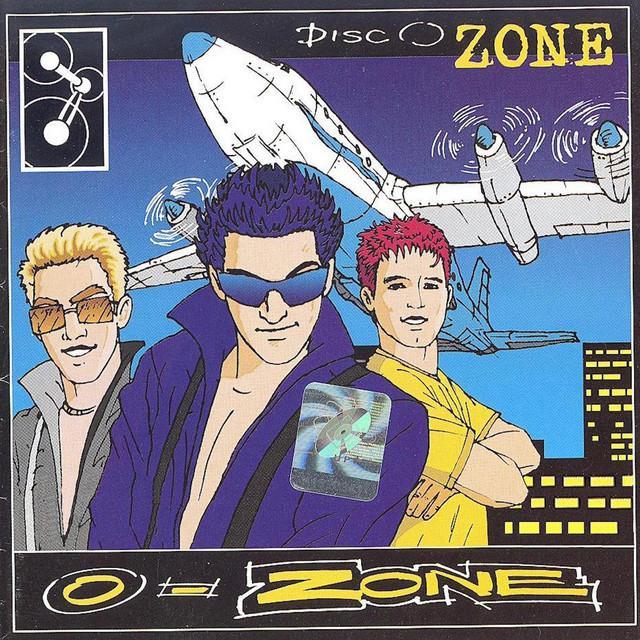
Released by Moldovan group O-Zone as the lead single from DiscO-Zone in 2003, the track was written by Dan Bălan and is commonly credited as produced by Bogdan Popoiag. It later became one of the biggest European pop hits of the 2000s and, by 2007, reportedly sold more than 12 million copies worldwide.
The Pop Joke Has Real Feelings Inside
At first glance, the song can seem like pure nonsense because of the famous vocal hook Ma-ia-hii
and its sing-song bounce. But the verses point to a clear scene: the narrator is calling a lover, announcing himself with comic swagger, and trying to turn a tense moment into flirtation.
He introduces himself with playful masks like sunt eu, un haiduc
and later sunt eu, Picasso
. In plain terms, he is performing confidence. He wants to sound bold, artistic, even a little ridiculous, because that is easier than admitting he feels vulnerable.
Interpretation: That contrast is the song’s emotional center. Its surface is bubbly and comic, but the core feeling is romantic insecurity.
Watch the official Dragostea Din Tei
music video
A Phone Call Turned Into a Chorus
The lyrics work like one side of a phone conversation. The singer calls, leaves a beep, and tries to say what he feels now. That matters because it gives the song motion: this is not a static love song, but a small drama happening in real time.
The key emotional line is the chorus idea behind nu mă, nu mă iei
. In context, he fears the other person is leaving without him. He is not asking for grand promises. He just does not want to be forgotten.
Chipul tăuși dragostea din teiMi-amintesc de ochii tăi
Those lines shift the song from comedy to memory. He is stuck on the other person’s face and eyes, and on a dreamy image of love connected to the linden tree. Even if listeners do not know Romanian, the emotional turn is easy to hear.
What the Linden Tree Symbol Suggests
The title translates roughly to "love from the linden tree" or "the love from the linden tree." In Romanian culture, the linden tree carries romantic and summery associations, and Dan Bălan has said the symbol points toward romance and warm-season desire.
That symbol helps explain why the song feels nostalgic even while it dances. The linden tree is not just a random object. It suggests a place of memory, shade, intimacy, and youthful love.
Interpretation: Listeners can hear the title in two ways:
- as a literal image of lovers under a tree
- as a poetic shortcut for idealized summer romance
Both readings fit the lyric’s mix of desire and remembrance.
Why the Sound Sells the Emotion
A huge part of the meaning of Dragostea Din Tei O-Zone comes from its production. The track blends Eurodance, dance-pop, Europop, and synth-pop with an upbeat 130 BPM pulse and bright keyboard hooks. Its rhythm pushes forward even when the words hint at rejection.
That is why the song feels so clever. The music refuses to sulk. Instead, it turns longing into motion.
Critic Douglas Wolk once wrote that there is scarcely a second without some kind of hook. That is exactly how the song works. The melody, the chant-like vocal line, the quick phrasing, and the elastic chorus all keep the listener in a state of cheerful suspense.
There is also a folk-pop edge in Dan Bălan’s delivery. Some critics connected the vocal style to Romanian folk inflections, which may be one reason the song sounds both local and international at once.
From European Smash to Internet Legend
Factually, the song’s story is remarkable. It topped charts across much of Europe, including France and Germany, and became a defining continental hit of 2004. In the United States, many people first met it through the viral “Numa Numa” lip-sync video by Gary Brolsma, which helped turn the track into an early internet landmark.
That meme history matters, but it can also hide the song’s craft. People often remember the misheard chorus and forget that the original is tightly structured, emotionally legible pop.
Its afterlife proves that point. The melody was later interpolated in major pop and rap hits, most famously T.I. and Rihanna’s “Live Your Life.” A song does not last that long on novelty alone.
The Best Way to Hear It Now
The smartest way to hear “Dragostea Din Tei” is not as a joke song, and not as a deeply tragic ballad. It sits in the middle. It is a playful dance track about wanting to stay connected to someone who may already be moving on.
That is why it still works. The singer acts silly because silliness is protective. He jokes, poses, and sings in irresistible nonsense sounds, but behind all that color is a very human fear: if love leaves, what remains besides memory?
For many listeners, that balance is the whole magic of the song.
Disclaimer: This article mixes established facts with clearly labeled interpretation. Meaning can vary by listener, especially with a song whose tone is intentionally playful and open-ended.







