Why 'Champagne Supernova' Still Feels Infinite
The meaning of Champagne Supernova Oasis keeps pulling listeners back because the song feels both huge and uncertain. It sounds like a victory lap, but its words ask uneasy questions about change, time, and what lasts when the high fades.
"Champagne Supernova" - Oasis
How many lives are livin' strange?
Where were you while we were gettin' high?
Loading lyrics...
Unable to load lyrics
We're unable to display the lyrics at this time. Please try again later.
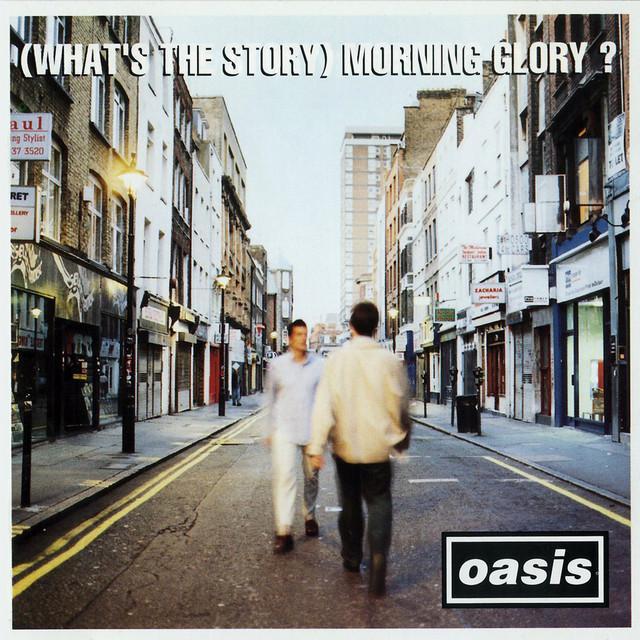
Released on Oasis's 1995 album (What's the Story) Morning Glory?, the song was written by Noel Gallagher and helped close the record on a dreamy, expansive note. It later became one of the band's best-known songs in the U.S. Facts about the album, credits, and chart history are widely documented by sources such as AllMusic, Britannica, and Official Charts.
The Heart of the Song's Mystery
At its core, the song seems to be about youth colliding with adulthood. The opening questions about how people change and how lives turn strange frame the whole track. Instead of offering clear answers, Oasis lets the listener sit inside confusion.
That is why the chorus hits so hard. When the narrator imagines being caught beneath the landslide
, the image suggests being buried by time, pressure, or the weight of life. Then the title phrase, champagne supernova
, adds glamour and destruction at the same time.
Interpretation: many listeners hear this as a symbol for a beautiful but unstable way of living. "Champagne" suggests celebration and excess; "supernova" suggests a brilliant explosion. Put together, the phrase feels like a dream of glory that cannot last.

Watch the official Champagne Supernova
music video
Questions, Highs, and the Fear of Missing It
One of the most famous lines asks, Where were you
while everyone else was gettin' high
. Paraphrased, the song is asking who shared the moment and who missed it. That can mean drugs in the literal Britpop-era sense, but it also works as a broader question about being present for youth, friendship, and cultural moments.
This is part of what gives the song emotional power in the United States as well as the U.K. Even listeners with no connection to 1990s Manchester can relate to the feeling that some unforgettable season happened fast, and not everyone was there when it mattered.
Interpretation: the line is less about bragging than longing. They are not simply celebrating being wild. They are asking whether anyone else remembers the same golden moment the way they do.
A Chorus About Being Found Too Late
The chorus imagines a future discovery: Someday you will find me
. That phrasing matters. The song does not say the connection is happening now. It pushes the emotional payoff into some later time, as if understanding only comes after the moment has already passed.
Someday you will find me
Caught beneath the landslide
in a dazzling, unreal sky-bound image.
Paraphrased, the singer imagines being located inside wreckage and wonder at once. The image is grand, but it is not calm. A landslide crushes; a supernova erupts. The song keeps pairing awe with danger.
How the Sound Expands the Meaning
Part of the meaning of Champagne Supernova Oasis comes from the arrangement. The track moves at a relaxed pace, but it grows wider and louder over time. Layered guitars, echo, and a long, floating outro make the song feel less like a neat story and more like a memory stretching into the distance.
The production on (What's the Story) Morning Glory? is commonly credited to Noel Gallagher and Owen Morris, whose dense, wall-like mixes were central to Oasis's sound, as noted by AllMusic. On this track, that density helps the song feel larger than life.
Liam Gallagher's vocal also matters. He sings the surreal lines with plain confidence rather than delicate mystery. That contrast keeps the song from drifting away. It sounds grounded even when the words do not fully explain themselves.
Noel Gallagher's Writing Style and the Song's Ambiguity
Noel Gallagher has often spoken in interviews about writing from instinct and feel rather than strict logic, which helps explain why this lyric is packed with memorable images instead of clear plot points. Oasis were never a band that needed every line to be literal. Their songs often worked by emotional force first.
That helps explain strange pairings like walking slowly yet moving faster than a cannonball
. The contradiction feels intentional. It captures how memory works: time can drag in the moment but seem unbelievably fast in hindsight.
Two Strong Ways to Read It
Reading One: A eulogy for youth
Under this reading, the song looks back at a period of freedom and intensity that can never fully return. The references to changing people, strange lives, and living and dying all point to mortality. The song then becomes a cosmic farewell to youth.
Reading Two: Fame as a beautiful explosion
A second reading connects the song to Oasis's own rise. By the mid-1990s, they were moving from local band to global phenomenon. In that light, the song captures the rush, excess, and unreality of sudden success. The title image then becomes a metaphor for celebrity itself: sparkling, oversized, and unstable.
Both readings fit because the lyric never closes the door on either one.
Why the Song Still Connects
The song lasts because it does not solve its own mystery. It turns confusion into feeling. Listeners hear celebration, regret, wonder, and loss all at once.
For anyone searching for the meaning of Champagne Supernova Oasis, the best answer is that the song captures what it feels like when life seems massive and unforgettable, even as it slips away. That tension is why it still sounds so alive.
Disclaimer: This interpretation mixes documented context with informed reading of the lyrics. Because Oasis uses surreal imagery, different listeners may hear valid meanings in the song.







