Blame It by Of Mice & Men
A party anthem turned into something rougher
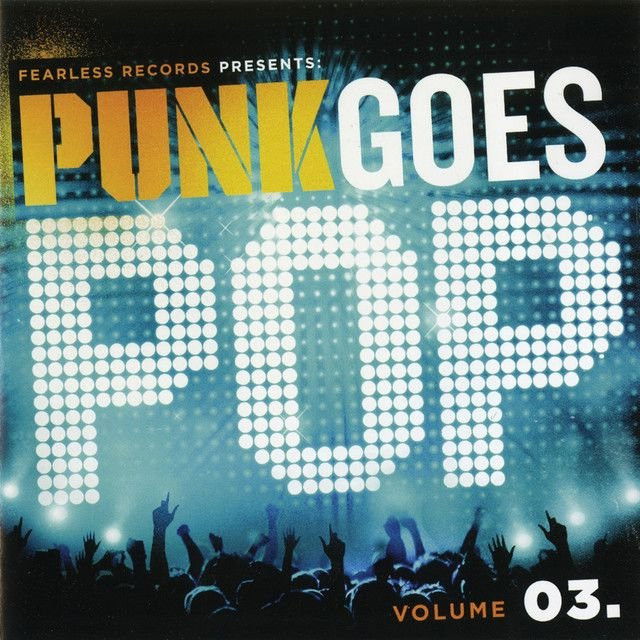
The meaning of Blame It Of Mice & Men starts with a key fact: this is a cover of Jamie Foxx’s 2009 hit featuring T-Pain, reworked by Of Mice & Men for Punk Goes Pop 3 in 2010. The original was a major crossover success, reaching No. 2 on the Billboard Hot 100 and winning a Grammy for Best R&B Performance by a Duo or Group with Vocals, while Of Mice & Men’s version brought the song into a metalcore setting (Wikipedia: "Blame It"; Wikipedia: Of Mice & Men).
"Blame It" - Of Mice & Men
Got you feeling loose
Blame it on Patron
Loading lyrics...
Unable to load lyrics
We're unable to display the lyrics at this time. Please try again later.
That switch matters. In its new form, the song is still about drinking, flirting, and bad decisions, but the cover makes those ideas feel less glamorous and more frantic. Instead of smooth nightlife energy, they deliver a louder, more unstable mood.

Watch the official Blame It
music video
What the song is really saying
At its core, the song is about dodging responsibility. The hook keeps repeating the idea that people can blame it on the alcohol
. In plain terms, the singer describes a night where attraction speeds up, boundaries loosen, and everyone acts as if the drink is making the choices.
Interpretation: The real point is not that alcohol has magical power. It is that people often use it as a social shield. Saying the drink caused everything lets them do what they already wanted while protecting their image the next day.
That is why the verses matter as much as the chorus. The speaker suggests the other person is pretending to hold back, then predicts that more drinks will lead to honesty, desire, and physical closeness. The repeated excuse becomes the song’s entire emotional engine.
The verses tell a clear story of impulse
From hesitation to rationalization
The early lines paint someone who supposedly usually don't
, but the speaker brushes that off as an act. Right away, the song frames restraint as temporary. The speaker believes hidden desire is already there and that intoxication will bring it to the surface.
Later, the song moves into direct action: more drinks, more confidence, and more touching. Phrases like feeling loose
and in the zone
describe that shift from self-control to reckless momentum. The language is simple on purpose. It sounds like a chant, almost like a party script everyone already knows.
The chorus as an excuse machine
The chorus lists different drinks and then returns to the same idea. This gives the song a circular structure, where every event leads back to one easy explanation. Instead of reflecting on choice, the speaker keeps outsourcing blame.
Blame it on the goose
Blame it on Patron
Blame it on the alcohol
This short run shows how the song turns brand names into symbols. They are less about specific drinks than about nightlife culture itself: status, excess, and a ready-made excuse.
Why Of Mice & Men’s cover changes the meaning
Of Mice & Men came from the American post-hardcore and metalcore world, a scene known for heavy guitars, breakdowns, and sharp contrasts between clean and harsh vocals (Wikipedia: Of Mice & Men). Their cover was released during an early lineup era and is notable for featuring Jerry Roush on vocals and Dane Poppin on bass on the recording.
That sound reshapes the song. The original uses polished R&B production, Auto-Tune, and a club-ready bounce (Wikipedia: "Blame It"). Of Mice & Men replace that sleek feeling with crunching guitars, forceful drums, and shouted intensity. As a result, the same words feel less playful.
Interpretation: In the cover, the party does not sound seductive. It sounds messy and out of control. The heavier arrangement exposes the uglier side of the lyric’s logic, especially when the excuse keeps repeating after behavior becomes more aggressive.
Themes hiding beneath the surface
Alcohol as cover, not cause
The biggest theme is responsibility. The song keeps pointing to alcohol, but its details suggest alcohol is more of a cover story than a true cause. The speaker is already pushing toward a result and using intoxication to make that pressure sound normal.
Performance and social image
Another theme is image management. The lyrics imply that people want pleasure without appearing too eager. That is why the speaker treats drinks as a shortcut past self-consciousness. The night becomes a performance where everyone can later deny intent.
Desire mixed with ego
There is also a clear ego trip in the song. The speaker reads the other person with total confidence and treats events as inevitable. Lines built around ideas like open up like a book
make attraction sound less mutual and more like a conquest fantasy.
How the sound carries the message
Musically, the cover matters because metalcore thrives on tension. Heavy guitars and pounding drums create a sense of pressure, while screamed or roughened vocals can turn a catchy line into something confrontational. That works well with a song whose main idea is loss of control.
The repetition in the chorus also becomes harsher in this style. In pop-R&B, repetition can feel smooth and hypnotic. In a heavy cover, repetition can feel obsessive. That shift supports a reading of the song as chaotic rather than carefree.
Final takeaway on the song’s meaning
The meaning of Blame It Of Mice & Men is not just about drinking. It is about the way people use drinking to excuse attraction, impulsiveness, and poor judgment. Of Mice & Men’s cover keeps the hook intact but changes the emotional frame, making the song feel more volatile and more revealing.
Interpretation: Their version can be heard as either a fun scene-core-era cover or an accidental critique of the original’s excuse-making. Both readings fit because the lyrics themselves live in that tension.
Disclaimer: Song meaning is always part fact, part interpretation. This reading is based on the lyrics, the cover’s musical style, and available release context.







