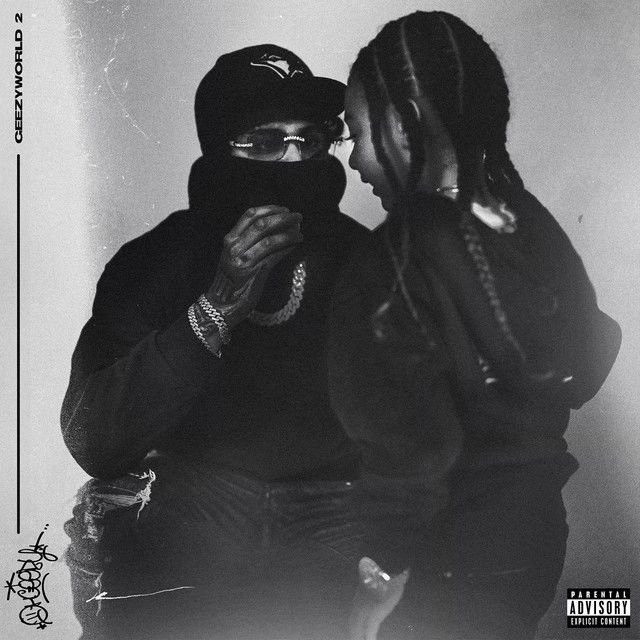
Blame Me by OHGEESY
A late-night apology can sound brave or a little slick. This track splits the difference. The meaning of Blame Me OHGEESY lies in how the hook makes room for both guilt and persuasion, pairing a moody, melodic vibe with lines that juggle love, pride, and public pressure.
"Blame Me" - OHGEESY
Put the blame on me
Was it all my fault?
Loading lyrics...
Unable to load lyrics
We're unable to display the lyrics at this time. Please try again later.
Owning It—But Not Letting Go
At its core, this is an accountability song. The narrator keeps repeating Put the blame on me
, and even wonders, Was it all my fault?
They lean into responsibility to show the partner they’re listening.
Interpretation: the hook works like a key to re-entry. By accepting fault, they hope to keep the door open for another try instead of a final goodbye.
The Voice and the Target of the Plea
The story is told in first person, aimed at a partner who’s ready to leave. The speaker mixes confession with swagger. They admit missteps—Ain’t nobody perfect
—yet remind the partner that they were always different and unpredictable. That tension fuels the song: raw feeling meets a life lived fast.
What Actually Happens: A Quick Timeline
- Club-night chaos sparks rumors. Pictures get taken, people crowd the section, and the narrator feels set up and watched.
- The partner’s trust wobbles. The narrator calls out their own games and admits they treated feelings like a pastime.
- The stakes rise. They talk about shared plans, from matching tattoos to growing old together, which now feel in danger.
- The plea: accept my flaws, but don’t end us. The chorus returns to blame as a bridge back to love.
The Hook’s Double Edge
Repeated refrains can be comfort or cover. Here, Put the blame on me
offers relief—someone finally says, “I messed up.” But it can also be a tactic. Interpretation: offering to take all the blame can shift the argument from facts to feelings, which might help them win back the moment even if it doesn’t fix the root problem.
Images, Flexes, and Cracks in the Armor
The song stacks status symbols—multiple cars, a new house, more zeros. Those lines sell stability and success. But the metaphors tell a different story. The narrator admits a drop with I fumbled that
, turning a sports image into an apology. And the warning Everything that glitter, no, it ain’t gold
pushes against the glossy surface: the lifestyle shines, but it can’t guarantee loyalty.
Interpretation: the clash between flexes and fear is the point. Money shows what they can provide; regret shows what they can’t replace if the partner walks.
Sound That Moves Like Memory
The production leans into a mid-tempo, melodic trap pocket: warm low end, crisp percussion, and a late-night sheen on the vocals. The hook feels half-sung, half-rapped, with a soft top line that lingers. That design lets the refrain sit in the listener’s head, just like a looping thought after a fight. Ad-libs and doubles blur the edges, echoing the confusion of the scene the song describes.
Interpretation: the beat’s moodiness acts like gravity, pulling the bravado down into something more human. Every return to the hook feels less like posturing and more like a real-time admission.
Fame, Framing, and the Pressure to Perform
Club snapshots, people angling for proximity, and whispers in a crowded section feed the conflict. In that world, moments get turned into narratives fast. Blame becomes a way to calm the noise. When the narrator says they only want this one person now, they’re pushing back against a room full of options—and the emptiness that can follow them home.
Two Plausible Reads
- Interpretation 1: Sincere contrition. The narrator owns up, asks for another chance, and means it. The details about plans and shared life sound real, not recycled.
- Interpretation 2: Strategic surrender. They accept blame to control the frame. By giving the partner the win today, they try to reset the scoreboard tomorrow.
Why This Resonates
The meaning of Blame Me OHGEESY clicks because it blends everyday relationship friction with modern pressures—social feeds, club optics, and the grind for status. That mix makes the apology both timeless and of-the-moment.
Final Takeaway
Blame here is a love language and a bargaining chip. The narrator says, in effect: take it out on me so we can move forward. Whether that’s healing or hustle depends on how much you trust the voice behind the mic.
Disclaimer: Song meanings are interpretive and may differ from the artist’s intent.









