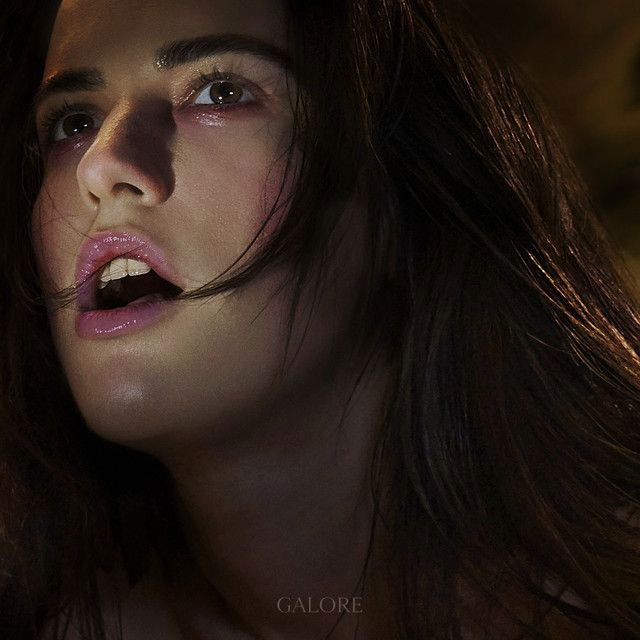
god’s chariots by Oklou
A love song that floats between fantasy and solitude, “god’s chariots” turns longing into light. For readers searching for the meaning of god's chariots Oklou, this guide breaks down the symbols, the voice, and the production choices that make the track feel like a dream you don’t want to wake from.
"god's chariots" - Oklou
I wake up in a heatwave
And everybody’s gone
Loading lyrics...
Unable to load lyrics
We're unable to display the lyrics at this time. Please try again later.
Escaping gravity: what the song is really about
At its heart, the narrator reaches for union as a way out of isolation. They ask to be forever one
, imagining love as a route to a higher plane—what the title images as god’s chariots
.
Factually, “god’s chariots” appears on Oklou’s debut album Galore and was released as a single from that project. In press comments around the release, Oklou called the song “a fantasy… to escape reality,” but also about the kind of loneliness that makes you feel like you’re losing your mind. That frame helps explain why the lyrics glow and ache at once.

Watch the official god's chariots
music video
Who’s speaking, and to whom?
The voice is first-person, intimate, and gender-fluid in address. The narrator reaches out to both “boy” and “girl,” which suggests that the “you” could be a specific person or an idealized presence. By repeating the wish to be forever one
, they picture love as total merger rather than simple closeness.
The story beats: how the feeling moves
- They wake in heat and absence, seeking touch and proof.
- They imagine a transport to somewhere sacred—those
god’s chariots
—but refuse harm along the way, captured in the strange aside about not wanting tokill a swan
. - They fall and float between fear and desire, trying to avoid the weight of the real world: not wanting to
feel the ground beneath me
. - Finally, they invoke a nighttime guide, a
goddess of a lonely night
, as if asking the dark to carry them until morning.
What the hook really says
The refrain and chorus pivot on weightlessness and rescue. The narrator wants the fall to end in safe arms, not a hard landing. They even picture night as a buoyant force:
Keep me up into the night
You’re with me like a blow of light
Interpretation: Night becomes a supportive medium, glowing rather than threatening—a place where love suspends the rules of gravity.
Symbols and images decoded
- Chariots: Historically tied to gods and ascension, chariots symbolize transcendence. Here, they stand for emotional escape—love as a vehicle out of loneliness.
- Swan: A classic emblem of beauty and grace. Not wanting to
kill a swan
suggests preserving innocence while pursuing desire—seeking passion without harm. - Falling/ground: The wish to not
feel the ground beneath me
frames real life as heavy. Weightlessness equals freedom, or dissociation, depending on the listener’s lens. - Light and goddess: The
goddess of a lonely night
and “blow of light” merge spirituality with sensuality. Illumination comes from touch, but also from an imagined guardian. - Seasons and direction: Mentions of spring and “float down south” add a drifting, seasonal motion—life cycles keep moving even as the narrator hovers between states.
How the sound carries the meaning
Production-wise, “god’s chariots” leans on soft synth pads, airy textures, and a gentle, swaying pulse. Vocals are close and breathy, inviting the listener into the narrator’s private wish-world. Sub-bass and reverb create the sensation of open space, so lines about falling and floating feel physical.
Interpretation: The arrangement avoids sharp edges, which matches the refusal to “hit the ground.” Everything is cushioned, limned with glow, so the song can hold tension without breaking it.
Context within Galore
On Galore, Oklou maps emotional rebirth through cinematic, electronic pop. “god’s chariots” serves as a hinge track—tender, hypnotic, and expansive. Writing credits list Marylou Mayniel (Oklou), Casey Manierka, and Doyelle Mitchell, reflecting a collaborative approach that favors texture and feeling over maximalism.
Interpretation: Placed mid-album, the song reads like a deep breath between storms—an invitation to imagine a better place, even if it’s fragile.
Alternate readings and the beautiful blur
- Dissociation as self-protection: The desire to not
feel the ground beneath me
can sound like withdrawing to cope with pain. - Queer longing beyond labels: Addressing both “boy” and “girl” hints at desire that resists fixed boundaries. The dream-space welcomes whoever answers.
Both readings fit Oklou’s stated balance of fantasy and loneliness. The ambiguity is the point; the song lets listeners pick the world they need.
Takeaway
If you’re chasing the meaning of god's chariots Oklou, think of it as a soft-lit escape hatch. It’s a prayer for union that keeps one eye on its own fragility—floating, glowing, and refusing to come down.
Disclaimer: Song interpretations are subjective. This analysis blends factual context with informed interpretation and may not reflect the artist’s full intent.








