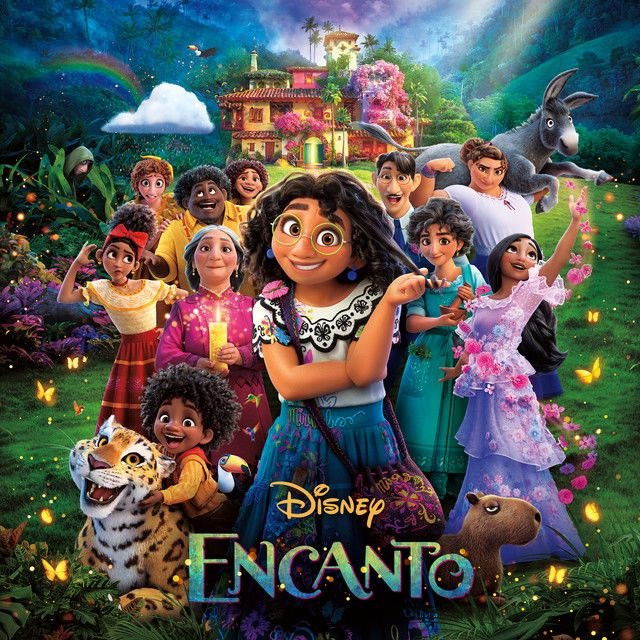
Why “Un regalo mágico” Hurts So Much
The meaning of Un regalo mágico Olga Lucía Vives comes down to one painful question: what happens when someone grows up surrounded by extraordinary people and still feels ordinary? The song turns that fear into a character study about worth, family pressure, and the need to be truly seen.
"Un regalo mágico" - Olga Lucía Vives
No me hace daño, seguiré
Hey, no importa pues todos somos Madrigal
Loading lyrics...
Unable to load lyrics
We're unable to display the lyrics at this time. Please try again later.
Performed by Olga Lucía Vives and written by Lin-Manuel Miranda, the track belongs to the emotional world of Encanto, a story built around gifts, family roles, and hidden wounds. Miranda’s involvement is widely documented through Disney and soundtrack coverage, and his songs for Encanto are known for tying character psychology to melody and rhythm. In that context, this song feels less like a side note and more like an inner monologue finally spoken out loud.
The Song’s Core: Pain Behind the Smile
At first, the narrator tries to act fine. They insist they are okay, but the lyrics quickly expose that as a defense. When they say no importa
, the idea is not true peace. It sounds like someone trying to minimize their hurt because admitting it would make it real.
That gap between what they say and what they feel is central to the song. They watch others shine and privately measure themselves against that glow. The repeated focus on a regalo mágico
is not just about fantasy power. It stands for approval, identity, and a clear place inside the family.
Watch the official Un regalo mágico
music video
A Voice Standing Outside the Circle
One of the strongest images is being alone in the hallway while the door stays shut. The song does not need long detail to make the point. The closed space becomes a symbol of exclusion.
When the narrator sings sola en el corredor
, they are not only describing a location. They are describing a social and emotional reality. Everyone else seems to enter a larger destiny, while they remain at the edge, hoping for another chance.
The Need to Be Seen
The repeated plea to open eyes pushes the song beyond sadness. It asks for recognition. The narrator does not just want a miracle to happen; they want others to look carefully enough to notice who they already are.
This is why lines about visibility matter so much. The fear is not only lacking magic. It is becoming invisible because of that lack.
How the Lyrics Move From Lack to Determination
The first half of the song lists what the narrator cannot do. They cannot move mountains, make flowers bloom, heal, or control storms. Those images matter because they name the kinds of powers that earn admiration in the Madrigal world.
But then the song shifts. Instead of only saying what is missing, the narrator begins imagining action. The phrase moveré los montes
changes the emotional temperature. Even if it sounds aspirational, it shows a person reaching toward agency.
This shift is important to the meaning of Un regalo mágico Olga Lucía Vives. The song is not simply about envy. It is about the painful birth of self-belief. The narrator wonders whether there is “something magical” inside them, but the deeper idea is that value may exist before others validate it.
Symbols That Carry the Message
Several motifs organize the song’s meaning:
- Magic: a symbol for talent, status, and belonging.
- Doors and locks: access denied, delayed identity, withheld recognition.
- Mountains and flowers: impossible standards set by others.
- Eyes: the difference between being looked at and truly seen.
These images are easy to grasp, which is part of the song’s strength. Miranda often writes with concrete objects that carry emotional weight, and that approach helps the song reach younger listeners while still speaking to adults.
Ábrelos ya
Ábrelos ya
Ábrelos ya
In context, this plea is bigger than a request for attention. It is a demand for recognition from family, community, and maybe even from the self.
How Olga Lucía Vives Sings the Conflict
Olga Lucía Vives gives the song a vulnerable but steady performance. Rather than oversinging the pain, they keep much of it intimate, which makes the insecurity feel believable. As the arrangement grows, their voice carries more urgency, matching the lyric’s move from quiet hurt to determined questioning.
From a production angle, the song follows a storytelling arc common in musical theater and Disney soundtrack writing: soft setup, emotional build, and a stronger release near the end. That structure supports the character’s inner change. The music does not erase sadness, but it gives the narrator momentum.
The Bigger Reading: Family Roles and Self-Worth
Interpretation: the song can be read as a story about anyone who feels less impressive than the people around them. In that sense, the magic is a metaphor for the traits families celebrate most: achievement, talent, usefulness, perfection.
Interpretation: it can also be heard as a critique of conditional love. The narrator seems to fear that if they cannot perform a special role, they may not fully belong. That idea is why the song resonates far beyond its fictional setting.
Why the Song Connects So Deeply
What makes this song memorable is its honesty. It captures the moment when envy, grief, hope, and determination all exist at once. The narrator does not arrive at a neat answer. Instead, they stand in the uncertainty and ask whether they can still matter.
That is the lasting meaning of Un regalo mágico Olga Lucía Vives: a person may feel unseen, ungifted, or left behind, yet still hold a value no ceremony can assign.
Disclaimer: This interpretation is based on the lyrics, performance, and publicly known context around the song and its creators. As with any art, listeners may hear different meanings.








