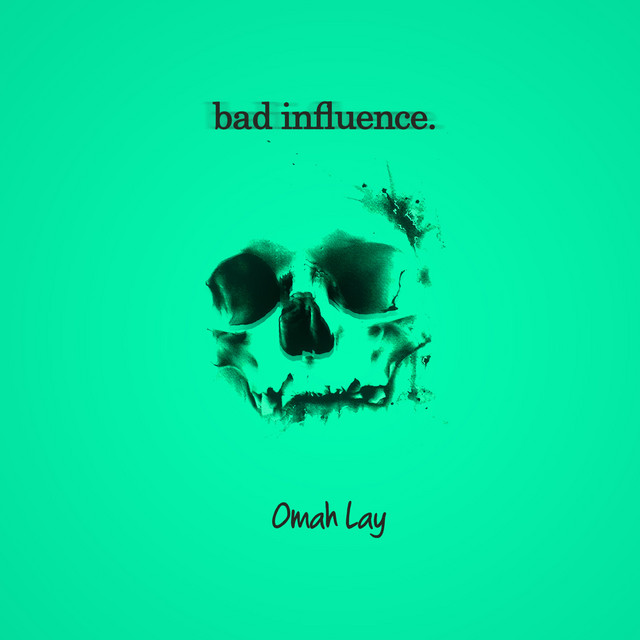
Bad Influence by Omah Lay
The meaning of Bad Influence Omah Lay centers on emotional dependence. The song sounds smooth and calm, but its story is messy: they describe someone who has fallen so hard for a lover that the relationship starts to damage their mind, body, and sense of self.
"Bad Influence" - Omah Lay
Yeah you gotta do it
Every day every time in every single place
Loading lyrics...
Unable to load lyrics
We're unable to display the lyrics at this time. Please try again later.
Released on Omah Lay’s 2020 project Get Layd, “Bad Influence” helped establish the Nigerian singer as a major voice in Afrobeats. His songs often mix desire, loneliness, and confession, and this track is one of his clearest portraits of love turning toxic.
A Love Song That Sounds Like a Warning
At its core, the song is about a person who knows they are being ruined by a relationship but cannot walk away. They admit they followed this person everywhere, trusted them, and lost control in the process. The title tells the whole story: the lover is not just attractive or exciting. They are a force that pulls the singer into destructive behavior.
That is why the song feels split in two. On one side, there is obsession and surrender. On the other, there is regret. When they repeat I know you got me now
, it sounds less like romance and more like capture. The line suggests emotional power, almost ownership.
Watch the official Bad Influence
music video
The Story Inside the Verses
The verses show the damage in vivid, everyday terms. Omah Lay does not describe heartbreak in abstract poetry alone. He makes it physical. He says this person has scatter my plans
and even put me for ambulance
. These phrases are not meant to be read as a literal accident report alone. They dramatize how badly this relationship has thrown life off course.
Interpretation: the song turns heartbreak into bodily injury because emotional pain feels real enough to touch. A broken plan becomes a broken body. A shattered future becomes a medical emergency.
There is also a strong sense of humiliation. The singer is not only hurt; they feel changed into someone they do not respect anymore. When they cry, God save me please
, the plea sounds bigger than normal sadness. They are asking for rescue from a version of themselves they no longer recognize.
Addiction, Not Just Attraction
One of the most important ideas in the song is that bad love behaves like addiction. The singer mentions drinking and smoking, then says the doctor warned that they had burnt my liver
. That line pushes the song beyond ordinary breakup pain. This is no longer just missing someone. It is self-destruction.
The song’s logic is painfully clear:
- They fall deeply for someone.
- That person lies or disappoints them.
- Instead of letting go, they spiral.
- The spiral becomes chemical, emotional, and spiritual.
This is what makes “Bad Influence” hit so hard. It captures the stage where a person knows the relationship is harmful but still keeps obeying its pull. Omah Lay underlines that loss of control when he says he did everything the other person asked. The message is simple: love has become submission.
Why the Chorus Feels So Trapped
The hook repeats ideas rather than developing a new plot, and that matters. Repetition mirrors obsession. The singer keeps circling the same pain because they are mentally stuck inside it.
I know you got me now
Followed you up and down
Now I don lost my mind
This brief sequence shows the emotional chain of the song. First comes control, then pursuit, then collapse. The chorus is catchy, but its catchiness hides panic. They are singing a confession that sounds danceable, which is one reason the track feels so haunting.
Sound, Mood, and Why the Production Matters
Part of the meaning of Bad Influence Omah Lay comes from its contrast between sound and subject. The production is light, melodic, and almost dreamy. There is no harsh explosion in the beat. Instead, the rhythm glides.
That softness matters because it reflects how toxic love often enters gently. The song does not scream danger at first. It pulls listeners in with a warm Afrobeats bounce, airy vocals, and an intimate delivery. Omah Lay’s voice often sounds tired, wounded, and close to the mic, which makes the song feel like a late-night confession rather than a public meltdown.
This style became a signature of his early breakout era, noted in coverage of his rise by Rolling Stone. He often blends vulnerable writing with smooth production, letting emotional darkness sit inside beautiful music.
Artist Context Sharpens the Meaning
Omah Lay, born Stanley Omah Didia, emerged during a moment when Afrobeats was reaching larger global audiences. What made him stand out was how personal and bruised his songs felt. “Bad Influence” fits that image perfectly. It is not a boastful track. It is a wounded one.
That matters because listeners can hear a young artist turning private chaos into a public anthem. Instead of hiding weakness, they center it. This honesty is a big reason fans connected so strongly to the song in 2020.
Two Strong Readings of the Song
Interpretation 1: A toxic romance. This is the clearest reading. A lover lies, manipulates, and leaves the singer emotionally wrecked.
Interpretation 2: A larger cycle of self-sabotage. The lover may also represent temptation itself: alcohol, impulse, dependency, and the habit of choosing what hurts. The title supports that wider reading.
Both interpretations can live together. The person may be real, but the song also shows how one bad relationship can awaken deeper destructive patterns.
The Lasting Meaning
In the end, “Bad Influence” is about what happens when love stops being healing and starts becoming corrosive. It tracks the moment attraction turns into control, then into damage. Its brilliance lies in how gently it delivers that truth.
For many listeners, the song feels painfully familiar because it captures a hard lesson: not every intense connection is good for them. Sometimes what feels irresistible is exactly what is breaking them.
Disclaimer: This article offers an interpretation based on the song’s lyrics, sound, and public context. Song meaning can remain open, and different listeners may hear it differently.








