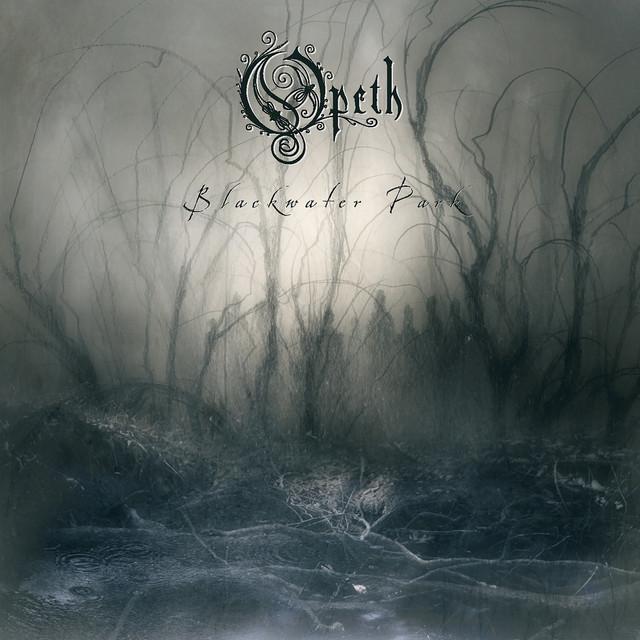
Blackwater Park by Opeth
Why the meaning of Blackwater Park Opeth feels so haunting
The meaning of Blackwater Park Opeth lies in its vision of decay. The song does not offer a neat plot or a single villain. Instead, they build a world where sickness, death, and spiritual rot seem to spread through everything.
"Blackwater Park" - Opeth
Of the tragedies in man
Lurking in the core of us all
Loading lyrics...
Unable to load lyrics
We're unable to display the lyrics at this time. Please try again later.
This is why the track feels bigger than a horror story. It sounds like a final report from a broken place, with the narrator acting less like a hero and more like a witness. That distance matters, because the song keeps asking what it means to watch suffering and think it is someone else’s problem.
Factually, “Blackwater Park” is the title track from Opeth’s 2001 album Blackwater Park, a landmark record in their catalog and a major release in progressive death metal. The album was produced by Steven Wilson and Opeth, a collaboration often noted for its balance of brutality and atmosphere.
Watch the official Blackwater Park
music video
A landscape of death, not just one event
The lyrics open with a voice that seems to confess the worst parts of human nature. Early images suggest tragedy is not rare or accidental but hidden inside everyone. Phrases like the core of us all
and brief encounters, bleeding pain
make the suffering feel both personal and universal.
From there, the song moves through scenes of disease, bodies, and confusion. The imagery of lepers coiled ’neath the trees
and dying men speaking in isolation turns the setting into something almost medieval. It feels old, cursed, and abandoned by mercy.
Interpretation: They are not just describing literal illness. The sickness also works as a symbol for moral corruption. The rot in the soil, the bodies, and the social order all reflect the same collapse.
The narrator is not innocent
One of the song’s most striking details is the speaker’s role. They are not presented as a rescuer. In fact, the narrator admits distance and coldness, describing themselves as just a spectator
and an advocate who records the losses.
That confession changes the meaning of Blackwater Park Opeth in a major way. The song becomes partly about detached observation. The narrator watches people die, studies grief, and even seems to believe the disaster will not reach them yet.
This attitude makes the later unraveling more powerful. Once chaos spreads, the gap between observer and victim disappears. The song suggests that anyone who mocks sorrow from a distance is still trapped inside the same doomed system.
How the images connect to the bigger themes
Several images repeat and deepen the song’s themes:
- Disease and infection: Rot reaches the roots, implying corruption starts below the surface.
- Crowds and spectacle: People gather around the dead, turning loss into public theater.
- Nature in decline: Trees, crops, and sunset imagery show that even the landscape is contaminated.
- Spiritual emptiness: The world feels abandoned, with no sign of renewal or rescue.
These details build toward the final image of Blackwater Park itself. It is less a map location than a total environment of ruin.
Sick liaisons raised this monumental mark
The sun sets forever over Blackwater park
Paraphrased, the ending suggests that human corruption helped create this place, and now darkness has become permanent. That is why the final line lands so hard: it is not just sunset, but the end of recovery.
Why the music makes the words hit harder
Opeth’s arrangement is central to the song’s meaning. Their style on Blackwater Park mixes death metal force with progressive structure and acoustic contrast. In this track, the guitars move between crushing riffs and eerie, cleaner passages, creating the feeling of entering and leaving a nightmare without ever escaping it.
The harsh vocals give the verses a feeling of accusation and panic. When the instrumentation opens up, the song does not become safe; it becomes ghostly. That contrast mirrors the lyrics, where observation can sound calm even while horror grows underneath.
Interpretation: The long runtime and shifting sections reflect contamination spreading. Instead of a quick shock, the song works like a slow engulfing. Each new section deepens the sense that Blackwater Park is not one scene but a whole world.
Artist context sharpens the meaning
Opeth were already known for mixing beauty and brutality, but Blackwater Park pushed that blend into a clearer, more cinematic form. Mikael Åkerfeldt wrote the song with Peter Lindgren credited as co-writer here, and the band’s writing often leaned toward dark, literary imagery rather than direct confession.
That context matters. The song is not best read as diary-style autobiography. It works more like gothic fiction set to extreme metal, where images stand in for fears about death, cruelty, and human weakness.
For American listeners coming to the band through this album, that is part of why the track still feels so rich. It invites interpretation without losing emotional force.
Two strong ways to read the song
A plague vision
One reading hears the song as a portrait of disease tearing through a community. Details about infection, dying men, and contaminated roots support that view. In this reading, Blackwater Park becomes a place defined by literal sickness and mass death.
A judgment on human nature
Another reading goes deeper into the moral language. The tragedy is already inside humanity, and the narrator’s detachment shows how people turn suffering into spectacle. Here, Blackwater Park represents the world people create when cruelty, vanity, and passivity are allowed to grow.
Both readings work, and the song is stronger because it supports both at once.
The final takeaway
The meaning of Blackwater Park Opeth is not just death. It is the spread of death through bodies, landscapes, and human behavior until darkness feels permanent. By making the narrator a watcher who cannot stay separate, Opeth turn the song into a warning about corruption and false distance.
That is also why the title track remains so powerful. It feels like the sound of a place where people helped build their own ruin.
Disclaimer: This interpretation is based on the lyrics, the recording, and publicly known context. As with many Opeth songs, ambiguity is part of the design, so different listeners may hear it differently.








