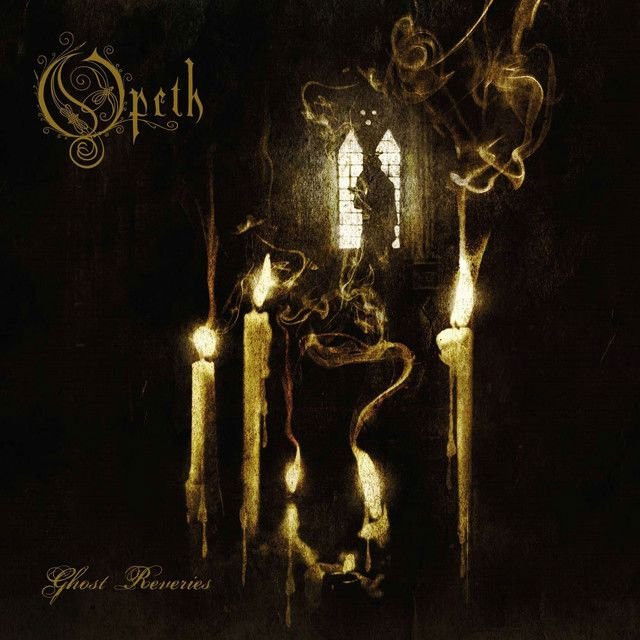
Isolation Years by Opeth
Opeth’s “Isolation Years” closes Ghost Reveries with a hush instead of a storm. That choice matters. For listeners searching for the meaning of Isolation Years Opeth, the song feels less like a plot twist and more like the final emotional wreckage after a long inner battle.
"Isolation Years" - Opeth
As I read Rosemary's letter
Her writing's honest
Loading lyrics...
Unable to load lyrics
We're unable to display the lyrics at this time. Please try again later.
Rather than using fantasy or abstraction, the song centers on a letter, a lost love, and a person trying to read pain from the marks left on a page. It is one of Opeth’s most direct portraits of loneliness, and that simplicity is exactly what gives it weight.
A Letter That Turns Into a Life Story
At the song’s core, someone reads Rosemary’s letter and realizes it carries years of damage. The opening image of Rosemary's letter
gives the song a physical object to focus on, but the real subject is emotional ruin. The letter is not just correspondence. It becomes evidence of a life shaped by waiting, absence, and grief.
The line about her writing being honest suggests there is no self-protection left. She is no longer hiding behind polite language. When the narrator notices what she has lost, the song frames isolation as something accumulated over time, not something sudden.
Interpretation: the song is about how loneliness hardens when love has already failed or disappeared. It is not only sadness in the moment. It is the record of sadness after years of carrying it alone.
Watch the official Isolation Years
music video
The Main Emotional Blow Lands in the Chorus
The repeated idea of In isolation
works like a verdict. It is not merely a mood word. It defines the condition of the character’s life. The song keeps returning to it because every detail in the letter leads back to the same truth: she is cut off, and there is no real rescue coming.
That is why the brief phrase I'll die alone
hits so hard. Opeth uses a plain statement instead of a poetic flourish. There is no dramatic metaphor softening it. The character seems to have reached a point where fear has become certainty.
The wound in me is pouring out
To rest on a lover's shore
This is the song’s one moment of larger imagery. It sounds like pain trying to travel toward comfort. Yet even here, the image feels tragic, because the wish for rest suggests that peace exists somewhere beyond reach.
Small Details Make the Grief Feel Real
One of the smartest parts of the writing is the focus on the stain by a name. The song notes that the pen seems to have slipped, leaving a mark Next to his name
. That tiny physical detail says more than a long explanation could.
It implies a hand shaken by emotion. It may point to tears, hesitation, or the shock of writing about someone gone. Either way, the mark on the page becomes proof that grief entered the body before it became language.
Interpretation: this is why the meaning of “Isolation Years” feels so intimate. The song does not just tell listeners that someone is hurting. It shows how hurt leaks into ordinary actions, even handwriting.
How Opeth’s Sound Deepens the Meaning
“Isolation Years” appears on Ghost Reveries, released in 2005, and it stands out on an album known for dramatic shifts between heaviness and atmosphere. Here, Opeth strip things down. The arrangement is gentle, slow, and patient, which lets the emotional content breathe.
Mikael Åkerfeldt’s vocal performance is key. He sings with restraint rather than force, making the song feel observed and mourned at the same time. There is sadness in the melody, but also distance, as if the narrator is discovering the full weight of the letter while reading it.
The acoustic texture and soft pacing create space around every image. Instead of overwhelming the listener, the music leaves room for silence, and that silence mirrors the emptiness the song describes. According to album credits, Mikael Åkerfeldt wrote the song, which fits his talent for mixing narrative detail with emotional ambiguity.
Who Is Speaking, and What Do They Really Know?
The narrator is in first person, but the song is not purely confessional. They are reading someone else’s pain and trying to interpret it. That creates an important distance. The song is not just about suffering; it is also about witnessing suffering too late.
That matters because the narrator seems to realize the truth gradually. At first there is longing. Then there is evidence on the page. Then comes the understanding that she knows he's gone
. This progression gives the song a quiet narrative arc.
A simple way to track it is this:
- They read a letter from Rosemary.
- They recognize years of loss in her words.
- They notice physical signs of pain on the page.
- They understand that the loved person is gone.
- They are left with the final reality of isolation.
Alternate Ways to Read “Isolation Years”
There is a strong literal reading: Rosemary has lost a lover, and the narrator is uncovering her loneliness through a letter. That is the clearest interpretation supported by the text.
There is also a broader one. Interpretation: the song may reflect emotional abandonment as much as death. The phrase about isolation remaining can describe bereavement, but it can also fit a relationship that has ended so completely it feels like a death.
That ambiguity helps the song last. Listeners can hear widowhood, heartbreak, or even the aftermath of depression in it. Opeth never over-explain the scene, so the emotional truth stays open.
Why the Song Still Lingers
The meaning of Isolation Years Opeth comes from its control. It says very little, but every image matters. A letter, a stain, a name, and a repeated state of aloneness become enough to suggest an entire broken life.
That is why the song remains one of Opeth’s most affecting endings. It trusts quiet observation over spectacle, and in doing so, it turns private grief into something many listeners can recognize.
Disclaimer: This interpretation is based on the released lyrics, the song’s musical presentation, and publicly available artist context. As with any song, some meanings remain open to the listener’s own reading.







