Why "Toast" by Koffee Feels So Triumphant
Koffee’s “Toast” sounds light on first listen, but its core message is serious: success means little without gratitude. The meaning of Toast Koffee centers on giving thanks, staying humble, and recognizing the people and faith that helped make progress possible.
"Toast" - Koffee
Gwan wid it, mi gwan wid it
(Yo Izy, are you kidding me?)
Loading lyrics...
Unable to load lyrics
We're unable to display the lyrics at this time. Please try again later.
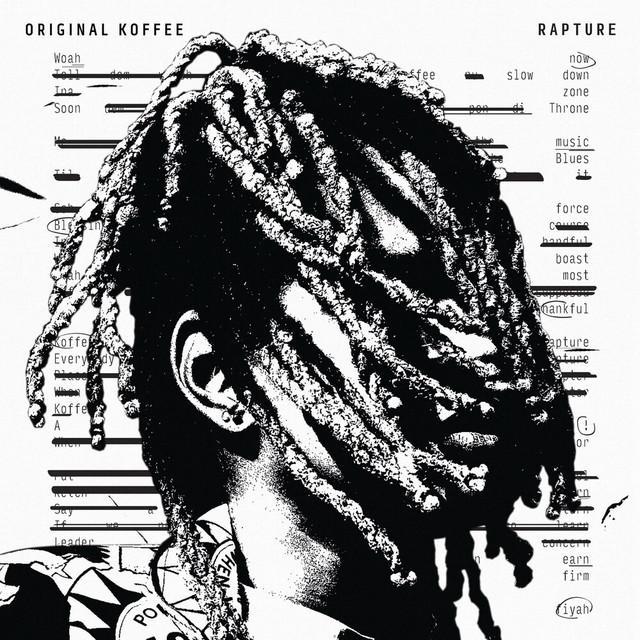
Released in 2018 and later included on Koffee’s debut EP Rapture, the song helped introduce the Jamaican artist to a global audience and became one of her breakout tracks. Koffee, born Mikayla Simpson, has spoken through her music about positivity, discipline, and spiritual grounding, and “Toast” may be the clearest example of that outlook. The track was written by Andron Francois Cross, Leighton Paul Walsh, and Mikayla Simpson.
The Song’s Main Idea Is Gratitude, Not Bragging
At the center of the song is a simple contrast: celebration versus arrogance. Koffee celebrates her rise, but she makes it clear that she does not rise and boast
. That short line matters because it sets the rules for the whole track. They are not hearing a victory lap built on ego; they are hearing a thank-you speech set to a groove.
The chorus keeps returning to thankfulness. When she says gratitude is a must
, she turns gratitude from a mood into a duty. In other words, being thankful is not optional after success. It is the correct response to struggle, growth, and new opportunity.
This is what gives the song its emotional pull. Many upbeat songs talk about winning. “Toast” talks about winning without forgetting the journey.
The Story Inside the Verses Moves From Boredom to Breakthrough
The verses sketch a quick origin story. Koffee looks back at ordinary school days, then traces the path toward music. A key moment comes when she remembers being in class and then deciding to pursue a different direction. The line about do road
suggests movement, hustle, and stepping into real life instead of sitting still.
From there, the song shows momentum. She describes trying something early and seeing it become a fire ting
, meaning it worked, caught attention, and grew fast. Then she places herself onstage with major reggae figures, signaling that the dream has become real.
This timeline matters because it keeps the song from feeling abstract. Gratitude is not just a slogan here. It is tied to specific memories: school, friends, work, opportunity, and the moments that turned passion into a career.
Friends, Faith, and Community Hold Up the Song
Another big part of the meaning of Toast Koffee is that no one succeeds alone. Koffee gives thanks for the friends who helped carry a heavy load
. That phrase suggests emotional support, practical help, or both. Either way, the song treats friendship as part of the blessing.
Faith is even more central. References to God and Jah frame success as something guided, not self-made in a total sense. When she says blessings fall by her right hand, she presents achievement as received as much as earned.
Interpretation: This makes “Toast” more than a motivational song. It becomes a spiritual testimony. The speaker is not only proud of what happened; they feel accountable for how they respond to it.
The Hook Turns a Toast Into a Ritual
The title image is clever because a toast usually marks a celebration. In this song, though, the toast is not just for fame or money. It is for survival, progress, and the people who made the climb easier.
“We haffi give thanks
like we really supposed to”
That brief refrain sums up the song’s moral center. Celebration is allowed, even encouraged, but it has to be rooted in appreciation. The hook repeats this idea enough that it starts to feel communal, almost like a chant others can join.
That helps explain why the song connected so widely. Even listeners who do not share Koffee’s exact background can understand the feeling of pausing in a good moment and recognizing what it took to get there.
The Production Sounds Bright Because the Message Is Bright
The music supports the lyrics in a direct way. “Toast” blends reggae and dancehall energy with a clean, modern bounce. The beat feels springy rather than heavy, which matches the song’s optimism.
Koffee’s delivery also shapes meaning. They hear confidence, but not aggression. Her voice is nimble and relaxed, letting the words move with conversational ease. That matters because the song is not trying to overwhelm the listener. It invites them in.
The producer tag at the start gives the track a contemporary feel, while the rhythm keeps it rooted in Jamaican musical tradition. That mix of youth, heritage, and freshness is part of why Koffee stood out so quickly.
Why “Toast” Became a Breakout Anthem
Part of the song’s impact comes from timing. Koffee arrived as a very young artist with a message that felt refreshing: ambitious, joyful, and grounded. “Toast” gave people an anthem for success that did not depend on revenge, excess, or status games.
It also helps that the song is memorable without being complicated. Its message is easy to repeat, but not shallow. Listeners can dance to it, use it as motivation, or hear it as a faith-centered reflection.
Interpretation: The song’s deeper appeal may be that it reframes success itself. Instead of asking, “How high can they climb?” it asks, “Who do they thank once they get there?” That shift is what gives “Toast” its warmth.
What “Toast” Ultimately Means
In the end, the meaning of Toast Koffee is about earned joy shaped by humility. It celebrates progress, but it refuses to separate progress from faith, friendship, and memory.
That is why the song still feels uplifting years later. It is not just about arriving. It is about remembering the road, honoring the help, and staying thankful when life finally opens up.
Disclaimer: This interpretation is based on the lyrics, performance, and public context around the song. As with any art, listeners may hear meanings that differ from this reading.








