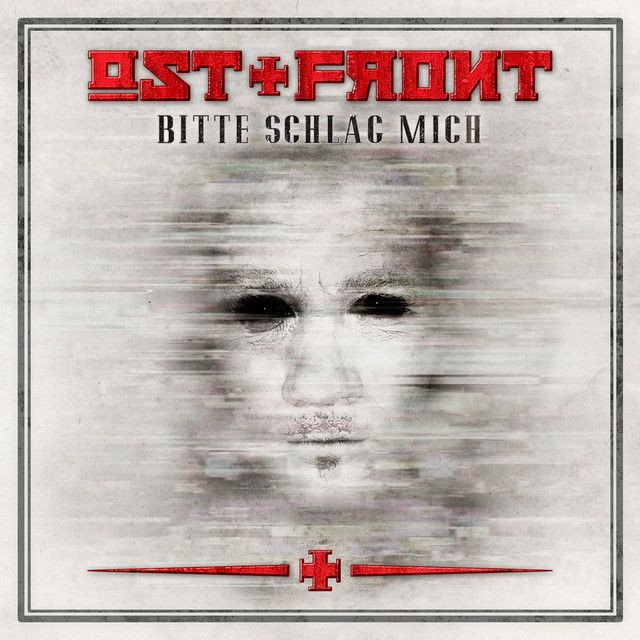
Why “Bitte schlag mich” Feels So Disturbing
The meaning of Bitte schlag mich Ost+Front starts with discomfort. The song is built to unsettle, not to soothe. Its speaker asks for violence, but the deeper effect comes from how that request is tied to loyalty, guilt, and learned obedience.
"Bitte schlag mich" - Ost+Front
Und ich bin ein Teil von dir ich weiß
Du kannst nicht immer freundlich sein
Loading lyrics...
Unable to load lyrics
We're unable to display the lyrics at this time. Please try again later.
Ost+Front are known for provocative industrial metal in the German Neue Deutsche Härte lane, a style often associated with pounding riffs, rigid rhythms, and theatrical darkness. Within that frame, this song uses shock as a doorway into something more psychological: the way pain, control, and affection can get tangled together.
A Dark Plea, Not a Simple Love Song
On the surface, the narrator directly begs for punishment. The repeated hook, Bitte schlag mich
, is impossible to ignore. But the song does more than describe physical aggression. It links pain to relief, even to a kind of peace.
That is why the chorus sounds so disturbing. The speaker says they have keine Angst
, then suggests they cannot resist suffering. In plain terms, they present pain as something expected, desired, and almost necessary.
Interpretation: Many listeners will hear this as a portrait of damaged attachment. The speaker does not just endure harsh treatment; they frame it as intimacy.
Where the Lyrics Point: Shame, Training, and Dependence
The verses matter because they add context to the hook. Early on, the narrator says their heart belongs only to them, then immediately ties their identity to another person. That contradiction hints at lost autonomy. They claim a self, but they live inside someone else’s power.
The song also brings in guilt. In a "gray night," the speaker says they did something wrong and learned a lesson from it. That idea makes punishment sound moral, almost educational. Later, they admit needing eine strenge Hand
, which frames violence as discipline rather than random cruelty.
This is where the song gets more layered. The speaker sounds trained to accept control. They even say they enjoy being "educated" by the other person, making the relationship feel less like mutual desire and more like internalized domination.
The Family Shadow Behind the Violence
One of the most important lines is Wie der Vater, so der Sohn
. In English, that means "like father, like son." It suggests that the speaker’s behavior did not appear from nowhere.
That family reference opens a larger reading of the song. The plea for punishment may reflect inherited patterns. If a father taught that love comes with force, then the adult speaker may now repeat that script.
The image of blaue Augen
is harder to pin down, but it may imply loyalty, lineage, or an idealized figure tied to memory and authority. Interpretation: Rather than a random detail, it likely supports the song’s theme of repetition—how identity is shaped by what came before.
The Chorus as a Trap
The chorus is blunt, but its repetition changes its meaning. Each return makes the speaker sound less empowered and more trapped inside compulsion.
Ich habe keine Angst
Ich finde keine Ruh'
Schlag endlich zu
These short lines, taken together, show the emotional loop: no fear, no rest, and a need for the blow to arrive. The speaker is not waiting for love or comfort. They are waiting for impact.
That is a key part of the meaning of Bitte schlag mich Ost+Front. The chorus does not celebrate freedom. It shows a person who can only imagine release through punishment.
How the Sound Carries the Message
Even without production credits confirmed here, the arrangement itself tells part of the story. Ost+Front lean on the cold, martial energy common to industrial metal: tight guitars, heavy low end, programmed-feeling rhythm, and commanding vocals. That sonic design makes the song feel mechanical and authoritarian.
The beat does not swing or relax much. It pushes forward like an order being repeated. The guitars hit with force, while the vocal delivery sounds stern and confrontational rather than tender. This matters because the music mirrors the lyric dynamic: command, response, submission.
For U.S. listeners less familiar with German industrial metal, the closest point is this: the song’s production feels like a machine acting on a body. That makes the emotional content even harsher.
Two Strong Readings of the Song
Reading One: A Literal Scene of Submission
The most direct reading is that the speaker wants punishment from a dominant figure. The lyrics support that plainly. They ask for force, call for a strict hand, and describe pleasure or relief through pain.
Reading Two: A Metaphor for Abuse and Conditioning
A second reading goes deeper. The song may be about how abuse becomes normalized. The family line, the language of teaching, and the need for punishment all suggest learned behavior. In this version, the speaker is not simply requesting harm; they have been shaped to think harm is what they deserve.
Both readings can exist at once. Ost+Front often use extreme imagery, and that allows the song to function as both a shocking scenario and a commentary on power.
Why the Song Sticks
What makes this track memorable is not just its brutality. It is the way it turns brutality into routine. The narrator sounds calm inside something terrible, which is often more chilling than anger.
For anyone searching the meaning of Bitte schlag mich Ost+Front, the clearest answer is this: the song explores submission, inherited damage, and the confusion of pain with devotion. Its industrial sound gives that theme a hard, coercive body.
Disclaimer: This interpretation is based on the lyrics, performance, and genre context available here. Like many provocative songs, it can support more than one reading.








