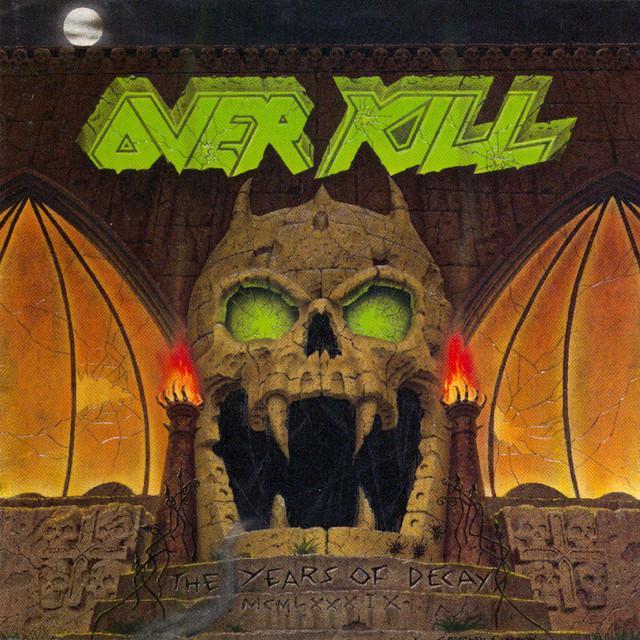
Why 'I Hate' by Overkill Still Hits Hard
The meaning of I Hate Overkill is blunt on purpose. This is not a subtle song about inner peace or careful reflection. It is a fast, angry outburst about feeling trapped in a bad job, surrounded by dishonest people, and forced to live by rules that feel unfair.
"I Hate" - Overkill
Hate this job
Tried to get out
Loading lyrics...
Unable to load lyrics
We're unable to display the lyrics at this time. Please try again later.
Overkill built its name in American thrash metal through speed, bite, and attitude, and that matters here. The song works because its frustration feels everyday, not abstract. They are not singing about fantasy violence or some distant political slogan. They are singing about the kind of pressure that can build up when life feels small, repetitive, and humiliating.
The Core Idea Beneath the Rage
At its heart, the song is about resentment boiling over. The speaker feels stuck, undercut, and boxed in. Early lines sketch that feeling with images of work and routine, including hate this job
and trapped like a dog
. Those phrases are simple, but they tell the whole story: this is a person who feels stripped of freedom and dignity.
Interpretation: The song is not praising hatred as a healthy answer. Instead, it dramatizes what happens when frustration goes unspoken for too long. The repeated cry of I hate bein' here
sounds less like a philosophy and more like a breaking point.
That is why the song still connects. Many listeners know the feeling of being in a room, workplace, or relationship where every rule seems designed by someone else. The lyrics turn that common feeling into a loud, ugly, memorable chant.
Watch the official I Hate
music video
A Voice Cornered by Work and Social Pressure
One of the smartest parts of the lyric is how ordinary the setup is. The speaker is not a king, a soldier, or a mythic antihero. They are somebody doing dull work, waiting around, swallowing disrespect, and getting angrier by the minute.
The mention of everyday labor gives the song texture. When the lyrics bring up pumpin' gas
, the image is almost mundane enough to be funny. But that is the point. The song says rage does not only come from major tragedy. Sometimes it comes from repetition, low control, and the feeling that life is slipping away in small humiliations.
Fake Smiles, Real Hostility
The second major source of anger is social betrayal. The lyrics describe people who smile in front of you and hurt you behind your back. That is a classic thrash-metal complaint, but here it lands because the song keeps it personal.
When the speaker attacks people who make ya feel small
, they are naming a familiar kind of cruelty. It is not just physical threat. It is condescension, workplace hierarchy, and emotional pressure. The song treats disrespect as something that slowly crushes the self.
How the Chorus Turns Complaint into a Statement
The chorus is built on repetition, and repetition is the whole mechanism. By listing what they hate, the speaker turns scattered irritation into a worldview. They hate the rules, the setups, the backstabbing, and the pressure to be passive.
That matters because the song keeps returning to the idea that people want them to calm down and accept it. The lyric about being called hostile, then told to relax, exposes a common social pattern: people can provoke someone, then act shocked when that person finally reacts.
I hate people that make ya feel small
I hate your rules
I hate them all
This short burst captures the song’s emotional logic. The target keeps widening. It starts with a job or a few jerks, then expands into a whole hostile environment.
Sound, Speed, and the Physical Feeling of Anger
The meaning of I Hate Overkill also comes from how it sounds. Overkill emerged from the East Coast thrash scene, and their style is known for fast tempos, tight riffing, and a punchy low end associated with the band’s classic lineup and catalog history documented by sources like AllMusic and the Encyclopaedia Metallum.
In songs like this, the instrumentation does not soften the lyric. It accelerates it. The drums push forward like mounting pressure. The guitars slash instead of glide. The vocal delivery sounds like someone forcing every word out through clenched teeth.
Interpretation: That musical aggression mirrors the song’s subject. The arrangement feels trapped too. It does not wander or dream. It charges straight ahead, like a person who has run out of patience.
More Than Anger: A Rebellion Against Smallness
There is another layer to the song beyond pure rage. It is also about refusing humiliation. The speaker does not just hate people. They hate being reduced, managed, and blamed.
That idea shows up in lines about being set up to fail and being forced to live by somebody else’s code. In that sense, the song is about dignity. The anger sounds ugly, but underneath it is a demand to be treated like a person, not a target.
This is where the song becomes bigger than one bad day. Interpretation: It can be heard as a working-class scream against systems that make people feel disposable. Even if the lyrics are rough and direct, the emotional root is recognizable: they want space, respect, and honesty.
Why It Endures for Thrash Fans
Overkill has long appealed to listeners who like thrash with grit rather than polish, as shown in career overviews from outlets like Louder and Britannica. "I Hate" lasts because it keeps its message simple enough to shout along with, but specific enough to feel lived in.
It does not offer a solution. It offers recognition. For some listeners, that is enough. The song gives ugly feelings a shape and a beat.
Final Take on the Meaning
The meaning of I Hate Overkill is the sound of a person pushed past courtesy. It is about dead-end work, fake people, unfair rules, and the humiliation of being talked down to.
Interpretation: The song’s real subject may be self-respect under pressure. Hate is the language it uses, but the wound underneath is powerlessness.
Disclaimer: This interpretation is based on the lyrics, performance, and available artist context. As with most songs, listeners may reasonably hear different meanings in it.








