Why "Hellraiser" Turns Burnout Into Power
The meaning of Hellraiser Ozzy Osbourne starts with a contradiction. The song says life on the road is draining, risky, and repetitive, yet it also treats that life as the source of purpose. Rather than hiding the damage, it turns burnout into identity.
"Hellraiser" - Ozzy Osbourne
Around the world for rock and roll
Sometimes it feels so tough
Loading lyrics...
Unable to load lyrics
We're unable to display the lyrics at this time. Please try again later.
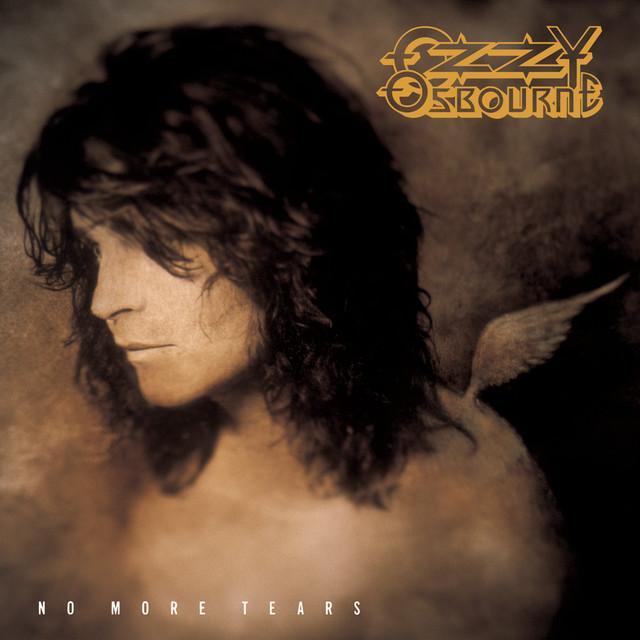
Recorded for Ozzy Osbourne’s 1991 album No More Tears, the song was written by Ozzy, Zakk Wylde, and Lemmy Kilmister. Motörhead later recorded its own version for March ör Die in 1992. That shared history matters because both Ozzy and Lemmy built public images around surviving chaos while feeding on it.
The Core Idea Hiding in Plain Sight
At its heart, the song is about a performer who cannot quit the very life that wears them down. The verses describe endless travel, pressure, and nerves, but each complaint circles back to desire. When the singer says they are on an endless road
, the image is not romantic. It suggests a cycle with no real stopping point.
Still, they admit they have not had enough. That is the emotional key. The song is not just bragging about being wild. It is showing addiction to performance itself: the crowd, the volume, the lights, and the temporary high of stepping onstage.
Interpretation: the “hellraiser” persona is partly armor. By turning exhaustion into a larger-than-life character, the singer makes the grind sound powerful instead of painful.
Watch the official Hellraiser
music video
A Touring Song With No Soft Focus
Many rock songs celebrate fame in a dreamy way. “Hellraiser” is more blunt. It names the routine: another town, another stage, another push forward. The singer also admits nerves are real. That detail keeps the song from becoming a simple victory lap.
When they describe feeling alive in the noise and the light
, the idea is clear: the stage is both overstimulation and medicine. In normal life, the schedule may be punishing. Under the lights, though, all that pressure becomes fuel.
That tension fits Ozzy’s era around No More Tears, an album widely seen as a major commercial and artistic peak in his solo career. The record blended heavy riffs with polished hooks, helping songs hit hard without losing accessibility.
Why the Chorus Feels Bigger Than the Story
The chorus simplifies everything into one identity: Hellraiser
. That word turns the singer from a tired traveler into a force of nature. It is a smart shift. The verses show human limits; the chorus answers with myth.
Short phrases like thunder and heat
make the performance feel elemental, almost weather-like. The crowd is not just watching a set; they are being hit by an event. Then the line put a spell on you
frames rock performance as a kind of magic act. The singer wins people over not by reason, but by energy and presence.
Interpretation: the chorus may be less about rebellion in daily life and more about stage transformation. Offstage, the singer feels strain. Onstage, they become the role they are expected to play.
Sound First, Meaning Second
The song’s meaning is also carried by its sound. Zakk Wylde’s guitar style helps sell the message. The riffs are thick, muscular, and direct, giving the track a stomping confidence. The tempo pushes forward like a machine, echoing the idea of constant motion.
Ozzy’s vocal delivery matters too. They do not sound calm or reflective. They sound urgent, slightly stretched, and energized by the band’s force. That creates an important emotional effect: even when the lyrics mention stress, the music refuses collapse.
This is why the song feels triumphant even though its details are weary. The production wraps anxiety in power chords and momentum. The listener hears struggle, but they feel adrenaline.
The Lemmy Connection Deepens the Meaning
A big part of the song’s appeal comes from Lemmy’s co-writing credit. According to available song references, Ozzy’s version appeared in 1991 and Motörhead recorded its own version in 1992. That cross-recording history gives “Hellraiser” extra weight because Lemmy and Ozzy represented overlapping but distinct versions of rock excess.
Lemmy’s presence sharpens the song’s honesty. There is swagger here, but also acceptance of cost. People say the lifestyle is bad for one’s health; the singer hears it and keeps going anyway. That attitude fits Lemmy’s plainspoken image perfectly.
It also explains why the song never sounds apologetic. They know the warnings. They simply do not believe rest can replace the rush.
Two Strong Readings of the Song
Reading One: A Portrait of Rock Addiction
The clearest reading is that the song is about dependence on performance. Not drugs, not fame alone, but the total ritual of touring. Travel, nerves, lights, and crowd energy become a loop the singer cannot break.
Reading Two: A Self-Created Legend
Another reading is that the song shows how artists survive pressure by becoming characters. “Hellraiser” is a mask that turns fear into command. Instead of admitting weakness, the singer steps into a role built to dominate the room.
Both readings can be true at once. In fact, the song works because it keeps them fused together.
Why "Hellraiser" Still Connects
The meaning of Hellraiser Ozzy Osbourne lasts because it captures a familiar human pattern: people often cling to the very thing that exhausts them, especially when it also gives them identity. In this case, the thing is rock performance.
The song does not offer balance or a lesson about slowing down. It offers recognition. Some people burn bright because they do not know how to live any other way.
That is what makes “Hellraiser” more than a tough-sounding metal track. It is a song about the cost of becoming the person the spotlight demands.
Disclaimer: This interpretation is based on the released lyrics, credited writers, and the song’s recording context. As with any song, listeners may hear meanings that differ from this reading.








