What ‘Maria Passa à Frente’ Really Means
A Prayer Song More Than a Pop Song
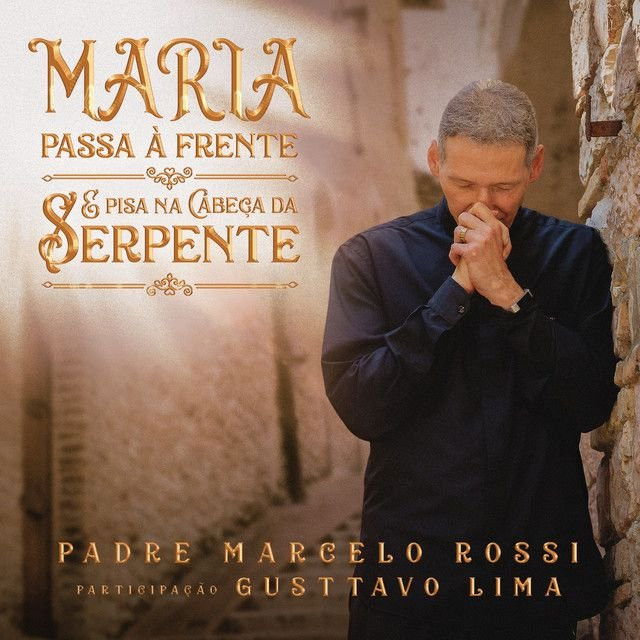
The meaning of Maria Passa à Frente Padre Marcelo Rossi, Gusttavo Lima begins with a simple idea: this is a song about asking Mary to go ahead of believers, protect them, and lead them toward Jesus. It is less a story song than a sung prayer.
"Maria Passa à Frente" - Padre Marcelo Rossi ft. Gusttavo Lima
Mas nunca vai te derrubar
Você pode até cair
Loading lyrics...
Unable to load lyrics
We're unable to display the lyrics at this time. Please try again later.
Padre Marcelo Rossi is known in Brazil for turning Catholic devotion into accessible popular music, while Gusttavo Lima brings a familiar mainstream voice from Brazilian sertanejo. According to publicly available discography listings, this collaboration appears as a non-album release credited to Padre Marcelo Rossi featuring Gusttavo Lima, and Gusttavo Lima is a major Brazilian singer with a long chart history in sertanejo and related styles. Those facts help explain why the song reaches both church listeners and broader popular audiences.

Watch the official Maria Passa à Frente
music video
The Core Message: Protection, Trust, and Renewal
At its heart, the song tells listeners that evil may attack, but it will not have the final word. Early lines say, in effect, that a person may fall yet rise again. The song uses short, direct language to offer comfort, not complexity.
That is why phrases like never bring you down
and you will rise again
matter so much. They frame faith as active endurance. The believer is not promised an easy life. They are promised help, strength, and recovery.
This is where the song shifts from encouragement into devotion. It says that those who turn to Mary are led into the love of Jesus. In Catholic belief, Mary is not treated as replacing Christ, but as an intercessor who helps carry prayers to him. The repeated call to Mary is therefore a request for guidance, not a claim of independent power.
Why the Chorus Feels So Strong
The chorus is the emotional and spiritual center. When the singers repeat Maria passa à frente
, they are asking Mary to go before them into danger, fear, and uncertainty. The image is vivid: the believer is not walking alone.
The next line uses one of the song’s strongest symbols, head of the serpent
. In Christian imagery, the serpent often stands for evil, temptation, or the forces that pull people away from God. So the song turns a private prayer into a battle image. It says protection is not only gentle; it is also victorious.
That same idea appears in the brief prayer for light and guidance:
Intercede with Jesus
Holy Cross, be my light
These lines connect Marian devotion to Christ and the Cross. In plain terms, the song says: lead them forward, defend them, and keep them in divine light.
How the Verses Build the Theme
From struggle to surrender
The verses move in a clear order:
- Trouble exists.
- The believer may stumble.
- Faith allows them to stand again.
- Trust is placed in Jesus, with Mary asked to intercede.
That order matters. The song does not begin with triumph. It begins with threat. Then it responds with surrender and confidence. When the singer says they will trust in Jesus’ love, the message becomes personal. This is not abstract theology. It is a practical act of faith during hardship.
Repetition as reassurance
Some listeners may notice how often the hook returns. Interpretation: that repetition is the point. In devotional music, repeating the same prayer can create calm, focus, and collective feeling. The chorus works almost like a rosary response. Each return deepens the sense of safety.
Artist Context Shapes the Meaning
Padre Marcelo Rossi’s role is central because he often presents religious ideas in language meant for everyday listeners. The song fits that mission. It is direct, communal, and easy to sing in a church setting or at home.
Gusttavo Lima’s presence adds another layer. He is one of Brazil’s best-known popular singers, with major success in sertanejo and an international breakthrough with songs like “Balada,” as summarized in his career history. His voice helps the track bridge sacred and mainstream music. For U.S. readers, the easiest comparison is a crossover between a worship leader and a country-pop star.
That blend matters because the song’s message is meant to travel beyond strictly religious spaces. It sounds devotional, but it is also accessible, melodic, and emotionally immediate.
How the Sound Carries the Meaning
The production supports the lyric’s purpose. Rather than sounding dark or dramatic, the arrangement feels open, steady, and uplifting. The tempo is measured, which gives the prayer room to breathe. The melody rises in a way that mirrors the lyric’s promise of getting back up after a fall.
The vocal style is also important. Padre Marcelo Rossi brings authority and warmth, while Gusttavo Lima adds polish and mass appeal. Together, they make the song feel both intimate and public, like a personal prayer sung in a crowd.
Interpretation: the repetitive structure and accessible harmony are meant to make faith feel usable. Listeners do not just hear a message; they can join it.
A Devotional Reading for U.S. Listeners
For listeners in the United States, some of the Marian language may feel unfamiliar if they come from non-Catholic backgrounds. The song makes the most sense when heard as a Catholic prayer of intercession. Mary is asked to “go ahead,” while Jesus remains the source of salvation and God the highest power. That is why the lyric keeps returning to divine love and the claim that God is greater than any threat.
In broader terms, the song is about handing fear over to faith. It tells people facing pressure, doubt, or spiritual anxiety that they are not abandoned.
Final Take: Why the Song Connects
The meaning of Maria Passa à Frente Padre Marcelo Rossi, Gusttavo Lima is ultimately about spiritual protection, resilience, and trust. Its lyrics are simple on purpose. They move from danger to hope, from weakness to strength, and from fear to prayer.
That is why the song connects so deeply: it gives listeners words for moments when they feel overwhelmed and want someone holy to lead the way.
Disclaimer: This interpretation is based on the song’s lyrics, Catholic devotional context, and the artists’ public musical profiles. Meaning can vary by listener and faith background.







