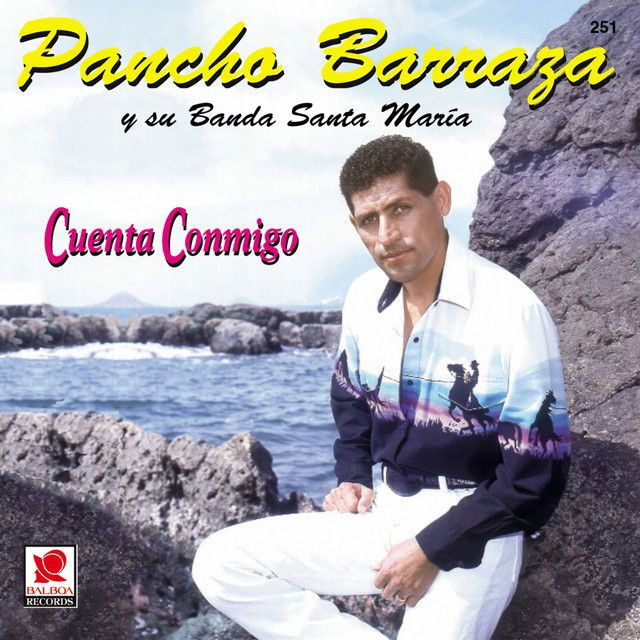
Mi Amor Y Mi Agonía by Pancho Barraza
The meaning of Mi Amor Y Mi Agonía Pancho Barraza centers on a painful contradiction: the singer knows a love is hurting them, yet they still hold on. This is not a simple breakup song. It is a portrait of emotional dependence, where love feels inseparable from suffering.
"Mi Amor Y Mi Agonía" - Pancho Barraza
Estoy disfrutando tus mentiras
Entre mi sangre yo te llevo
Loading lyrics...
Unable to load lyrics
We're unable to display the lyrics at this time. Please try again later.
Pancho Barraza has long been known in regional Mexican music for dramatic, deeply felt ballads, a style reflected across his official artist presence on Apple Music. In this song, that emotional directness is the main force. The title itself joins two ideas that should oppose each other—love and agony—showing the conflict before the first verse even begins.
A Love They Know Is Bad for Them
At the song's core, the narrator is speaking to someone they cannot quit emotionally. They do not pretend the relationship is healthy. In fact, they openly admit they are living with deception and pain. When the song mentions tus mentiras
, it signals that the other person has already broken trust.
Still, the narrator does not walk away. Instead, they say this person lives in their blood and daily life. That image suggests obsession, not just affection. The loved one is no longer an outside presence; they have become part of the narrator's inner world.
Interpretation: The song is about loving someone beyond reason, to the point where pain starts to feel normal. Rather than choosing peace, the narrator chooses attachment.

Watch the official Mi Amor Y Mi Agonía
music video
The Voice of Self-Punishment
One of the strongest ideas in the lyric is not just heartbreak, but self-inflicted suffering. The narrator admits they almost cooperate with their own misery. When they say me castigo
, the song frames love as a kind of punishment they accept willingly.
That matters because it shifts the story. This is not only about what the other person did. It is also about the narrator's inability to stop loving them. The phrase más allá de la razón
makes that even clearer: this feeling has moved past logic.
En mi tormento, más que en mi esperanzaMe siento mal, pero eres parte de mis días
This brief passage captures the emotional trap. The loved one no longer represents hope. They represent torment. Yet the narrator still cannot imagine daily life without them.
How the Verses Build the Song's Theme
The song develops in a simple but effective pattern:
- The narrator begs the other person not to leave.
- They confess they are enduring lies and emotional damage.
- They admit their love has grown irrational.
- They recognize the beloved has become
mi tormento
rather than comfort. - They finally imagine that one day they may try to forget.
That last turn is important. The line about trying to forget mi amor y mi agonía
does not sound confident. It sounds distant and uncertain. They do not say they are ready now. They only say that someday they will try.
Interpretation: This hesitation suggests the narrator is still trapped in the relationship emotionally, even if they can already name the damage.
Why the Chorus Hurts So Much
The chorus lands because it does two things at once. It names the beloved as suffering, but it also shows why escape is so hard. The narrator feels bad, knows the situation is destructive, and still treats the other person as part of everyday existence.
That emotional blend is what gives the song its staying power. It is not pure anger, and it is not pure longing. It sits in the middle, where many real heartbreak stories live. The singer is too wounded to call it happiness, but too attached to call it over.
For listeners in the United States who connect with regional Mexican ballads, this is a familiar emotional framework: love is intense, pride is damaged, and memory keeps the wound open.
How Pancho Barraza's Style Supports the Meaning
Pancho Barraza built his reputation in banda and regional Mexican music, including work noted by AllMusic. Songs in this tradition often use brass, steady rhythm, and a vocal style that balances elegance with ache.
Even without overcomplicated writing, the production style typically helps songs like this feel heavier. A slow-to-mid tempo lets each confession sit. The melody tends to stretch emotional words, making regret sound lived-in rather than theatrical. In a performance context, Barraza's voice often carries controlled pain, which suits a lyric about staying with hurt instead of escaping it.
Interpretation: The arrangement likely matters because the song is built less on plot than on feeling. The sound gives weight to emotional repetition, which mirrors the narrator's inability to break the cycle.
A Few Key Images That Unlock the Song
Several recurring ideas shape the emotional world:
Blood and daily life
When the loved one is described as being carried within the narrator, it suggests total emotional absorption. This is stronger than romance; it feels almost like possession.
Torment versus hope
The song contrasts what love should be with what it has become. Hope has been replaced by distress, yet devotion remains.
Future forgetting
The promise to forget someday offers only a weak light. It is not healing yet. It is just the idea of healing.
Final Take on the Song's Meaning
The meaning of Mi Amor Y Mi Agonía Pancho Barraza is the pain of loving someone who has become both comfort and damage. The narrator sees the truth clearly: this relationship is built on lies, emotional punishment, and unhealthy attachment. But clarity does not equal freedom.
That is why the song resonates. It understands a hard reality of heartbreak: sometimes people do not stay because love is good. They stay because love has fused itself to identity, routine, and memory.
Disclaimer: This interpretation is based on the lyrics, title, and known artistic context. As with any song, listeners may hear different meanings in its emotional details.








