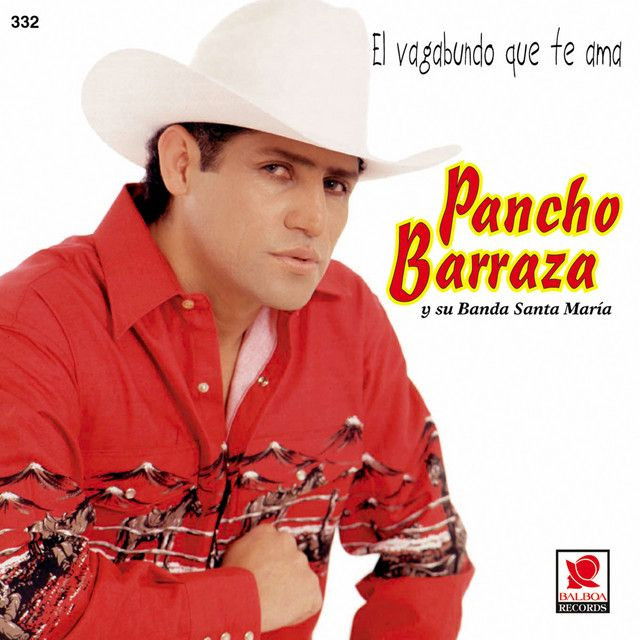
Why “Mi Enemigo El Amor” Hits So Hard
The meaning of Mi Enemigo El Amor Pancho Barraza comes down to a painful truth: love can bring out tenderness, but it can also expose insecurity. In this song, the narrator does not blame fate or a cruel partner. They admit that jealousy, fear, and impulsive words nearly destroyed the relationship.
"Mi Enemigo El Amor" - Pancho Barraza
Mientras más amor más celos
Y entre más celos más llanto
Loading lyrics...
Unable to load lyrics
We're unable to display the lyrics at this time. Please try again later.
Written by Francisco Javier Barraza Rodríguez, the song carries the confessional style that has long defined Pancho Barraza’s romantic catalog. Rather than presenting heartbreak as simple bad luck, it shows how a person can become their own worst enemy when love turns into control.
The Real Conflict Is Inside the Singer
At first glance, the title sounds dramatic. Calling love an enemy suggests betrayal. But the verses make a more specific point: the real problem is not affection itself, but what affection awakens in an insecure person.
The opening idea says love makes people foolish, then links stronger love to more jealousy, and jealousy to more tears. That chain matters. The narrator sees a pattern, not a single mistake. When they say mi enemigo era el amor
, the line works as a confession of emotional chaos, not a literal rejection of romance.
Interpretation: the song treats love like a mirror. It reflects the narrator’s weakness back at them until they are forced to name it.
Watch the official Mi Enemigo El Amor
music video
A Story of Damage, Regret, and Return
The song unfolds like a short relationship drama with clear stages:
- They fall deeply in love.
- That love turns into suspicion and pointless arguments.
- They hurt their partner with accusations and foolish behavior.
- They beg for forgiveness.
- The partner returns, but only after real pain has been felt.
That middle section is crucial. The narrator admits they lost love by acting foolishly and by complaining a lo tonto
—in other words, for no good reason. They also confess they doubted their partner and said hurtful things. This honesty gives the song weight. It is not a performance of macho pride. It is an account of emotional failure.
Why the Chorus Feels So Exposed
The chorus turns the inner problem into visible suffering. The narrator says they cried como un chiquillo
to ask for forgiveness. That image strips away pride. They are no longer defending themselves. They are reduced to a childlike state, overwhelmed by guilt and loss.
There is also a strong contrast in the partner’s response. Their wounded heart denies affection at first, showing that apologies do not erase damage right away. The pain is real, and the song does not skip past it.
Con el llanto en los ojos
me abrazó y me dijo amor
Those brief lines capture the emotional turn. Reconciliation happens, but not in a triumphant way. It arrives through tears, softness, and a request to become more reasonable.
Jealousy Is the Song’s True Villain
One reason the meaning of Mi Enemigo El Amor Pancho Barraza resonates is that it describes a common emotional trap. Loving someone deeply can make a person feel vulnerable. Instead of handling that fear with trust, the narrator tries to manage it with control, complaints, and suspicion.
The lyric idea about “doubts” nearly killing them is dramatic, but it fits the song’s style. In regional Mexican ballad writing, emotion is often heightened so listeners can feel the stakes. Here, doubt becomes almost physical. It presses on the mind until the relationship starts to collapse.
Interpretation: the title may be slightly ironic. Love is called the enemy, but jealousy is the real force doing harm. Love only becomes “the enemy” when it is mixed with immaturity.
How Pancho Barraza’s Style Supports the Meaning
Pancho Barraza is known for romantic songs in the regional Mexican tradition, especially styles shaped by banda and grupera storytelling. In that world, the voice carries the drama as much as the words do. Even without breaking down a studio credit list, listeners can hear how the arrangement supports confession: a steady tempo, melodic phrasing built for lament, and a vocal delivery that leans into vulnerability rather than swagger.
That matters because the song would feel very different if sung with anger. Instead, it sounds remorseful. The likely brass-and-rhythm foundation common to Barraza’s style gives the song emotional lift, while the melody keeps circling back to sorrow and pleading. The performance tells listeners this is not a revenge song. It is an apology song.
The Ending Offers Mercy, Not a Free Pass
When the partner returns, the song does not suggest everything is magically fixed. Their embrace comes with a plea to think clearly and behave better. In that sense, the ending is hopeful but conditional.
The final message is simple: love survives only when jealousy is brought under control. The narrator learns that devotion alone is not enough. Without trust, even deep affection can become destructive.
Why the Song Still Connects
What makes this song memorable is its plainspoken honesty. It names a feeling many people would rather hide: the shame of realizing they caused the damage they are crying about. That self-awareness gives the song emotional credibility.
For listeners in the United States who come to regional Mexican music for direct storytelling, this track offers exactly that. It is intimate, dramatic, and easy to understand, yet it still leaves room for reflection.
In the end, the meaning of Mi Enemigo El Amor Pancho Barraza is not that love is the enemy. It is that fear, jealousy, and reckless words can disguise themselves as love until someone gets hurt.
Disclaimer: This interpretation is based on the song’s lyrics, performance, and widely understood themes, and it may differ from the artist’s private intent.








