Why This Panic! Song Loves the Chaos
The meaning of Don't Threaten Me with a Good Time Panic! at the Disco starts with a joke. The title takes a warning and flips it into a yes. In everyday slang, that phrase means a person finds the so-called threat exciting, not scary. That basic idiom matters here because Panic! at the Disco use it to frame a song about excess, hangovers, and the thrill of losing control.
"Don't Threaten Me with a Good Time" - Panic! at the Disco
Alright, alright
Alright, alright, it's a hell of a feeling though
Loading lyrics...
Unable to load lyrics
We're unable to display the lyrics at this time. Please try again later.
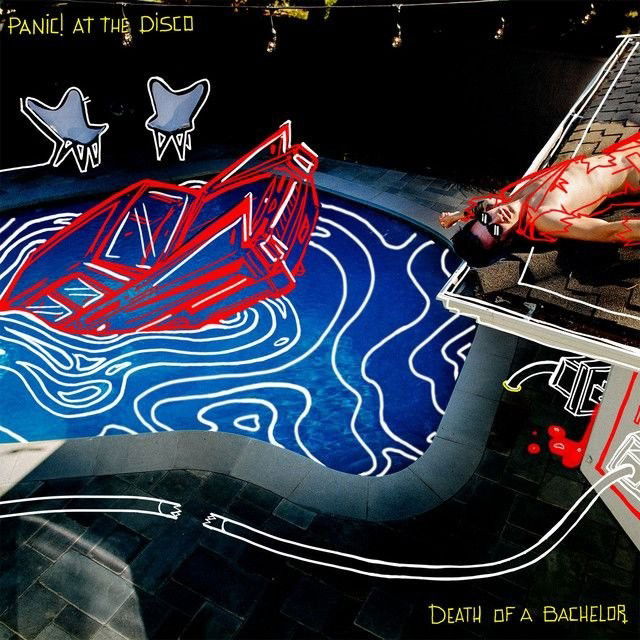
Released on December 31, 2015 as a promotional single from Death of a Bachelor, the track arrived as part of an album tied to Brendon Urie's transition out of single-life mythology and into a new era. Factually, the song appears on the 2016 album and samples The B-52s' "Rock Lobster," which helps explain its instantly unruly energy. It was also certified 2× Platinum in the United States. Those details are documented by publicly available release and certification sources.
The Morning-After Story Beneath the Hook
On the surface, the song is simple: someone wakes up after an extreme night and tries to piece together what happened. The opening images are comic and messy. When the narrator asks Who are these people?
, the joke is not just confusion. It shows how far the night has gone and how little control is left by morning.
From there, the song piles on absurd snapshots: strange clothes, weird locations, and fragments of memory. That structure matters. Rather than telling one clean story, it recreates a blackout in pieces. The listener gets a collage of moments instead of a stable timeline.
Interpretation: That broken-up storytelling suggests more than a party recap. It turns excess into a performance. The narrator is both living the chaos and narrating it like a legend they cannot fully remember.

Watch the official Don't Threaten Me with a Good Time
music video
A Song About Pleasure With Consequences
The best-known line, Champagne, cocaine, gasoline
, acts like a mission statement. It compresses the whole song into three loaded images: luxury, intoxication, and danger. Even before the listener unpacks each word, the list feels combustible.
What makes the song interesting is that it never sounds ashamed for long. The chorus pushes forward with raise hell and turn it up
, as if every warning only fuels the fun. That is where the title lands hardest. The singer is basically saying: if this night might end badly, that only makes it sound more tempting.
Still, the lyrics leave signs of damage everywhere. The narrator wakes in confusion, cannot find clothes, and struggles to tell dream from reality. So while the song is loud and funny, it also hints at emptiness after the rush.
Interpretation: The track celebrates hedonism, but it also exposes how ridiculous it looks in daylight.
How Brendon Urie's Context Shapes the Meaning
Artist context sharpens the reading. In interviews summarized by music-reference outlets, Urie described the song as autobiographical and connected it to his own party history. He also framed Death of a Bachelor as part of a larger reflection on bachelor life ending, which fits the album title and the song's tone.
That matters because the track does not sound like a moral lesson from a distance. It sounds like someone inside the experience, laughing while admitting the mess. The humor in lines like I'm not as think
points to a self-aware narrator. They know they look foolish, but they keep the joke going.
This balance between swagger and self-mockery is a big reason the song works. Without that wink, it might feel empty. With it, the song becomes a portrait of someone seduced by excess and aware of its stupidity.
The Sound Makes the Party Feel Cartoony
Production does a lot of meaning-making here. The song was produced by J.R. Rotem and Jake Sinclair, and its blend of pop rock, surfy guitar flavor, synth sheen, and hip-hop-influenced bounce gives it a hectic, carnival feel. Most importantly, the "Rock Lobster" sample brings in a knowingly weird party history.
Urie has said that The B-52s represented pure party energy to him, and that instinct comes through. The sample is not there just for nostalgia. It makes the whole song feel exaggerated and campy, almost like a movie montage of a night spinning out of control.
That choice keeps the song from becoming grim. Even when the lyrics suggest danger, the arrangement stays bright, punchy, and playful. The music tells the listener not to read the wreckage as tragedy. It is spectacle.
Symbols of Excess, Status, and Collapse
Several images repeat the same idea in different costumes:
shopping cart
turns urban chaos into comedy.- A
smoke alarm
hints at destruction and bad decisions. - The pool, footprints, and missing clothes suggest aftermath rather than glamour.
- Costume details, including heels and a party hat, make identity feel fluid and theatrical.
These details matter because they blur class, gender play, and party culture into one surreal scene. The narrator moves between elegance and trashiness in seconds. One minute there is champagne; the next there is a shopping cart. That contrast suggests that the high-life fantasy is unstable from the start.
So What Is the Song Really Saying?
The meaning of Don't Threaten Me with a Good Time Panic! at the Disco is not just "partying is fun." It is closer to this: pleasure can feel so intense that people treat obvious consequences like part of the attraction. The song captures that reckless logic perfectly.
A second reading is also plausible. Interpretation: the track may be poking fun at the myth of the unstoppable party guy. The narrator sounds powerful at night, but ridiculous by morning. That tension gives the song its staying power.
In the end, Panic! at the Disco turn a hangover story into a character study. They show a person who meets chaos with a grin, even when the evidence says they probably should not.
Disclaimer: This interpretation mixes documented context with critical reading. Song meaning can remain open, and different listeners may hear the track differently.








