The Good, the Bad and the Dirty by Panic! at the Disco
Why This Song Loves the Mess
The meaning of The Good, the Bad and the Dirty Panic! at the Disco comes down to identity under pressure. The song presents a speaker who knows they are judged, desired, and misunderstood all at once. Instead of cleaning that image up, they turn it into a badge.
"The Good, the Bad and the Dirty" - Panic! at the Disco
The good, the bad, and the dirty
Oh whoa oh whoa oh, oh whoa oh
Loading lyrics...
Unable to load lyrics
We're unable to display the lyrics at this time. Please try again later.
That is what makes the title phrase so important. It does not separate people into neat boxes. It mixes them. In this song, attraction, shame, swagger, and damage live in the same place.
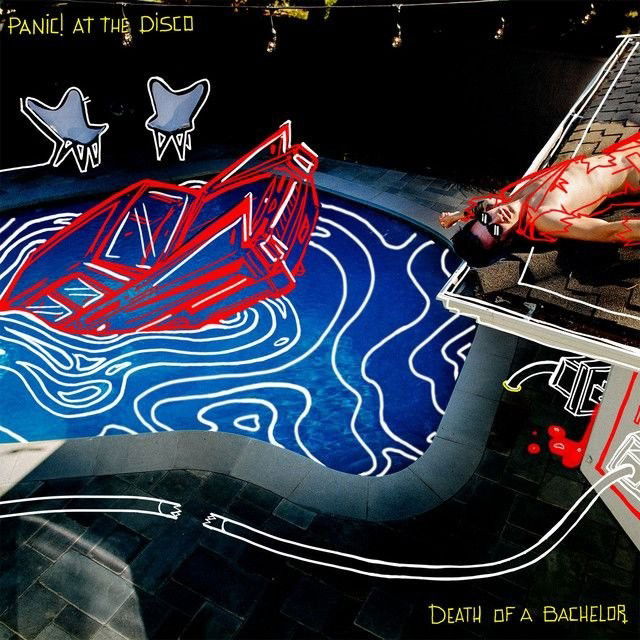
Factually, the track appears on Death of a Bachelor (2016), the album that pushed Panic! at the Disco further into Brendon Urie’s solo-led era. It was written by Brendon Urie, Jake Sinclair, and Lauren Pritchard, with Sinclair closely tied to the album’s sound and production identity.

Watch the official The Good, the Bad and the Dirty
music video
A Narrator Caught Between Desire and Reputation
The opening verse sounds resigned from the start. When the song says always going to end
, it frames the relationship or situation as doomed before it even fully begins. That gives the track a restless energy: they already know the crash is coming, so they lean into the thrill.
Another early image, symphony buzzing in my head
, suggests overstimulation. Their thoughts are loud, dramatic, and hard to shut off. This fits the Panic! style of turning private emotion into stage-sized spectacle.
Interpretation: The line about a market of filth
sounds like more than romance. It may point to celebrity culture, where scandal sells and image becomes product. In that reading, the narrator knows messiness has value, even when it costs them something personal.
The Chorus Turns Judgment Into Power
The hook is simple, but it carries the whole song. Instead of asking to be understood, the narrator demands recognition. The line say my name
makes identity feel confrontational, almost theatrical.
Then the chorus attaches that identity to the title phrase, turning insult into self-description. Good, bad, and dirty stop being separate moral categories. They become one persona.
This is why the fight imagery matters too. When the song says throw the first punch
, it presents conflict as expected. They live in a world where people attack first, judge quickly, and then act shocked by the result. The chorus answers that by saying: if they want to talk about them, they should use the full complicated name.
What the Verses Suggest About Relationships
On one level, the song is about romantic chaos. The speaker sounds pulled toward someone they cannot fully trust or forget. The middle of the song hints at replacements, rebounds, and emotional avoidance rather than healing.
You been gone so long
I forgot what you feel like
Those two lines capture the strange center of the song. The absence is real, but the reaction is not clean heartbreak. Instead, the narrator moves toward physical distraction and social drama.
Interpretation: That makes the song less about lasting love than about what people do after intimacy turns unstable. They seek attention, bodies, noise, and motion so they do not have to sit still with loss.
Sound First, Then Meaning
A big part of the meaning of The Good, the Bad and the Dirty Panic! at the Disco lives in its sound. The production is bright, punchy, and polished. The drums hit with pop precision, while the chant-ready chorus feels built for a crowd.
That matters because the lyrics deal with dirt, judgment, and emotional confusion, yet the music feels sleek and stylish. This contrast is classic Panic!: make turmoil sound glamorous. The result is a song where moral mess becomes danceable.
Brendon Urie’s vocal delivery also helps. They sing with swagger at key moments, but there is tension under that confidence. The voice sells bravado while hinting that the bravado is defensive.
Themes Hiding in Plain Sight
Morality as Performance
The song questions the idea that anyone is purely innocent. The mention of good girls act so good
hints that social roles are often performances. People behave until desire, jealousy, or opportunity breaks the script.
Fame, Persona, and Public Judgment
Another strong reading is that the track reflects life in the spotlight. Panic! at the Disco often played with excess, image, and theatrical identity, and this song fits that tradition. The title sounds like a tabloid label that the narrator chooses to own.
Survival Through Reinvention
The track keeps moving forward. Even when the speaker admits confusion, they do not stay in self-pity. They remake pain into style, conflict into rhythm, and shame into a hook.
The Strongest Reading of the Song
The clearest takeaway is that this is a song about accepting contradiction. They are not asking to be seen as purely good. They are also not collapsing under being called bad or dirty. They combine all three and keep going.
That is why the song feels both fun and tense. It celebrates appetite and confidence, but it also reveals how much that confidence is shaped by judgment from others. The persona sounds bold because it has been forced to become bold.
Final Take
For most listeners, the meaning of The Good, the Bad and the Dirty Panic! at the Disco is about owning a messy identity in love, in public life, or both. It turns moral labels into pop theater and makes conflict sound almost seductive.
That mix is the point. Panic! at the Disco gives listeners a narrator who is bruised, flashy, defensive, and self-aware at the same time.
Disclaimer: This interpretation is based on the released lyrics, performance, and album context. As with most songs, listeners may hear different meanings in the same lines.









