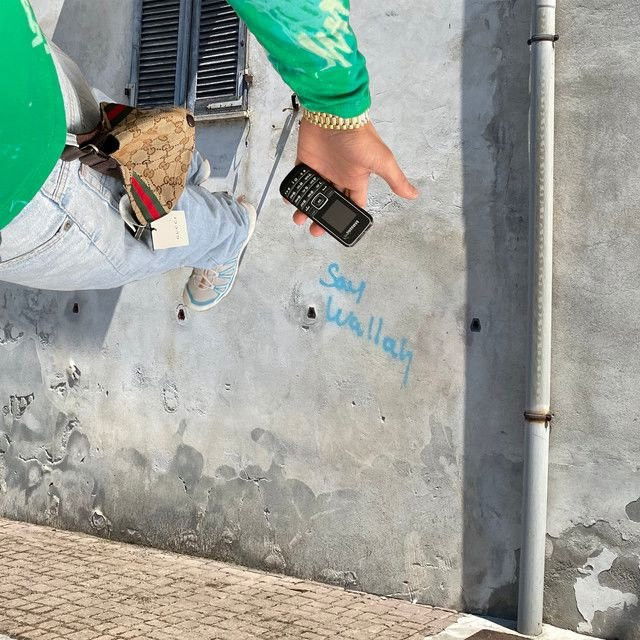
sportback by Pashanim: Speed as Survival
The meaning of sportback Pashanim comes into focus fast: this is a song about motion, image, and self-protection. Rather than telling a long story, it throws the listener into a compressed street world where status symbols, crew ties, and danger all move at the same speed.
"sportback" - Pashanim
(Yeah, Kevin made this beat, bih)
Hitt' ein Lick und bin sofort weg
Loading lyrics...
Unable to load lyrics
We're unable to display the lyrics at this time. Please try again later.
Pashanim, born Can David Bayram, is a Berlin rapper and filmmaker from Kreuzberg who broke through in 2020 and later built one of German rap’s strongest catalogs, including the EP Junge CEOs 2 and the chart-topping album 2000 (Wikipedia). That background matters, because sportback fits his larger style: cool delivery, vivid city details, and songs that feel filmed as much as written.
What the Song Is Really Chasing
At its core, sportback is about getting through a hostile environment by staying quick, loyal, and emotionally unreadable. The hook captures that whole mindset in a few sharp images. When they rap about hit a lick
and being gone right away, the point is not just crime language for shock value. It suggests a life where hesitation is dangerous and escape is part of survival.
The other big image is the car. The line about being picked up in a Sportback
turns the vehicle into more than a flex. It becomes a symbol of mobility, protection, and rank. In this song, the right car means they can disappear, stay ahead, and signal success at the same time.
Watch the official sportback
music video
Crew First, Always
A lot of the track’s meaning comes from group identity. They mention RB and present themselves as tightly linked, not isolated. When they say they are ganged up
, the phrase can sound threatening, but it also shows how much this world depends on alliances.
That matters because the song keeps contrasting real loyalty with fake friendship. One line says their own friends want to see them rich, while another says other people want the opposite. The idea is simple and harsh: support is rare, envy is common, and trust has to be earned.
A Voice Built on Refusal
The song’s narrator also defines themselves by what they refuse to do. The brief reference to not speaking with 110
—the police emergency number in Germany—fits a code of silence common in street rap. Factually, that is a genre convention, not proof of literal autobiography.
Interpretation: In this track, that refusal is less about plot than posture. It tells the listener that the speaker sees institutions as outside their world. Their safety comes from the crew, not from official systems.
How the Verses Build the Mood
The verses move like fast cuts in a short film. They jump from hanging out and smoking to drifting in a coupe, then to flipping bags from the backseat. That fragmented structure is important. It mirrors a life lived in bursts of adrenaline, where everyday boredom and real risk sit side by side.
The line about the first crate arriving at eighteen pushes the song closer to an origin detail. Even there, the writing stays cold and efficient. They do not stop to explain feelings. They just place one hard fact beside another and let the listener fill in the pressure behind it.
The Hook Turns Lifestyle Into Identity
The chorus repeats the same ideas with blunt force: action, escape, affiliation, and intimidation. The insult about someone’s outfit
may sound almost playful at first, but it helps define the song’s values. Appearances matter here because style is part of rank, and rank can affect how safe or vulnerable someone looks.
Interpretation: The hook is catchy because it reduces a whole worldview into a few gestures. Move fast. Stay with trusted people. Look strong. Do not explain yourself.
Why the Sound Fits the Message
Producer Kevin Kozicki is credited as a writer here, and the beat tag at the start makes the production feel like part of the song’s swagger. The instrumental is lean and percussive, with a trap backbone that leaves plenty of room for Pashanim’s detached delivery.
That matters because the performance is not overly dramatic. They rap in a calm, almost bored tone, which makes the threats and boasts land harder. The beat does not crowd the verses with melody. Instead, it creates a narrow lane for precision, like a night drive through empty streets.
Pashanim’s larger career also helps explain this. As a filmmaker who has directed or co-directed many visuals, including several of his own videos (Wikipedia), he often writes in quick visual fragments. sportback feels built from those same cinematic instincts: cars, backseats, street movement, and coded social rules.
A Berlin Rap Snapshot, Not a Diary Entry
Listeners in the United States may hear sportback as pure bravado, but it works better as a localized rap snapshot. Pashanim comes from Berlin’s Kreuzberg scene and helped found the collective Playboysmafia with Symba, Abuglitsch, and RB 030 (Wikipedia). That collective identity helps explain why the song sounds communal even when one person leads the verse.
The writing credits provided here—Can David Bayram, Kevin Kozicki, and Jacob Bauernfeind—also suggest a tightly shaped studio track rather than a loose freestyle. Still, the finished song keeps the roughness that makes it feel immediate.
Final Reading: Why sportback Hits
The meaning of sportback Pashanim is not hidden deep under metaphor. It lives on the surface: speed, suspicion, friendship, and status in a world where slowing down can cost too much. What gives the song weight is how cleanly it connects those ideas.
Interpretation: The car is the key symbol. It stands for escape, control, and arrival all at once. In that sense, sportback is less about luxury than about having a way out.
That is why the song sticks. It turns a short ride into a whole social code.
Disclaimer: Song meaning is always partly interpretive. This reading separates factual context from interpretation, and other listeners may hear different shades in the track.







