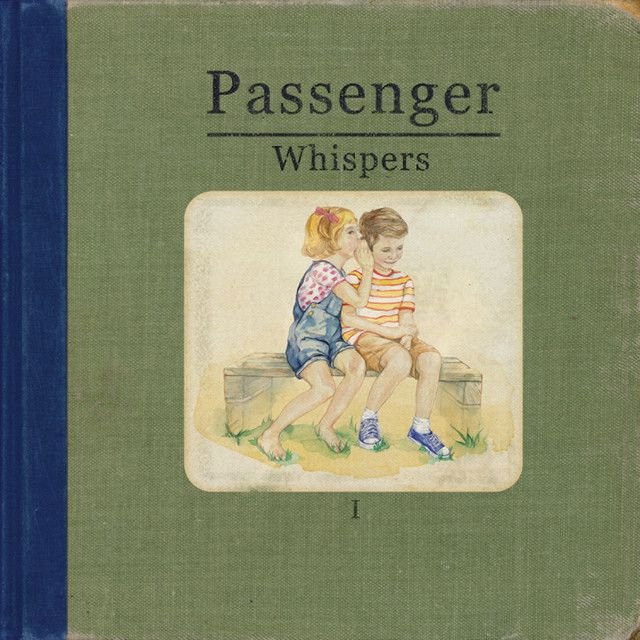
Golden Leaves by Passenger
Why This Song Hurts So Quietly
The meaning of Golden Leaves Passenger centers on a relationship that has lasted long enough to lose its shine, yet not its emotional grip. Michael David Rosenberg, the songwriter behind Passenger, is known for direct, human writing, and this song fits that strength well. It turns a private collapse into simple images that are easy to feel.
"Golden Leaves" - Passenger
Teeth were white and our skin was young
Eyes as bright as the Spanish Sun
Loading lyrics...
Unable to load lyrics
We're unable to display the lyrics at this time. Please try again later.
At its core, the song is about two people looking back on love after hope has faded. They remember youth, closeness, and honesty. Now they are stuck in a bond that feels weak, exposed, and hard to leave. The pain comes from that contradiction: they cannot live well together, but separation feels just as deadly.

Watch the official Golden Leaves
music video
The Heart of the Story
Passenger opens with memory. The couple once had bright bodies, clear eyes, and nothing to hide. That early picture matters because it creates a contrast with the present. The song does not describe a sudden breakup. Instead, it shows slow emotional erosion.
The key image is the title metaphor: two golden leaves
. In paraphrase, they are beautiful but fragile, still hanging on even as winter arrives. That makes the relationship feel both precious and doomed. Gold suggests value and warmth, while leaves suggest decay and the natural end of a season.
Interpretation: the song is not only about romance ending. It is also about how people cling to old versions of themselves. They remember who they were when the relationship began, and that memory keeps them attached.
How the Verses Build the Meaning
Each verse moves between then and now. In the first, there is youth and sunlight, followed by the colder image of winter trees and danger outside. The phrase sirens blare outside
widens the scene. Their problems are personal, but the world around them also sounds tense and unstable.
In the second verse, the song gets more blunt. What once felt playful now feels empty. Even an old joke has stopped being funny. That detail is small, but it says a lot. Shared language used to hold them together; now even their memories fail to comfort them.
Then comes one of the song’s strongest emotional turns: still smell of smoke
. The fire is gone, but its trace remains. In plain terms, the love has burned out, yet the damage and memory are still in the air. Passenger uses this image to show aftermath rather than drama.
Can't live with youbutdie without
This brief moment sums up the relationship’s trap. They are hurting each other, but they are also deeply dependent. That tension drives the entire song.
What the Chorus Really Asks
The chorus is built from questions. Instead of offering answers, it lists what has run out: words, sight, hope, and finally emotional strength. The repeated structure gives the song a circular feeling, as if the couple has had the same fight many times and reached the same dead end.
One important line asks what remains when every word's been spoken
. In paraphrase, they have talked so much that language no longer helps. This is not a communication problem in the simple sense. It is worse than that. They may understand the damage perfectly, but understanding does not heal it.
Interpretation: the tiny phrase “but sometimes” matters because it interrupts despair. It hints that even in wreckage, there are flashes of softness, memory, or desire. That unfinished thought keeps the song emotionally honest. Many broken relationships survive on those “sometimes” moments.
Passenger's Style Makes It Land
Passenger has built much of his career on acoustic, singer-songwriter storytelling, especially after the success of "Let Her Go". His official artist materials describe the project as led by Michael David Rosenberg, a British songwriter whose work often favors intimate arrangements and clear narrative writing (Passenger official site).
That matters here. “Golden Leaves” works because the writing is not crowded with fancy language. The melody and likely acoustic setting support the lyric’s fragile mood. In songs like this, soft guitar, a steady pulse, and an unforced vocal style can make emotional exhaustion feel more believable than a bigger production would.
Factual note: the song is credited to Michael David Rosenberg, as provided in the song information above. Interpretation: the stripped-back singer-songwriter approach mirrors the relationship itself. There is nowhere to hide, sonically or emotionally.
Symbols That Carry the Song
Autumn, Winter, and the End of Warmth
Leaves and winter are the song’s clearest symbols. Autumn is often linked to maturity, beauty, and decline at the same time. Here, the couple is no longer in spring. They are in the stage where love still has color, but the fall is already happening.
Smoke After Fire
The smoke image points to emotional residue. Even if the main passion has ended, its effects remain in the body and mind.
Broken Speech
The chorus treats language like something used up. Once every talk has happened, silence becomes its own kind of prison.
A Fair Reading of the Ending
The song does not clearly say whether the couple will stay together or split. That ambiguity is part of the meaning of Golden Leaves Passenger. Real relationships often do not end with one clean decision. They fade, return, and linger.
A second possible reading is that the song is about long-term love under pressure, not just collapse. The pair may still care deeply for each other, but the form of that love has changed into dependence, grief, and habit.
Final Take
“Golden Leaves” is a sad, sharp portrait of love in late season. It remembers the beauty of the beginning, but it refuses to pretend that memory can save the present. Passenger turns ordinary images into a moving picture of two people holding on after hope has worn thin.
That is why the song lingers: it understands that endings are not always loud. Sometimes they rustle, fade, and stay attached a little longer than they should.
Disclaimer: This interpretation is based on the released lyrics, songwriting context, and common critical reading. As with any song, listeners may hear different meanings in it.








