Why 'Me and Julio' Still Feels So Free
When people search for the meaning of Me and Julio Down by the Schoolyard Paul Simon, they usually start with one question: what did the boys actually do? The clever answer is that the song never says. That missing detail is not a flaw. It is the engine of the whole track.
"Me and Julio Down by the Schoolyard" - Paul Simon
And she ran to the police station
When the papa found out he began to shout
Loading lyrics...
Unable to load lyrics
We're unable to display the lyrics at this time. Please try again later.
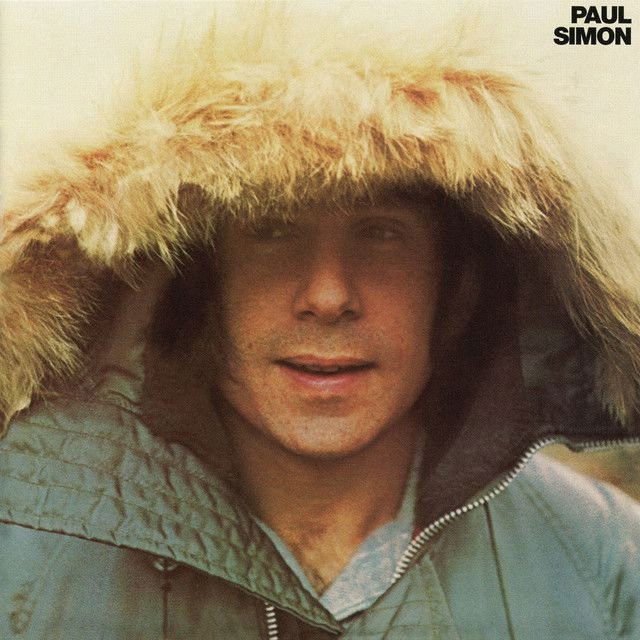
Released on Paul Simon’s self-titled 1972 album, the song arrived during his first major solo chapter after Simon & Garfunkel, a period documented in standard album references such as AllMusic and Britannica. Instead of giving listeners a clean plot, Simon built a comic little drama full of parents, police, gossip, and a sudden desire to run.
A Mystery That Matters More Because It Stays Unsolved
On the surface, the song opens like a neighborhood scandal. A mother sees something shocking, the father starts asking questions, and the authorities get involved. The repeated phrase against the law
makes the event sound serious, but Simon keeps the facts hidden.
That choice changes how the song works. Rather than becoming a crime story, it becomes a song about reaction. Adults panic. Institutions move in. The young narrator keeps drifting forward, almost detached from the noise around him.
Interpretation: the secrecy suggests that youthful rebellion can feel larger in memory than in fact. The real event may matter less than the way families and communities turn it into legend.

Watch the official Me and Julio Down by the Schoolyard
music video
The Chorus Turns Trouble Into Freedom
The emotional center is not the investigation. It is the movement. When the narrator says I'm on my way
and admits I don't know where I'm going
, the song shifts from scandal to escape.
That is why the track feels so light on its feet. They are hearing someone leave home without a map, pushed by trouble but also pulled by possibility. Even the line about taking time softens the panic. This is not a desperate chase song. It is a wandering song.
The title image, down by the schoolyard
, matters here too. A schoolyard is a place tied to childhood, rough play, rumor, and early identity. By returning to that setting, the chorus frames the whole incident as a memory of youth caught between innocence and rebellion.
A Story Told in Quick, Funny Snapshots
One reason the song endures is how efficiently it sketches a whole world. In a few lines, Simon gives listeners:
- A household in uproar.
- A law-breaking event that stays unnamed.
- A boy already halfway out the door.
- Media attention that blows the story up.
- A strangely heroic release.
The most famous comic twist comes when the story jumps from family drama to national attention. Suddenly, the narrator is not just in trouble; he is in a public spectacle. The mention of Newsweek makes the absurdity bigger. A private mess becomes a public myth.
Interpretation: this leap may satirize how American culture turns small rebellion into headline material. It also makes the song feel like folklore born in real time.
Rosie, Julio, and the New York Street-Corner Feel
Simon drops in one of the song’s most memorable names with Goodbye to Rosie
and the phrase queen of Corona. Corona is a neighborhood in Queens, New York, and that detail grounds the song in a specific urban texture. The song sounds local even when the plot is surreal.
Julio matters in a similar way. His name widens the song’s social world, suggesting a mixed neighborhood and a city full of overlapping identities. Simon never explains the friendship, but that is enough. Julio becomes part of the song’s easy street-level realism.
Interpretation: Rosie may be a real person, a neighborhood symbol, or simply a poetic goodbye to home. What matters is the feeling of departure. The narrator is leaving not just trouble but a place and a version of himself.
Why the Music Sounds Happier Than the Plot
A big part of the meaning comes from the arrangement. The record is bright, bouncy, and rhythmically relaxed, with acoustic guitar leading the way. That musical feel creates productive tension: the words describe scandal, but the sound suggests motion, charm, and mischief.
This contrast was central to Simon’s early solo work, which blended singer-songwriter craft with Latin and world-music textures, a direction noted in career overviews from sources like the Rock & Roll Hall of Fame. In this song, the groove keeps the story from becoming heavy. They are invited to smile at the chaos rather than fear it.
That is also why the hook lasts. The melody is loose and memorable, almost like a chant passed around the block. It feels communal, which fits a song about being seen, named, and talked about.
The Best Way to Read the Song
So what is the meaning of Me and Julio Down by the Schoolyard Paul Simon? Factually, it is a 1972 Paul Simon song built around an unexplained incident, a narrator on the move, and a chorus that turns gossip into legend.
Interpretation: emotionally, it is about how youth feels from the inside. Adults may define it as disobedience. The young person experiences it as motion, confusion, and freedom all at once.
That blend is why the song still works. It is funny, mysterious, and open-ended. Listeners never learn the offense, but they understand the feeling of wanting to keep walking anyway.
Disclaimer: This interpretation separates verified facts from informed reading. Because Paul Simon leaves the central act unclear, parts of the song remain intentionally open to listener interpretation.









