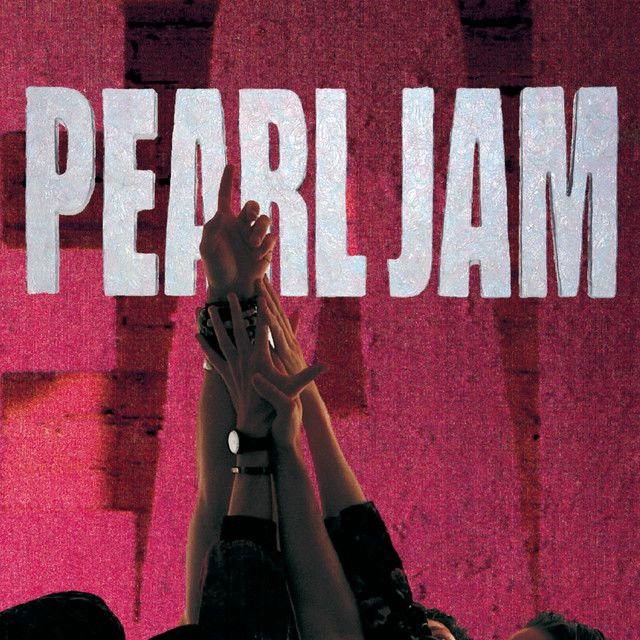
Porch by Pearl Jam: A Breaking Point in Plain Sight
The meaning of Porch Pearl Jam lies in its feeling of crisis: someone reaches out, loses footing, and realizes there may be no middle ground left.
"Porch" - Pearl Jam
Provided by LyricFindWhat the fuck is this world
Running to, you didn't
Leave a message, at least ILoading...Loading lyrics...
Unable to load lyrics
We're unable to display the lyrics at this time. Please try again later.
Why This Early Pearl Jam Song Still Hits Hard
Pearl Jam’s “Porch” is one of the most urgent songs on Ten, the band’s 1991 debut. According to Songfacts, Eddie Vedder wrote it while traveling from San Diego to meet the band for the first time, which makes its restless, in-between energy feel even more fitting.
That backstory matters because the song sounds like a threshold moment. It is full of motion, doubt, and emotional pressure. They present a speaker who seems caught between wanting connection and bracing for loss.
At its core, the song is less about a neat plot than a state of mind. The meaning of Porch Pearl Jam is best understood as a portrait of emotional fracture: a person is trying to make sense of abandonment, conflict, and the fear that one final chance to connect has already passed.
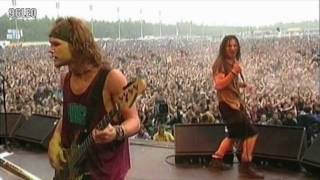
Watch the official Porch
music video
A Voice Caught Between Anger and Grief
The opening lines throw the listener straight into confusion and rage. When the song begins with What the fuck is this world
, it does not simply sound rebellious. It sounds shocked. They frame a speaker who feels betrayed by both a person and the larger world around them.
That pain quickly turns personal. The line about not even hearing someone’s voice one last time suggests unfinished business and emotional absence. This is not just a breakup song in the ordinary sense. It feels like a last attempt to process disappearance.
Interpretation: the repeated questions about whether the other person would strike back emotionally or physically can be heard as fear of confrontation, but also as a desperate test: do they still care enough to react at all?
What the Lyrics Seem to Show
The song unfolds in fragments, but those fragments connect clearly:
- The speaker feels abandoned and shut out.
- Everyday life becomes a
daily minefield
, where even normal existence feels dangerous. - Social and emotional balance starts to collapse, captured by
there ain't gonna be any middle
. - The speaker reaches outward, asking to be seen and accompanied.
That movement gives “Porch” its tension. The verses sound isolated and bitter, while the chorus reaches for closeness. When they sing Hold my hand, walk beside me
, the request is simple, but it lands hard because it comes after so much hostility and confusion.
The emotional logic is important: the song is not calm self-expression. It is someone trying to steady themselves before they fall apart.
The Porch as a Threshold Symbol
The title image is small but powerful. A porch is not fully inside or outside. It is a place of waiting, watching, hesitation, or departure. So when the lyric says left the porch
, it suggests crossing a line.
Interpretation: leaving the porch may mean leaving safety, leaving indecision, or leaving the role others assigned them. It can also imply stepping into truth, even when that truth hurts.
That idea connects with another striking image: the burden the speaker carries is not proof of where they belong. In plain terms, they reject the idea that suffering automatically defines identity. The song pushes back against labels, guilt, and imposed meaning.
Why “No Middle” Matters So Much
One of the song’s sharpest ideas is the claim that there is no middle anymore. That line can be heard in at least two ways.
First, it fits a relationship that has passed the point of compromise. There is no neutral space left, only hurt and consequence. Second, it hints at a bigger social feeling, where ordinary life becomes polarized and unstable.
That second reading gained attention because of Vedder’s public activism in 1992. As Songfacts notes, “Porch” became associated with his pro-choice stance after an MTV Unplugged performance where he wrote “Pro Choice” on his arm, and after a Saturday Night Live appearance where he added a brief statement supporting a woman’s right to choose. Still, the same source says it is not clear the song itself is specifically about abortion.
That distinction matters. Factually, the performances shaped reception. Interpretively, the lyrics remain open.
How the Music Carries the Meaning
“Porch” works because the band plays it like a nerve ending. The guitars churn rather than glide, and the rhythm section keeps pushing forward without offering much comfort. On Ten, that makes the song feel less reflective than eruptive.
Vedder’s vocal also matters. He does not sing these lines as polished confession. He strains, barks, and surges through them, which turns uncertainty into physical force.
According to Songfacts, the track was among the later songs completed for Ten during the band’s early 1991 sessions at London Bridge Studios in Seattle. Jeff Ament recalled in Uncut that the band wanted a local, comfortable recording process rather than an expensive one. That directness fits “Porch”: the production feels raw enough to keep the nerves exposed.
Why the Live Version Changed the Song’s Legacy
A big part of the song’s reputation comes from performance. Songfacts notes that “Porch” became a beloved live song, especially because its long instrumental section gave Vedder room to improvise and roam the stage.
That matters for meaning too. Live, the song often feels less like private grief and more like public release. The pain does not disappear, but it becomes communal. The audience hears someone on the edge, then turns that edge into energy.
The Best Way to Read “Porch”
The strongest reading is that “Porch” captures a moment when emotional, moral, and social stability all seem to crack at once. It is about wanting one last connection while realizing that some divide may already be final.
That is why the song still connects. It does not hand over a tidy message. Instead, it captures the instant when someone knows life cannot go back to what it was.
Interpretation disclaimer: Pearl Jam’s lyrics are often intentionally open-ended, so this reading explains the most supported meanings rather than a single confirmed answer from the band.







