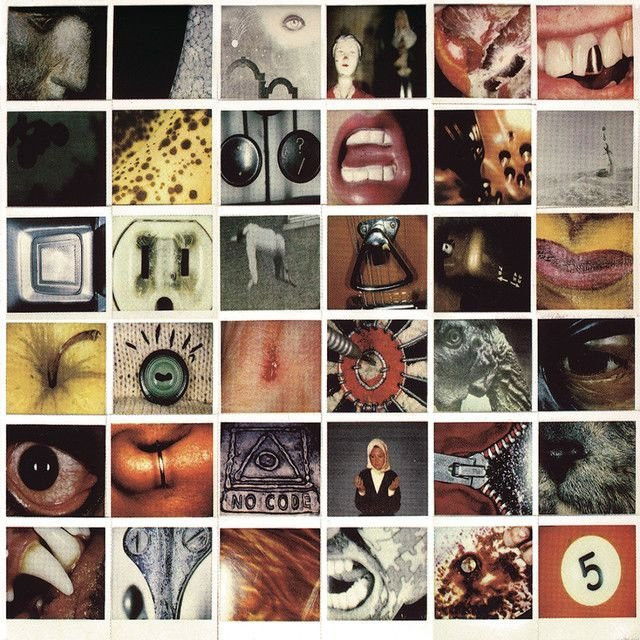
Smile by Pearl Jam
Why This Small Song Feels So Big
The meaning of Smile Pearl Jam comes from a simple but moving idea: people sometimes answer sadness with tenderness instead of denial. On the surface, the song sounds light and almost casual. But underneath that warmth, it holds loss, longing, and the effort to keep someone emotionally present even when they are gone or far away.
"Smile" - Pearl Jam
Don't it make you smile?
When the sun don't shine (it don't shine at all)
Loading lyrics...
Unable to load lyrics
We're unable to display the lyrics at this time. Please try again later.
Pearl Jam released “Smile” on No Code in 1996, an album often described as looser, more reflective, and more experimental than the band’s earlier work. According to the album credits documented by Discogs, the song was written by Eddie Vedder and Jeff Ament. That matters, because “Smile” has Ament’s melodic softness and Vedder’s emotional plainspokenness all over it.

Watch the official Smile
music video
The Core Meaning at the Center
At its heart, “Smile” is about missing someone while trying to keep love from turning into pure despair. The repeated question Don't it make you smile?
sounds cheerful at first, but in context it feels more complicated. They are not celebrating easy happiness. They are asking whether love can still produce a small, human glow even when life has gone dim.
That contrast becomes clearer with the image when the sun don't shine
. In plain terms, the world feels dark, joy is not obvious, and comfort is hard to reach. Yet the song still returns to the idea of smiling. Interpretation: Pearl Jam seem to frame the smile not as carefree pleasure, but as a survival reflex—an act of memory, affection, and resistance against emptiness.
Missing Someone Without Turning Away
The most direct lines in the song are about absence. The repeated phrase I miss you always
removes any mystery. This is a song of longing. But it is not dramatic in a loud way. Instead, it sounds intimate, like someone talking to a person who still shapes their day even in absence.
That feeling deepens with I miss you all day
. The emotion is not a passing wave. It lingers from morning to night. The song does not describe a breakup scene or a funeral or a reunion. It stays in the middle space, where memory keeps working on a person hour after hour.
I miss you already, yeah
I miss you always
Those lines are brief, but they carry the song’s emotional weight. They suggest a bond so strong that even the present already feels like loss. Interpretation: This can be heard as grief, distance, or even the fear of losing someone before they are fully gone.
A Chorus That Pushes Against Darkness
How the Refrain Changes the Mood
The chorus matters because it does more than repeat a catchy phrase. It sets up the song’s emotional paradox. They place a smile right next to darkness, not after darkness has ended. That makes the hook feel brave rather than naive.
In many songs, smiling means the pain is over. Here, smiling exists while the pain remains. That difference is the key to the meaning of Smile Pearl Jam. The song suggests that love can create brief light in bad weather, even if it cannot fix the weather itself.
There is also a subtle shift when the voice moves from asking if it makes “you” smile to asking if it makes “me” smile. That switch hints that the singer is trying to convince himself as much as anyone else. The song becomes a self-check: can memory still comfort him, or does it only hurt?
The Strange Image That Sticks
“Three Crooked Heart Swirls” Decoded
The phrase Three crooked heart swirls
is the song’s oddest image. It is abstract, childlike, and a little off-center. Because the hearts are “crooked,” the picture is not polished or perfect. Love here is handmade, messy, and human.
Interpretation: Those heart swirls may represent memory traces—little marks left behind by someone beloved. They could also suggest a doodle, a private symbol, or the way affection stays in the mind as fragments rather than clear stories. The image fits No Code well, since that album often chooses feeling and texture over neat narrative explanation.
How the Music Supports the Message
“Smile” is often remembered for its warmth. The arrangement has a rootsy, relaxed character, and live performances have highlighted its humble, communal feeling. Pearl Jam’s official site has long documented how the band’s catalog includes songs that shift away from heavy attack toward more open textures, and “Smile” is one of those examples.
The music does important emotional work. Instead of sounding crushed by grief, the song has a gentle sway. That keeps the lyrics from feeling hopeless. The performance suggests that remembering someone can hurt, but it can also hold gratitude.
Vedder’s vocal delivery is especially important. He does not oversing the lines. He sounds conversational, slightly worn, and sincere. That restraint makes the message stronger. Rather than turning pain into spectacle, Pearl Jam let it stay close to the chest.
Context Inside the No Code Era
By 1996, Pearl Jam were moving away from the role of arena-rock spokesmen and toward a more inward style. No Code captured that transition. The album mixed folk, garage rock, and reflective songwriting, and “Smile” fits that shift perfectly.
That context helps explain why the song feels modest but lasting. It is not trying to be a grand anthem. It works like a note passed between friends. For listeners, that intimacy is part of the song’s power.
Final Reading: Sadness With a Soft Edge
The best way to read “Smile” is as a song about carrying love through absence. Its central message is not that pain disappears. It is that memory can still produce warmth while pain remains.
That is why the song continues to connect. It understands a real emotional truth: people often smile not because everything is fine, but because someone mattered.
Disclaimer: This interpretation separates documented facts from informed reading. As with most Pearl Jam songs, some meaning remains open to each listener’s experience.








