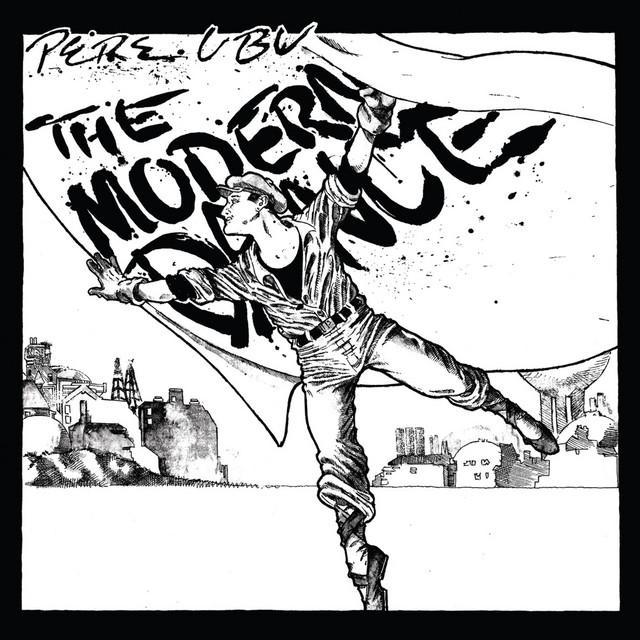
Modern Dance by Pere Ubu
Why This Strange Little Song Still Matters
When people search for the meaning of Modern Dance Pere Ubu, they usually hear the same thing first: it sounds nervous, jagged, and a little alien. That reaction is part of the point. Pere Ubu built the song to feel like modern life is moving fast while one person stands just outside it.
"Modern Dance" - Pere Ubu
Into the town
Our poor boy can't get around
Loading lyrics...
Unable to load lyrics
We're unable to display the lyrics at this time. Please try again later.
Released in 1977 as a single and then included on the 1978 debut album The Modern Dance, the track became one of the clearest statements of the band’s art-punk style. The album was not a big seller, but it earned strong reviews and later came to be seen as an important early post-punk record.
At its core, the song is about exclusion. A young man heads into town, chases connection, and still misses the moment. The repeated idea that he will never get the “modern dance” suggests more than a literal dance. It points to a code, a scene, a way of living, or even a whole era that he cannot quite enter.
Watch the official Modern Dance
music video
The Story: A Boy Who Misses the Beat
The lyrics tell a small, almost comic story, but the emotion under it is bleak. The song opens with movement: Down to the bus
, then into town, then toward a show. It sounds ordinary enough. But almost right away, the character becomes our poor boy
, which gives the scene pity and distance.
He is trying to arrive where life is happening, yet he is always a little late. A woman leaves early, and he'll never know
. That line matters because it turns the song into a pattern of near-misses. He is present physically, but not socially or emotionally.
A quick timeline of what happens
- He travels into town, likely seeking excitement or contact.
- He gets near a show or nightlife setting.
- Someone leaves before he connects with her.
- He watches and waits, but remains outside the action.
- The chorus confirms his fate: he cannot access the “modern dance.”
What “The Modern Dance” Really Means
Interpretation: The title phrase works like a symbol. It can mean a real dance, but it more strongly suggests the rules of contemporary life: fashion, romance, urban cool, and social instinct. The character believes he can leave things to luck, but the world around him seems to demand speed, awareness, and confidence.
That is why the line about him believes in chance
feels so important. Chance is passive. The city in this song is not passive at all. It moves, watches, shifts, and closes doors.
The refrain says he will never get the modern dance, and that word “get” does a lot of work. He does not understand it, cannot perform it, and cannot possess what it offers. In plain terms, the song captures the shame of feeling uncool before the word “uncool” became a lifestyle brand.
The Images of Watching and Being Shut Out
The second verse gets stranger and more paranoid. The song mentions an eye on the place
and someone watching shadows race. That imagery turns a social failure into something more anxious. This is no longer just about a missed date. It feels like a world of surveillance, speed, and hidden rules.
Watch real close
Look real fast
He is in touch,
but it will not last.
These lines suggest temporary access. He may catch a glimpse of what is happening, but he cannot stay inside it. The shadows move too quickly. The social scene becomes almost like a secret system that reveals itself only for a second.
Interpretation: This is one reason the song feels bigger than its plot. It can be heard as a portrait of modern alienation, where people are surrounded by activity but still feel locked out.
How the Sound Carries the Meaning
Pere Ubu’s music is essential to the song’s meaning. Facts help here. The band recorded material for The Modern Dance in Ohio, and producer/engineer Ken Hamann helped shape its sharp, close-miked sound. Allen Ravenstine’s synthesizer and field recordings were especially important; according to the album’s recording history, some of the sounds in the title track came from downtown Cleveland recordings.
That matters because the song does not simply describe urban unease. It seems to contain it. Ravenstine’s electronics feel less like melody than interference. The guitars twitch instead of settle. The rhythm pushes forward but never relaxes.
David Thomas’s vocal also helps define the meaning. He does not sing like a smooth narrator who understands the scene. He sounds worried, mocking, and wounded at once. That mixed tone keeps the song from becoming a simple joke about a loser. Instead, it becomes a human document of social panic.
Artist Context and Why Critics Heard Something New
Pere Ubu came from Cleveland, and their work often absorbed the city’s industrial tension and outsider energy. The Modern Dance was later praised as a landmark of art punk and post-punk, even though it was commercially unsuccessful at first. Reviewers at the time heard both harshness and excitement; Rolling Stone called the band vivid and exhilarating, while NME found their sound more approachable than its reputation suggested.
That context sharpens the song’s meaning. Pere Ubu were not writing a neat anthem about belonging. They were making music that sounded like misfit intelligence itself: awkward, inventive, and too alert to fake glamour.
Two Strong Readings of the Song
Interpretation 1: Social exclusion. The simplest reading is also the strongest. The song is about a person who cannot connect, cannot read the room, and cannot join the dance of modern youth culture.
Interpretation 2: A critique of modern life. The “modern dance” may also be the whole performance of modernity itself. In this view, the poor boy fails not because he is broken, but because the world around him is cold, coded, and absurd.
Both readings can be true at once, which is part of the song’s power.
The Lasting Meaning of Modern Dance Pere Ubu
The lasting meaning of Modern Dance Pere Ubu is not just that one boy misses one night. It is that modern culture often feels like a party with hidden instructions. Some people glide through it. Others stand at the door, trying to catch the pattern before it disappears.
Pere Ubu turned that feeling into sound: tense, funny, sad, and deeply original. That is why the song still lands. It understands how embarrassing and how universal it is to feel one step behind the age.
Disclaimer: This article offers informed interpretation based on the lyrics, recording context, and reception. Song meanings can remain open, and listeners may hear different truths in the track.







