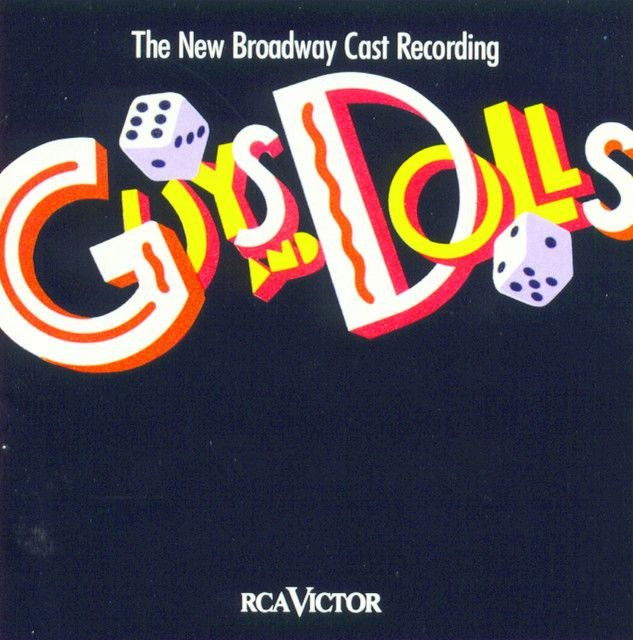
Why 'Luck Be a Lady' Turns Fear Into Swagger
For anyone searching for the meaning of Luck Be a Lady Peter Gallagher, Guys and Dolls Ensemble (1992), the key idea is simple: this is not just a cool gambling song. It is a prayer dressed up as confidence.
"Luck Be a Lady" - Peter Gallagher, Guys and Dolls Ensemble (1992)
But there is room for doubt
At times you have a very un-ladylike way of running out
Loading lyrics...
Unable to load lyrics
We're unable to display the lyrics at this time. Please try again later.
In Guys and Dolls, “Luck Be a Lady” is sung by Sky Masterson during a crucial Act II craps game. The number appears at the exact moment when chance, pride, and the plot all collide. The song was written by Frank Loesser for the 1950 musical, which became one of Broadway’s defining hits and later returned in the acclaimed 1992 revival starring Peter Gallagher as Sky (Guys and Dolls overview).
A Gambler’s Plea in Fancy Clothes
At the heart of the song, Sky personifies luck as a woman he is trying to charm, flatter, and pressure. He speaks to chance as if it can hear him and choose him. That is why the repeated hook, Luck, be a lady tonight
, matters so much. It sounds suave, but underneath it is pure uncertainty.
The song’s language is playful and polished. Sky talks about manners, loyalty, and proper behavior, but he is really begging for a winning roll. He wants order in a world built on randomness. By making luck into a “lady,” he gives chaos a face and tries to negotiate with it.
Interpretation: the song shows how gamblers often pretend they are in control, even when they know they are not. Sky’s style is part of his survival.
Watch the official Luck Be a Lady
music video
Why the Scene Matters So Much
“Luck Be a Lady” is not an isolated nightclub number. It is deeply tied to the story. In Act II, Sky makes a last-ditch bet with the crapshooters: if he wins, they must attend the mission. If he loses, they get cash. He wins, and the story moves toward reconciliation and moral change (plot context).
That dramatic setup explains the urgency in the lyric. When Sky refers to my life on this roll
, he is not being literal in every sense, but he is close. His reputation, his promise, and his romantic future are all on the line.
This is also why the song feels bigger than a normal gamble. It is about whether charm can beat chaos one more time.
Peter Gallagher’s 1992 Version Adds Human Tension
The 1992 Broadway revival opened on April 14, 1992, directed by Jerry Zaks, with Peter Gallagher as Sky Masterson, Nathan Lane as Nathan Detroit, Faith Prince as Adelaide, and Josie de Guzman as Sarah Brown (1992 revival details). The production ran 1,143 performances and won major awards, including Best Revival.
Gallagher’s performance matters because he balances elegance with strain. A lesser version of Sky can sound too slick, as if the bet is easy. Gallagher’s approach makes the song feel more exposed. They can hear the charm, but they can also sense the risk underneath it.
That balance fits the lyric perfectly. Phrases like give me the brush
and be a lady with me
are witty on the surface, yet they reveal a man who knows luck can leave at any moment.
How the Lyrics Build the Theme
The verses do clever work before the chorus ever lands. Sky starts by admitting doubt about luck’s reliability. Then he imagines luck as flirtatious, rude, and unpredictable. That comic idea lets the song say something serious: chance does not owe anyone fairness.
One of the sharpest images is some other guy's dice
. He describes luck as wandering away to favor someone else. In plain terms, he is saying that winning and losing can feel personal, even when they are random.
Another strong phrase is the party polite
. He wants the whole scene to stay controlled, civilized, and loyal. But the irony is obvious: a sewer craps game is not polite at all. Sky uses refined words to hold panic at bay.
Stick with me baby,
I'm the guy that you came in with
These lines are funny because he talks to luck like a date. But they also reveal his mindset. He is not simply asking to win. He is asking fate not to abandon him in public.
Sound, Staging, and Ensemble Power
The meaning also comes through in the music. The 1992 revival featured redesigned orchestrations by Michael Starobin, and that matters because the arrangement gives the song muscular momentum while keeping its Broadway polish (production notes).
The brass and rhythmic drive make Sky sound commanding, almost larger than life. Meanwhile, the ensemble response turns his private plea into a public ritual. Instead of one man quietly hoping, the number becomes a group ceremony around risk.
That contrast is important. The sound says confidence. The situation says vulnerability. Together, they create the song’s real tension.
The revival was praised widely; in The New York Times, Frank Rich called the production’s entertainment value a kind of “genius” (review excerpt). That response helps explain why this version remains a strong reference point: it honors the showmanship without losing the dramatic stakes.
The Deeper Meaning Behind the Cool Surface
So what is the meaning of Luck Be a Lady Peter Gallagher, Guys and Dolls Ensemble (1992)? It is about a person trying to speak confidence into existence when outcomes are beyond control.
On one level, the song is a gambler’s anthem. On another, it is about anyone who has ever tried to bargain with uncertainty. Sky dresses fear in tuxedo language. He turns anxiety into rhythm, style, and wit.
Interpretation: the song also lightly mocks masculine confidence. Sky sounds like a man giving orders, but he is actually pleading. That gap between appearance and truth is what makes the number enduring.
In the 1992 performance, Gallagher and the ensemble keep both sides alive: the swagger everyone remembers and the need that gives it meaning.
Disclaimer: This interpretation combines documented plot context with critical reading of lyrics, performance, and staging. As with any musical number, meanings can vary by listener and production.







